Easter, one of the most joyful and meaningful celebrations in the Christian calendar, is observed by millions of people around the world. In 2026, Easter Sunday falls on April 5, bringing with it a season of hope, renewal, and togetherness. From vibrant Easter egg decorations to festive meals and family gatherings, the occasion is filled with traditions that create lasting memories.
Across different countries and cultures, Easter is celebrated in unique and beautiful ways. While the essence of the festival, marking the resurrection of Jesus Christ, remains the same, each community adds its own customs, flavours, and rituals. Whether it’s grand church services, joyful egg hunts, or special holiday feasts, Easter continues to bring people closer, blending faith, culture, and celebration into one unforgettable experience.
Easter Symbols
Easter is filled with beautiful symbols, each carrying layers of meaning shaped by history, faith, and tradition. From playful figures to deeply spiritual elements, these symbols bring the story of Easter to life in a way that feels both joyful and meaningful.
One of the most popular and widely recognized symbols is the Easter Bunny. Especially loved in Western cultures, the bunny is associated with fertility and new beginnings, perfectly reflecting the spirit of spring. According to tradition, the Easter Bunny brings decorated eggs for children on Easter morning, adding a sense of excitement and wonder to the celebration.


Eggs themselves are among the oldest Easter traditions. Long before modern celebrations, they were seen as a symbol of new life and rebirth. Today, decorating eggs, whether with bright colours, intricate patterns, or turning them into chocolate treats, remains a cherished activity that blends tradition with creativity.
Modern Easter celebrations also include sweets shaped like eggs and bunnies, adding a fun and festive touch. At the same time, customs like Easter parades, where people dress in fresh, new outfits, carry a deeper meaning of renewal and fresh beginnings, echoing the essence of the season.
On the more spiritual side, certain symbols hold strong religious significance. The lamb, often part of a traditional Easter meal, represents Jesus Christ as the “Lamb of God,” symbolizing sacrifice, faith, and redemption. Similarly, Easter lilies, often seen decorating churches, stand for purity, hope, and the joy of resurrection.
Together, these symbols, from bunnies and eggs to lambs and lilies, beautifully blend ancient customs with Christian beliefs. They remind us that Easter is not just a celebration, but a meaningful reflection on renewal, hope, and the promise of new life.
Easter in the UK
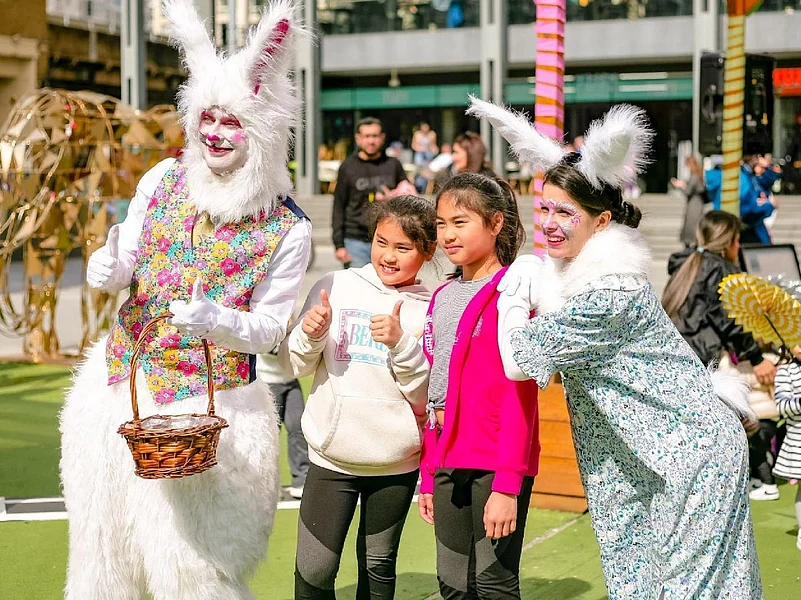
Easter in the UK is an age-old festival full of traditions that bring communities together. The modern custom of giving chocolate eggs actually began here in the 1800s! On Easter Sunday, families gather for a traditional roast dinner, often featuring lamb. A beloved British Easter treat is the Simnel Cake, a rich fruitcake topped with eleven marzipan balls representing the faithful apostles. Another staple is hot cross buns, traditionally eaten on Good Friday as a delicious, spiced sign that Lent is over and spring has finally arrived.
Children across the UK enjoy egg-and-spoon races, balancing decorated eggs on wooden spoons as they dash to the finish line. In regions like Preston and Scotland, the ancient tradition of "egg rolling", where hard-boiled eggs are rolled down grassy hills, remains a popular Easter Monday activity. The weekend is also marked by cheerful parades, children wearing homemade Easter bonnets, and traditional folk performances like Morris dancing, which add a wonderful touch of history to the celebrations.
Easter in Germany
The Easter holiday in Germany is celebrated with vibrantly painted eggs and the iconic chocolate bunnies known as Osterhase. These are not only tasty treats but are also part of an age-old tradition where parents hide eggs in gardens for children to hunt on Easter morning.
A deeply rooted German Easter symbol is the Easter lamb, representing Jesus Christ's sacrifice. This is most deliciously depicted in the Osterlamm, a traditional lamb-shaped sweet cake that graces tables during the holiday season. As dusk falls on Holy Saturday or Easter Sunday, communities unite to light massive Easter bonfires (Osterfeuer), an ancient ritual marking the end of winter and the arrival of springtime warmth. Another beautiful visual tradition is the Osterbaum, or Easter tree, where branches in homes and gardens are adorned with beautifully hollowed, colorful eggs. In northern regions, you might even witness the unique Osterrad (Easter Wheel), where a flaming wooden wheel is rolled downhill to predict the success of the upcoming harvest.
Easter in the USA
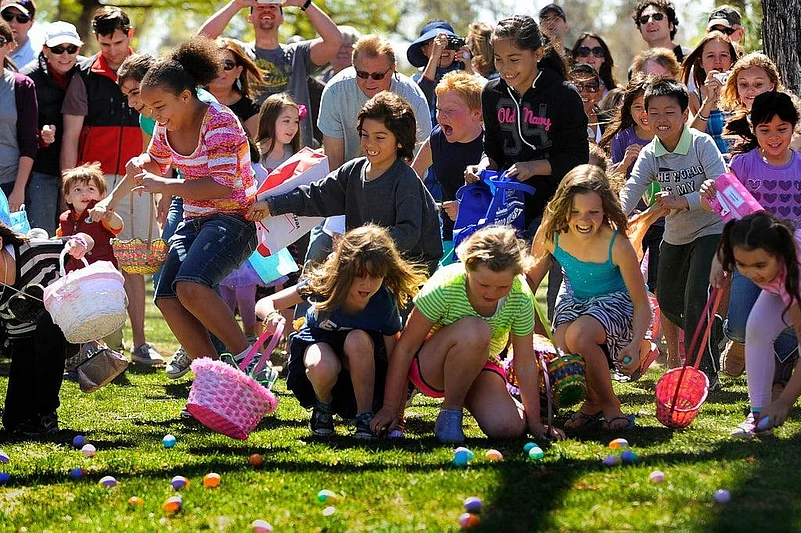
Easter in the US is a vibrant blend of religious reverence and joyful secular celebrations. Children wake up eagerly to search for plastic eggs filled with jellybeans and chocolates, hidden by the legendary Easter Bunny. In New York City, the famous Easter Parade and Bonnet Festival takes over Fifth Avenue, featuring participants wearing extravagant, custom-made hats and colorful spring outfits.
One of the most famous American traditions takes place in the nation's capital: the annual White House Easter Egg Roll. Hosted by the President on the South Lawn, children use long-handled spoons to roll dyed eggs through the grass. Alongside these festivities, millions of Americans attend sunrise church services to honor the religious significance of the day, before returning home for a grand Easter dinner, typically featuring baked ham, seasonal vegetables, and mashed potatoes to mark the joyful conclusion of the season.
Easter in India
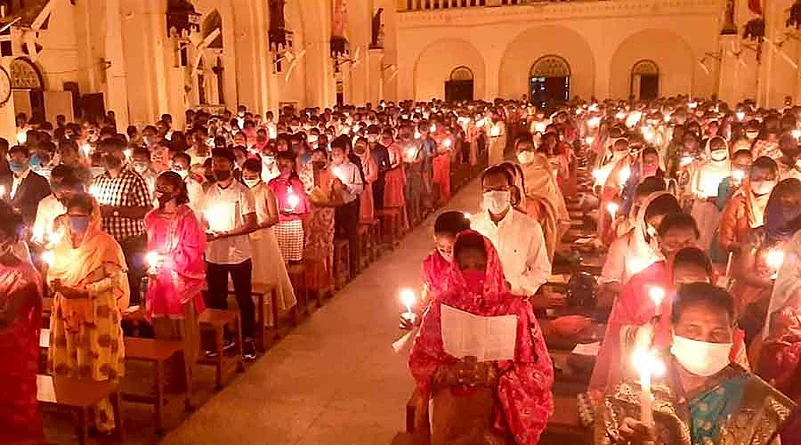
In India, Easter is a deeply spiritual and community-driven festival, celebrated with unique regional flavors. While chocolate bunnies and egg hunts are becoming popular in major metropolitan cities, traditional Indian Easter focuses heavily on church services and grand feasts. On Good Friday, an official day of mourning, churches remain darkened, and services often include the distribution of a bitter herbal drink made from leaves and vinegar to symbolize the suffering of Christ. Street processions depicting the Way of the Cross are common across the country.
Easter Sunday, however, is a massive celebration, particularly in states with large Christian populations like Goa and Kerala. In Goa, influenced by Portuguese history, the day is marked by midnight masses, grand street parades, and feasts featuring traditional dishes like Sorpotel and vindaloo. In Kerala, Syrian Christians break their 50-day Lenten fast with mouth-watering traditional meals of Appam (rice hoppers) and rich meat stews. Across the country, the exchange of colorful lanterns, blessings, and beautifully decorated homemade sweets showcases a beautiful fusion of Christian faith and Indian hospitality.
Easter is an internationally celebrated festival with tons of exciting traditions, from egg hunts to delicious foods! No matter which traditions are observed, all are united by their purpose: celebrate new life and spring! So grab your friends and family, and have an Easter filled with happiness and the rituals you enjoy most!
Frequently Asked Questions (FAQs)
1. How is Easter celebrated differently around the world?
While the core Christian message of resurrection remains the same, cultural celebrations vary widely. The US is famous for the Easter Bunny and egg rolls, Germany features Easter bonfires and egg-decorated trees (Osterbaum), the UK enjoys Simnel cake and egg-rolling down hills, and India celebrates with vibrant midnight vigils and regional feasts like Goan Sorpotel.
2. Why do we have Easter eggs and the Easter Bunny?
Eggs are an ancient symbol of new life and rebirth, perfectly aligning with the story of Jesus's resurrection and the arrival of spring. The Easter Bunny (Osterhase) originated in Germany as a folklore figure who judged whether children had been good, rewarding them with colored eggs.
3. What is the traditional Easter food in the UK and USA?
In the UK, traditional Easter foods include Roast Lamb, hot cross buns (eaten on Good Friday), and Simnel cake. In the USA, the traditional Easter dinner usually centers around a baked ham served with spring vegetables and potatoes.
4. Do people celebrate Easter in India?
Yes! India has a vibrant Christian population, particularly in states like Goa, Kerala, and the North-Eastern states. Easter is celebrated with solemn Good Friday processions, joyous midnight church services on Saturday, and grand family feasts featuring local delicacies on Easter Sunday.