Born in Houston in 1969, Wes Anderson emerged from American independent cinema in the 1990s and developed a signature style marked by symmetry, colour and literary framing.
A frequent collaborator with actors like Bill Murray and Owen Wilson, he built a distinct filmography that bridges arthouse sensibilities with mainstream appeal.
This listicle revisits his most loved films that endure due to cultural influence and a visual identity that remains instantly recognisable.
In 2023, director Wes Anderson was impossible to miss. His filmmaking style suddenly seemed to take over Instagram and TikTok, with users recreating his pastel colour schemes, symmetrical frames and deadpan performances attempting to capture his distinct visual grammar. Everyday spaces were reframed to resemble his cinematic universe—even India jumped on the bandwagon, with posts featuring Fort Kochi, Delhi’s Lodhi Colony and Mumbai’s CSMT station. What began as a fleeting visual trend pointed to a style so distinct and enduring that it managed to embed itself deeply into popular culture. Beyond the trend-driven algorithm and its appetite for replication lies a far more textured body of work that continues to draw viewers back into its carefully orchestrated worlds.
Anderson is known to build entire ecosystems that are often eccentric and carry a quiet ache beneath their surface order—like a doll-house with a pulse. On the occasion of his 56th birthday on May 1, 2026, this listicle revisits his best loved films in no order of ranking:
1. The Grand Budapest Hotel (2014)
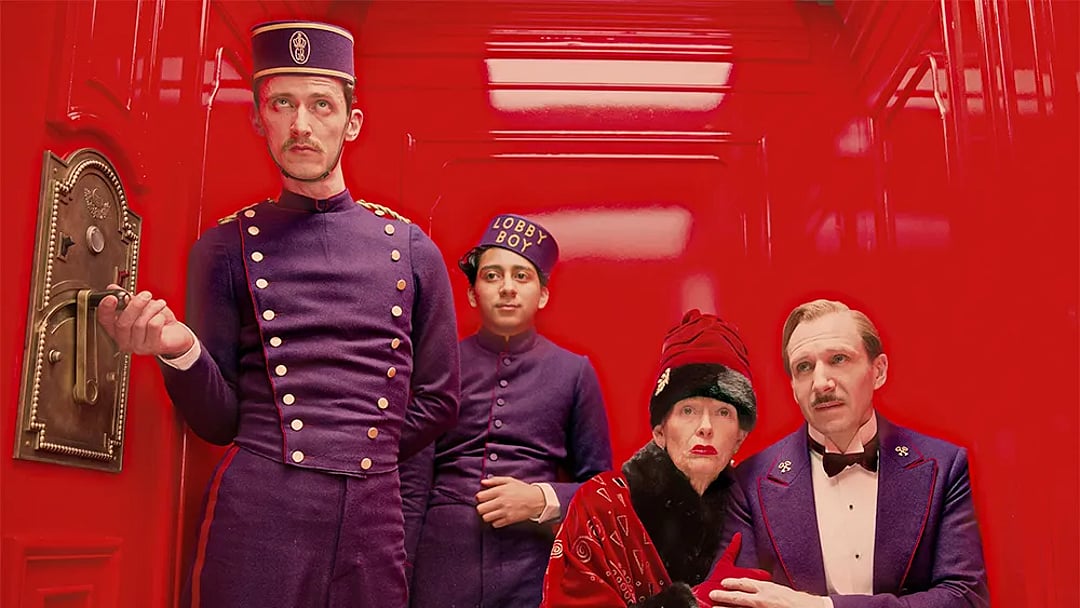

Headlined by Ralph Fiennes with a sprawling ensemble that includes Saoirse Ronan and Adrien Brody, the film is set inside a once-grand European hotel. The film follows a meticulous concierge and his young protégé as they get pulled into a swirl of theft, inheritance and political upheaval. The film’s brisk pacing and visual appeal made it unusually accessible for Anderson’s newer audiences, earning both awards traction and a wide appeal. Its pastel symmetry became instantly recognisable across film discourse and meme-culture alike.
2. Moonrise Kingdom (2012)
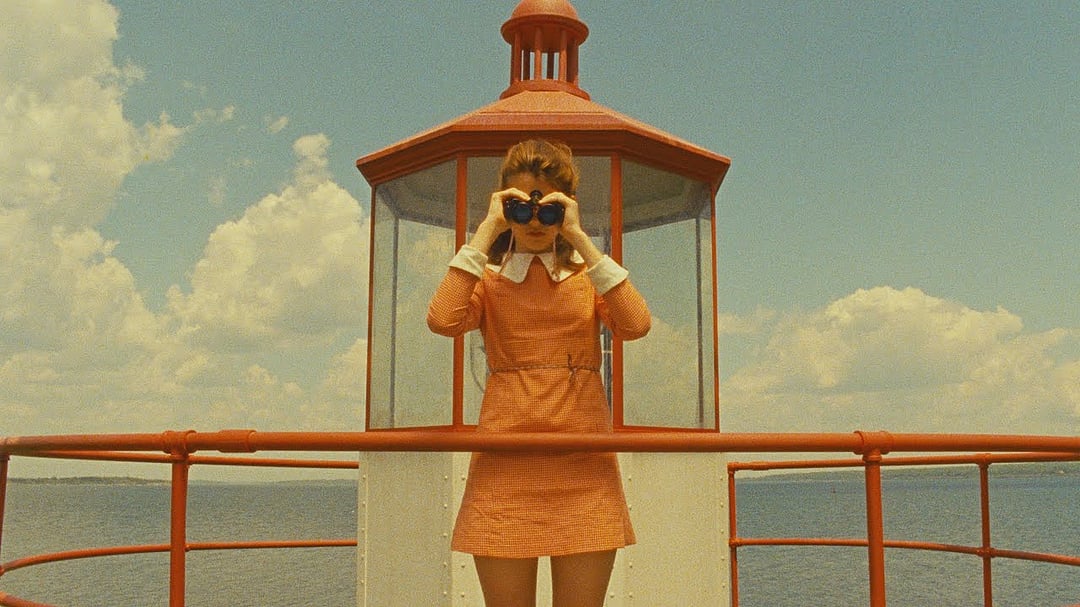
With newcomers Jared Gilman and Kara Hayward alongside Bruce Willis and Frances McDormand, the film charts the elopement of two children on a New England island. Their disappearance sparks a search that reveals the quiet disarray of the adult world around them. It resonated widely for its tender handling of young love without condescension. The film’s imagery—scout uniforms, stormy coastlines—quickly became part of Anderson’s most circulated visual signatures.
3. The Royal Tenenbaums (2001)

Anchored by Gene Hackman, Luke Wilson, Gwyneth Paltrow and Ben Stiller, this story of a fractured family of former prodigies returning home struck a chord with audiences beyond the arthouse circuit. Its blend of melancholy and deadpan humour felt fresh at the time and has aged with surprising durability. The film helped cement Anderson’s reputation as a distinct voice in American cinema. Margot Tenenbaum’s aesthetic alone has inspired years of cultural imitation.
4. Rushmore (1998)

Starring Jason Schwartzman in his debut alongside Bill Murray and Olivia Williams, the film follows Max Fischer, an overambitious teenager navigating life at an elite school. His fixation on a teacher and rivalry with a disillusioned businessman drives the story into increasingly messy territory. It stands out as an early distillation of Wes Anderson’s world—eccentric characters, emotional restraint and a carefully staged sense of humour. Schwartzman’s performance became instantly defining, while Murray’s role marked a turning point in his career, reshaping his screen persona.
5. Fantastic Mr. Fox (2009)
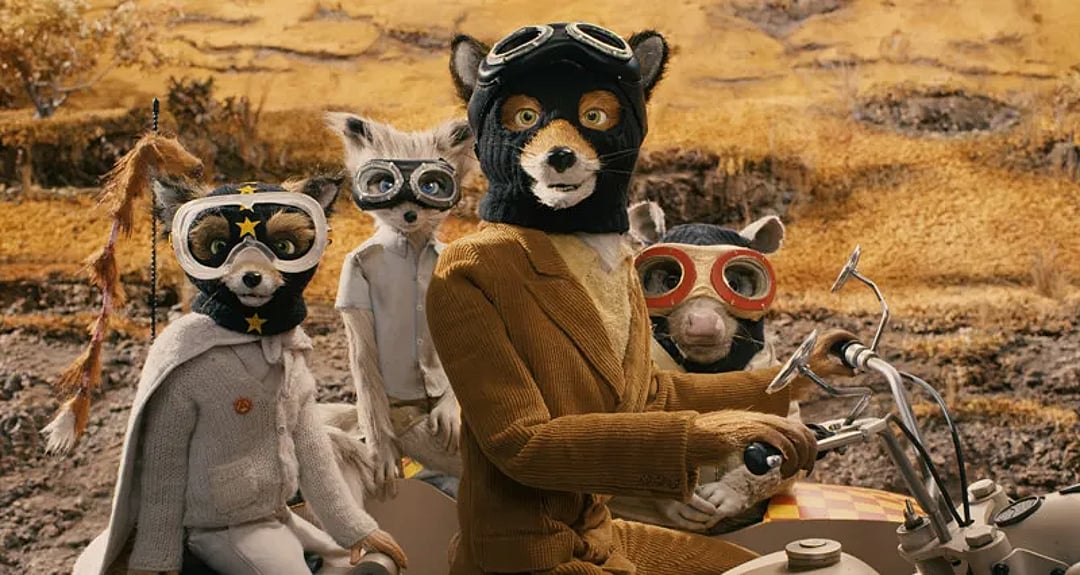
Featuring the voices of George Clooney and Meryl Streep, this animated film adapts Roald Dahl’s storytelling into a detailed and tactile world. The story centres on a cunning fox, llwhose return to thievery disrupts both his family life and the farmers he antagonises. Its handcrafted stop-motion aesthetic distinguished it from slick digital animation dominating the era. Over time, it built a strong following among younger viewers and adults who appreciated its dry wit.