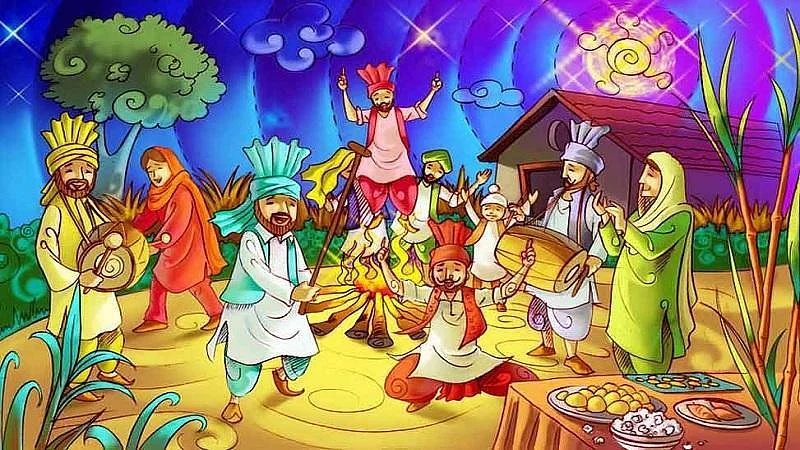

As winter slowly loosens its grip over North India, the festival of Lohri arrives as a joyful marker of seasonal change. Celebrated every year on January 13, Lohri signals the end of the coldest days and the beginning of longer, brighter ones. Widely observed in Punjab, Haryana, Himachal Pradesh, and parts of Delhi, the festival is deeply rooted in agrarian life, gratitude, and community spirit. While today Lohri is known for bonfires, folk dances, and festive food, its deeper meaning is tied to history and folklore, especially the enduring legend of Dulla Bhatti, a Punjabi folk hero whose story continues to shape the cultural soul of the festival.
A Festival Rooted in the Land
Lohri is closely linked to the rabi crop cycle, particularly wheat and sugarcane. For farming communities, it marks a pause, a moment to thank nature for sustaining life and to pray for a good harvest ahead. The festival coincides with the sun’s movement towards the northern hemisphere, symbolising warmth, renewal, and hope.
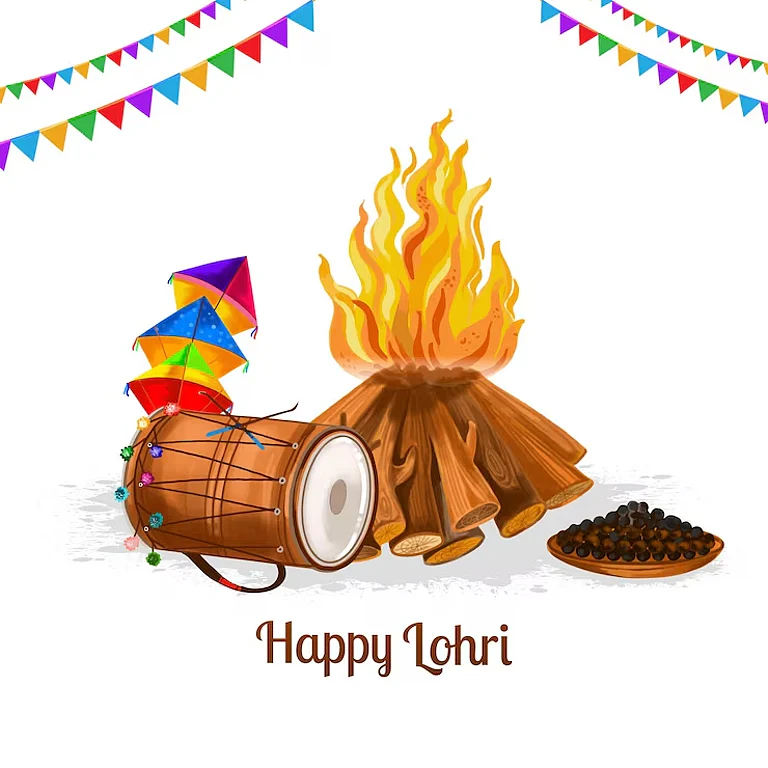
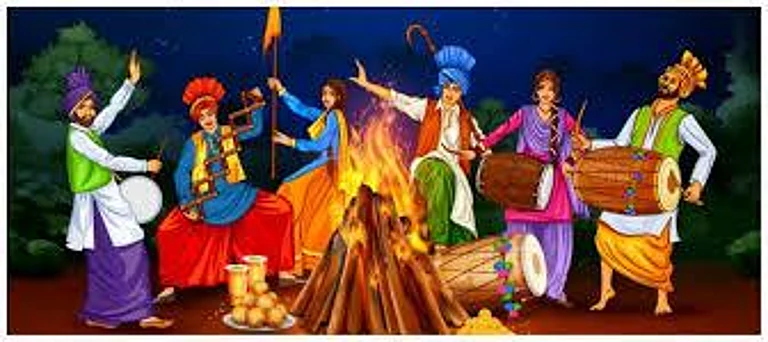
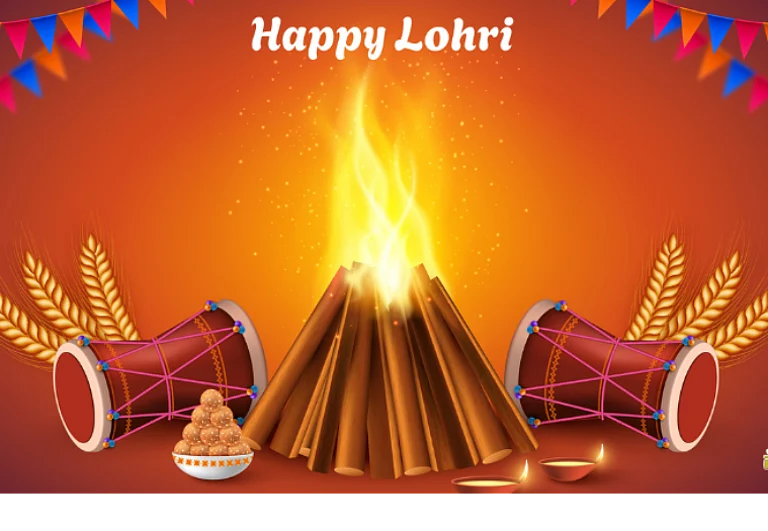
On Lohri night, families and neighbours gather around a bonfire, which forms the heart of the celebration. Traditional offerings such as sesame seeds, jaggery, peanuts, popcorn, and sweets are shared and symbolically offered to the fire. These foods are not chosen at random; they reflect winter crops and ingredients that provide warmth and energy during the cold season. The bonfire itself represents light overcoming darkness and unity in community life.

Who Was Dulla Bhatti?
Beyond agricultural celebration, Lohri carries a powerful human story, that of Dulla Bhatti, often described as the Robin Hood of Punjab. His real name is believed to have been Rai Abdullah Khan Bhatti, and he lived during the late 16th century, around the time of Mughal Emperor Akbar.
Dulla Bhatti is remembered not through official historical records but through oral traditions, folk songs, and storytelling passed down generations. According to Punjabi folklore, he belonged to a lineage of local chiefs who resisted Mughal authority, particularly opposing unfair taxation and land revenue policies that burdened farmers and common people.
He is portrayed as a man who stood up for justice, challenged oppression, and protected the dignity of ordinary villagers. Though labelled an outlaw by the Mughal administration, he became a hero in popular memory because of his courage and compassion.
The Story of Sundri and Mundri
The most widely known tale associated with Dulla Bhatti, and the one most closely tied to Lohri, is his protection of two young girls, Sundri and Mundri. According to folklore, the girls were from poor families and faced the threat of being forcibly taken or sold during a time when women were particularly vulnerable.
Dulla Bhatti intervened, rescued them from danger, and took responsibility for their safety. He later arranged their marriages, acting as their guardian when no one else could. Since he did not have the means to provide lavish gifts, it is said that he gave them what he could and ensured their honour and dignity were protected.
This act of kindness transformed Dulla Bhatti into a symbol of social justice, moral courage, and community responsibility. Over time, his story became inseparable from Lohri celebrations, especially as the festival itself centres on togetherness and shared values.
Why Dulla Bhatti Is Remembered During Lohri
Lohri is not just about celebrating nature; it is also about celebrating people who uphold human values. Dulla Bhatti’s legend fits naturally into this framework.
First, he represents resistance against injustice, a reminder that standing up for what is right is a form of strength. Second, his story cuts across religious and social lines. Though Lohri is today celebrated by people of various faiths, Dulla Bhatti’s legacy belongs to everyone, reflecting Punjab’s shared cultural heritage. Third, his actions highlight the importance of protecting the vulnerable, especially women, which gives the festival a moral depth beyond ritual.
By remembering him, Lohri becomes more than a seasonal event. It turns into a celebration of character, courage, and compassion.
Bonfires and Community Bonding
The Lohri bonfire is more than a ritual flame. It is a gathering point where differences dissolve and community bonds are renewed. Singing, dancing, laughter, and shared food bring people together, reinforcing a sense of belonging. The warmth of the fire mirrors the warmth of human connection, which is at the heart of the festival.
In modern times, Lohri is also celebrated to mark new beginnings — such as the birth of a child or a newly married couple’s first winter. This reinforces the festival’s association with life, continuity, and hope.
The Enduring Spirit of Lohri
While urbanisation and modern lifestyles have changed how festivals are celebrated, Lohri has retained its essence. Whether in villages or cities, its message remains the same: gratitude for nature, respect for tradition, and remembrance of stories that shape collective identity.
Through the legend of Dulla Bhatti, Lohri preserves a narrative of resistance, kindness, and community responsibility. His story reminds us that festivals are not just about rituals and celebrations, they are also about the values we choose to carry forward.
Lohri stands at the crossroads of nature, history, and human values. It celebrates the harvest, welcomes the changing season, and honours a folk hero whose story continues to inspire generations. The untold story of Dulla Bhatti adds depth and meaning to the festival, turning a night of fire and festivity into a living reminder of courage, compassion, and shared cultural memory. As bonfires glow each year, they light not only the winter sky but also the enduring spirit of a community bound by tradition and hope.
Frequently Asked Questions (FAQs)
Q1: Was Dulla Bhatti a real person?
A: Yes, Dulla Bhatti (Rai Abdullah Khan Bhatti) is considered a historical figure who led a rebellion against the Mughal Empire in Punjab during the 16th century. While he was branded an outlaw by the Mughals, he became a celebrated hero in Punjabi folklore for his acts of defiance and social justice.
Q2: Why is a Muslim folk hero celebrated during a largely Hindu and Sikh festival?
A: The legend of Dulla Bhatti predates the rigid religious lines of later centuries and is part of a shared, composite Punjabi culture. His story is celebrated for its universal human values: courage, justice, and protecting the vulnerable, which resonate across all communities in the region.
Q3: What is the main message of the Dulla Bhatti story in Lohri?
A: The main message is that a festival is not just about rituals, but also about the values a community upholds. The Dulla Bhatti story infuses Lohri with themes of social responsibility, courage, and the importance of protecting the dignity of women, making it a celebration of both harvest and humanity.