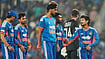
FIFA's first-ever half-time show has divided football fans worldwide
The match is still expected to outshine the entertainment spectacle
Is the controversy bigger than the show itself
For 96 years, the FIFA World Cup final has needed only one thing to command the world's attention, football. From Pele to Maradona, Zidane to Iniesta, Messi to Mbappe, the game's greatest moments have happened without fireworks, celebrity cameos or chart-topping pop stars interrupting the action.
Yet as Spain and Argentina prepare to contest the 2026 FIFA World Cup final in New York New Jersey Stadium, another event is about to take place, the 'half-time show'. However, the debates have been happening about whether football's biggest match really needs a Super Bowl-style half-time show.
Traditionalists see it as an unnecessary attempt to "Americanise" the world's most popular sport, while FIFA insists it is simply another way to celebrate football's global reach and support a charitable cause. Somewhere between those two viewpoints lies a more interesting question: are we making much ado about nothing?
Football has survived bigger changes than this
The outrage surrounding the first-ever FIFA World Cup final half-time show has been loud. Critics argue that extending the break disrupts the rhythm of the biggest game in football, while many supporters fear it shifts the focus away from the players and towards celebrity culture. Even musicians have weighed in, with The Cure's Robert Smith publicly blasting the idea days before the final.


Those concerns are understandable.
Football has always prided itself on simplicity. Two halves. Fifteen minutes in between. No elaborate productions in the middle of the contest.
But football has also never stood still.
VAR was once labelled the death of spontaneity. Expanded World Cups were criticised before a ball had been kicked. Goal-line technology, five substitutions and cooling breaks all faced resistance before gradually becoming accepted parts of the sport.
The half-time show may not follow the same path, but history suggests football often adapts far more easily than its fans initially expect.
The match remains the main event
One argument has been repeated more than any other: the half-time show will overshadow the World Cup final.
Will it?
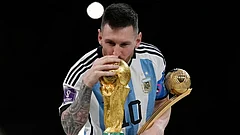
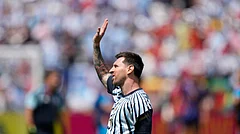
It is difficult to imagine Madonna, Shakira, BTS or Justin Bieber becoming a bigger story than Lionel Messi chasing another world title or Spain attempting to lift football's biggest prize. FIFA has assembled an extraordinary lineup, curated by Coldplay's Chris Martin and produced alongside Global Citizen, with the stated aim of celebrating football while raising money for children's education projects around the world.
The performances are expected to last only a few minutes each, with organisers carefully planning stage installation and removal to protect the playing surface. Even with the interval expected to be longer than a traditional 15-minute break, the football itself still occupies almost the entire global broadcast.
When the referee blows for the second half, nobody will be talking about choreography if Spain are chasing a goal or Argentina are defending a narrow lead.
Football has a remarkable ability to reclaim the spotlight.
Why the backlash feels bigger than the show itself
Perhaps the strongest criticism has less to do with music and more to do with symbolism.
For many supporters, the half-time show represents FIFA drifting towards an entertainment-first model borrowed from American sport. The Super Bowl has long blended football with pop culture. The FIFA World Cup, many argue, never needed to.
That emotional response explains why the debate has become so heated.
Social media has amplified every announcement, every artist and every rumour about the show's duration. Concerns over commercialisation have often overshadowed discussions about the football itself. Television broadcasters have reportedly sought clarity over the length of the interval because of scheduling and advertising implications, adding another layer to the controversy.
Yet the intensity of the debate may end up exceeding the significance of the event.
After all, the performance lasts minutes. The World Cup lasts a month.
The memories fans carry for decades almost always come from what happens with the ball, not what happens around it.
If nobody remembers it next week, that may prove FIFA right
There is another possibility rarely discussed.
What if the half-time show is... fine?
If Spain and Argentina produce a classic final, the show will almost certainly become a footnote. If the match disappoints, critics will inevitably blame the entertainment, whether fairly or not.
That is the impossible position FIFA has placed itself in.
A spectacular performance cannot win over football purists on its own. Only the game can do that.
Ironically, the best outcome for FIFA's grand experiment may be if viewers barely remember it once the trophy is lifted.
Because if fans spend Monday debating goals, tactics, refereeing decisions and history instead of celebrity performances, the sport itself will have achieved exactly what it always does.
It will remain bigger than everything built around it. And perhaps that is why this entire debate feels like much ado about nothing.
The FIFA World Cup 2026 has survived wars, political controversies, format changes, technology revolutions and endless arguments over how football should evolve. A musical performance during the interval is unlikely to redefine the sport.
When the whistle blows, 22 players will decide the legacy of the 2026 FIFA World Cup. The singers, however famous, are simply passing through.