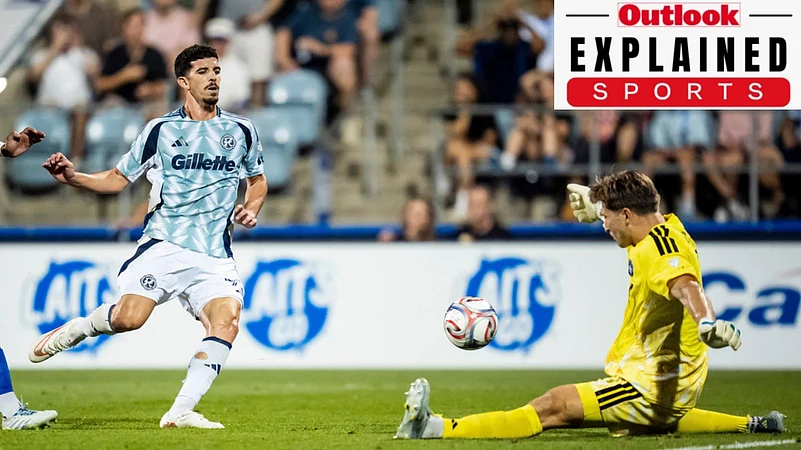
MLS is investigating alleged antisemitic language directed at New England Revolution striker Dor Turgeman
Stadium tribalism, crowd anonymity, and systemic prejudice often combine to turn athletic arenas into venues for targeted bigotry
Combating this persistent issue requires sports organizations to move beyond reactive bans
Major League Soccer (MLS), the top-flight football league in the United States, is investigating reports of antisemitic and discriminatory language directed at New England Revolution striker Dor Turgeman during a recent match against CF Montreal.
This incident once again highlights a persistent issue within global sports, where the passion of the stadium can quickly curdle into targeted bigotry.
And to understand why this happens, it is necessary to examine what antisemitism is, how it manifests in modern athletic arenas, and why sports culture remains a frequent vector for hate.
Understanding Antisemitism
Antisemitism is a structured form of prejudice, hostility, or discrimination directed against Jewish people simply because they are Jewish.
Unlike many forms of racial or religious bigotry that rely on concepts of inferiority, antisemitism often operates through conspiracy theories. It frequently accuses Jewish people of holding excessive, hidden power or manipulating global events, financial systems, and media.
This form of hatred is ancient, reared across centuries from religious persecution in the Middle Ages to pseudoscientific racial theories in the twentieth century.



In the modern era, it often blends old stereotypes with geopolitical tensions, resulting in situations where Jewish athletes are targeted not for their actions on the field, but as proxies for global political conflicts.
A Mirror To Broad Systemic Prejudice
The toxic behaviour witnessed in stadium stands is rarely isolated to a single form of prejudice, as antisemitism exists alongside deep-rooted patterns of racism, sexism, homophobia, and transphobia that continue to plague global sports.
Black and minority ethnic athletes regularly endure monkey chants, racist social media abuse, and structural barriers to leadership, while female athletes face pervasive systemic sexism, unequal pay, and rampant sexual harassment.
Additionally, homophobic slurs largely remain a normalised tool for intimidation in many fan cultures, creating a hostile environment for LGBTQ+ players and spectators alike.
By viewing these incidents not as isolated outbursts but as interconnected symptoms of systemic bigotry, it becomes clear that sports stadiums often mirror the broader power imbalances and prejudices of society.
The Stadium As An Amplifier For Bigotry
Sports stadiums possess a unique social dynamic that can unfortunately foster discriminatory behaviour.
The intense tribalism inherent in supporting a team creates a powerful "us versus them" mentality. In the heat of competition, the overriding desire to unnerve, distract, or demean the opponent can cause some fans to cross ethical lines. These fans reached for the most hurtful insults available, without any hesitation.
Furthermore, the anonymity provided by a crowd of thousands creates a psychological phenomenon known as deindividuation.
Individuals inside a large group often feel a reduced sense of personal accountability. They believe their personal voices blend into the collective roar, making them bolder in shouting slurs and spewing venom that they would never utter in their daily professional or personal lives.
Sadly, these spaces, intended to unite fans through sporting excellence, are instead turned into battlegrounds for human dignity.
Modern Precedents In Global Sports
The incident involving Dor Turgeman, the 22-year-old forward from Ashdod, is part of a broader, documented pattern of antisemitism across various sports leagues and events worldwide, including the Olympic Games --
European football has struggled with this issue for decades. In England, London clubs like Tottenham Hotspur and Chelsea have frequently had to address antisemitic chanting from rival fan bases. In Italy and Serie A, groups of extreme fans, known as ultras, have occasionally displayed fascist symbols and directed antisemitic jeers toward rival teams.
But the problem is not contained to stadium stands. It also extends to high-profile figures within sports.
European football players have faced fines and bans for using discriminatory gestures or posting harmful rhetoric online. These instances show that the 'larger infrastructure of sports' often reflects and amplifies the broader cultural prejudices present in society.
Beyond football, a prominent example occurred when basketball star Kyrie Irving faced suspension after promoting a film containing antisemitic tropes on social media.
The Digital Frontier
The rise of social media has expanded the arena of abuse beyond the stadium walls.
Athletes now face a barrage of direct, identity-based harassment on their personal digital profiles after a poor performance or a controversial match.
This digital anonymity makes enforcement difficult, as international tech platforms and sports bodies struggle to find solutions, let alone impose effective penalties.
Combating this trend requires sports organisations to move beyond reactive investigations. Identifying and banning specific abusive fans is a necessary step, but it will not address the root causes of discrimination.
Global sports will need long-term change.