China has urged India to curb media organisations it alleges are linked to Falun Gong and Tibetan groups ahead of President Xi Jinping's expected visit
Beijing says India should prevent activities by groups it considers hostile to China's sovereignty and territorial integrity
The request adds another sensitive issue to India-China diplomacy as both sides prepare for the BRICS Summit and seek to stabilise bilateral ties
China has urged India to take action against media organisations it alleges are linked to the banned spiritual movement Falun Gong and Tibetan groups ahead of President Xi Jinping's expected visit to India for the BRICS Summit.
The request was conveyed by the Chinese Embassy in New Delhi through diplomatic channels and public statements, with Beijing arguing that organisations associated with what it calls "anti-China separatist forces" should not be allowed to use Indian territory to carry out activities directed against China, ThePrint reported.
The development comes as New Delhi and Beijing prepare for Xi's first visit to India in years, with both sides attempting to stabilise ties following the prolonged military standoff along the Line of Actual Control (LAC).

China's Position
Responding to questions on reports related to Xi's visit, Chinese Foreign Ministry spokesperson Guo Jiakun said China firmly opposes any activities by "Taiwan independence", Tibetan separatist or Falun Gong-linked groups that undermine China's sovereignty and territorial integrity.



According to the Chinese Foreign Ministry, Beijing expects India to honour its commitments on issues concerning China's "core interests" and handle such matters prudently to ensure the smooth development of bilateral ties.
The Chinese Embassy has also reiterated that the "one-China principle" forms the political foundation of China-India relations and urged India to prevent its territory from being used for activities that Beijing considers hostile to China.
Sensitive Diplomatic Backdrop
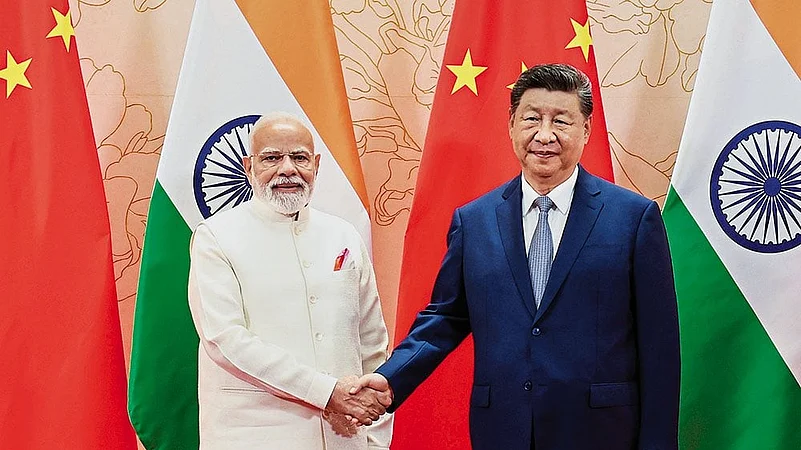
The reported request comes ahead of the BRICS Summit, where Xi and Prime Minister Narendra Modi are expected to meet as both countries continue efforts to rebuild diplomatic engagement after relations deteriorated following the 2020 border clashes.
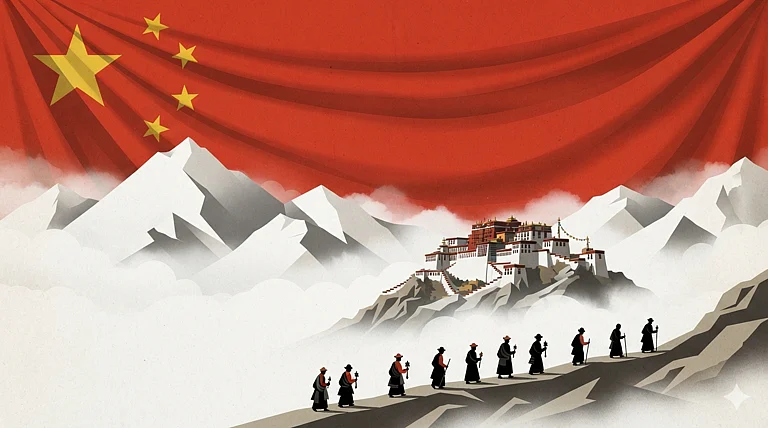
While military disengagement has progressed at several friction points, differences persist over broader strategic and political issues. Tibet, Taiwan and organisations linked to Falun Gong remain among Beijing's most sensitive concerns in its engagement with foreign governments.
Xi's expected visit is also likely to focus on regional security, economic cooperation and the future direction of India-China relations, making the handling of politically sensitive issues an important part of the diplomatic groundwork ahead of the summit.