Prashant Kishor won Bankipur by 19,324 votes, defeating BJP’s Neeraj Kumar Sinha.
The result ended the BJP’s hold over one of its key Bihar strongholds.
Kishor promised visible improvements in the constituency within three months.
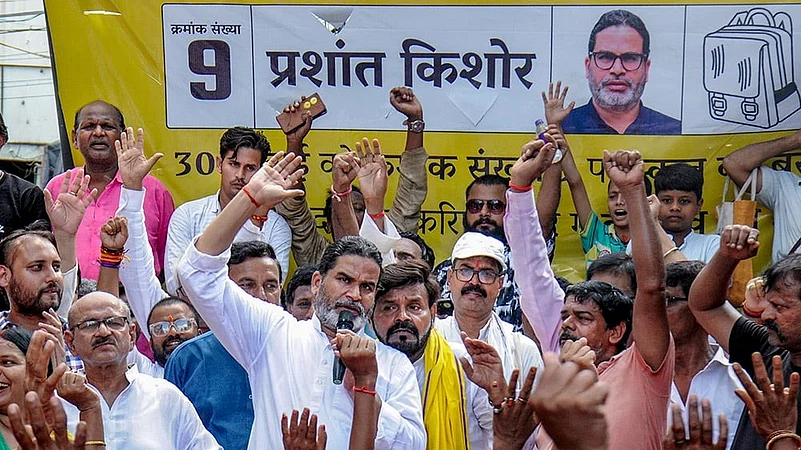
Prashant Kishor breached one of the BJP’s most firmly held constituencies in Bihar, winning the Bankipur Assembly bypoll by a margin of 19,324 votes and securing his entry into the state legislature.
The Jan Suraaj Party founder polled 64,151 votes, comfortably defeating BJP candidate Neeraj Kumar Sinha, who received 44,827 votes. RJD’s Rekha Kumari finished a distant third with 14,273 votes.
The victory carries added political significance as BJP had represented Bankipur since 1995. Navin Kishore Prasad Sinha represented it before his son, Nitin Nabin, won five consecutive terms.
Addressing reporters after the result, Kishor asked voters to give him three months to demonstrate visible improvements in Bankipur.
“In 3 months, you will see a visible change in Bankipur. But for that, you will have to give me 3 months,” he said.
Kishor thanked the electorate and said the outcome reflected a demand for better education, employment opportunities and political leadership in Bihar.
“The people of Bihar have sent a message to the BJP's central leadership that they should appoint a good person as the chief minister of Bihar. They do not want a person with a criminal background or questionable conduct, character, or reputation to lead Bihar,” he told reporters in Patna.


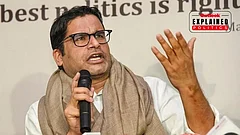
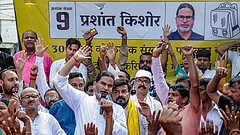
Kishor said that this result has revealed people's sentiment against the BJP's central leadership.
"The Bankipur election was not an election to elect an MLA. This election was to decide on the BJP-NDA government and its leadership. The people of Bankipur have voted that the central leadership of the BJP should consider it and, in the interest of Bihar, hand over the power of Bihar to a good person," he told reporters.
From Political Consultant To Politician
Kishor’s route into politics differed from that of most first-time candidates. Before becoming associated with elections, he worked in public health, including with the United Nations. He entered Indian political campaigning in the early 2010s and later built organisations such as Citizens for Accountable Governance and the Indian Political Action Committee, better known as I-PAC.
His move from advising leaders to seeking votes was gradual. Kishor joined the JD(U) and served as its national vice-president before being expelled from the party in 2020. After the Trinamool Congress’s victory in the 2021 West Bengal Assembly election, he announced that he was leaving professional election management. The next phase of his career centred on Bihar, not as a consultant hired for one campaign, but as the builder of his own political organisation.
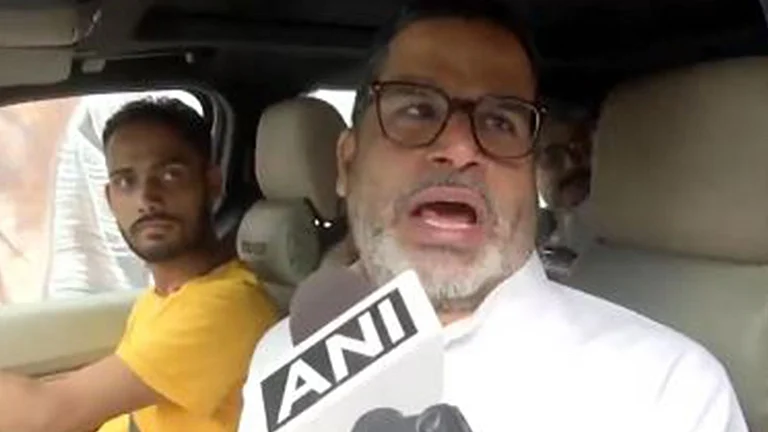
The Campaigns That Made Prashant Kishor Famous
Kishor first drew national attention through Narendra Modi’s campaigns in Gujarat and the 2014 Lok Sabha election. His team was associated with initiatives such as “Chai Pe Charcha” and a campaign model that combined political branding, technology, data and volunteer mobilisation.
He subsequently worked with Nitish Kumar during the 2015 Bihar election, Amarinder Singh in Punjab, YS Jagan Mohan Reddy in Andhra Pradesh, Arvind Kejriwal’s AAP in Delhi, Mamata Banerjee’s Trinamool Congress in West Bengal and the DMK in Tamil Nadu.
Campaigns associated with him included “Phir Se, Nitish Kumar”, “Coffee with Captain”, “Didi Ke Bolo” and “Banglar Gorbo Mamata”.
Those assignments made Kishor one of India’s best-known political consultants.
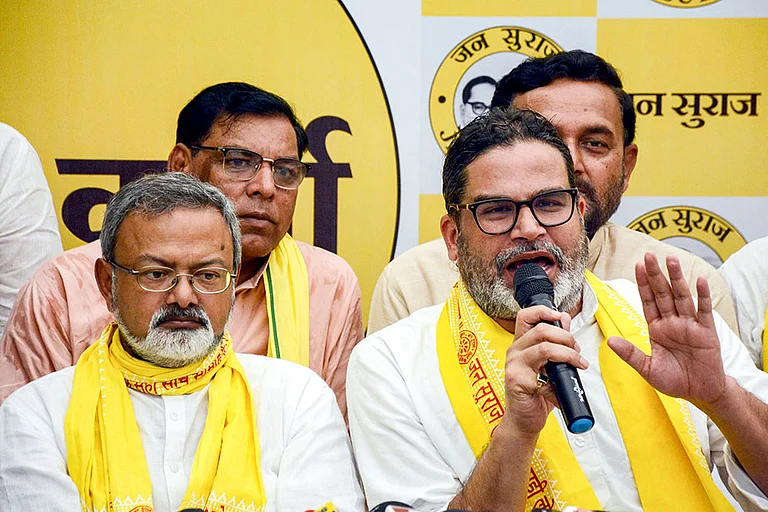
Why He Launched Jan Suraaj
Kishor began the Jan Suraaj padyatra from West Champaran on October 2, 2022, presenting it as an effort to understand Bihar’s problems and build a new political alternative. After travelling more than 3,000 kilometres, the campaign was formally converted into the Jan Suraaj Party on October 2, 2024.
The party placed education and employment at the centre of its programme, alongside governance, migration, corruption and economic opportunity. Yet its first statewide electoral test ended badly. Jan Suraaj contested 238 constituencies in the 2025 Bihar election but won none, with 236 candidates forfeiting their deposits. Kishor later accepted responsibility for the setback.
Bankipur therefore became an opportunity to reset the project through a concentrated, candidate-led contest.
Why Bankipur Became His Electoral Debut
Bankipur was hardly a safe launchpad. The BJP has held the seat, including its earlier Patna West form, in every election since 1995. Navin Kishore Prasad Sinha represented it before his son, Nitin Nabin, won five consecutive terms.
In 2025, Nabin defeated the RJD candidate by 51,936 votes, while Jan Suraaj’s Vandana Kumari finished third with 7,717 votes.
The bypoll was called after Nabin resigned after he was elected as BJP National President and moved to the Rajya Sabha. Kishor framed his decision to contest as a challenge to Bihar’s established voting patterns.
“When people start their electoral politics, they look for safe seats for themselves. I am doing the opposite,” Kisho had earlier told ANI, arguing that voters must look beyond caste and religion.
_570_850.jpg?auto=format%2Ccompress&fit=max&format=webp&w=768&dpr=1.0)
What Victory Means For Kishor
Prashant Kishor’s victory marks Jan Suraaj’s first entry into the Bihar Assembly and strengthens his transition from election strategist to elected politician.
The result is particularly significant because Bankipur had remained with the BJP since 1995, making the defeat a setback for the party in one of its most dependable urban constituencies. It also revives Jan Suraaj after its failure to win a seat in the 2025 Bihar Assembly elections.