Government data shows the number of schools under the scheme fell from about 11.19 lakh in 2020–21 to nearly 10.35 lakh in 2024–25.
States including Uttar Pradesh, Madhya Pradesh and Assam reported the highest reduction in coverage.
The union government attributed the decline to school mergers, closures and reduced enrolment.
The number of schools covered under the union government's flagship PM Poshan Shakti Nirman school (renamed mid-day meal programme) has declined significantly over the last five years, with over 84,000 schools dropping out of the scheme, according to official data placed before Parliament.
In a written reply, the Ministry of Education informed the parliament that the coverage under the PM Poshan Shakti Nirman scheme fell from around 11.19 lakh schools in 2020–21 to about 10.35 lakh schools in 2024–25. The decline amounts to a reduction of nearly 7.5 % in institutional coverage.
The sharpest fall was recorded immediately after the pandemic period, when tens of thousands of schools exited the scheme. The government data shows that the number of beneficiary schools continued to shrink in subsequent years. Large states such as Uttar Pradesh, Madhya Pradesh and Assam reported the biggest reductions in coverage.

The ministry stated that the implementation of the scheme rests primarily with state governments and Union Territories, and changes in school coverage are linked to factors such as mergers, closures and falling enrolment. Despite the drop in the number of schools, the government maintained that over 8.5 crore children continue to receive cooked meals under the programme annually.


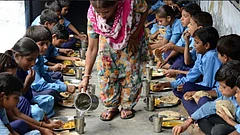
The decline has sparked concerns over nutritional access for children from economically vulnerable families, especially in rural and marginalised regions.
.jpg?auto=format%2Ccompress&fit=max&format=webp&w=260&dpr=1.0)
In multiple states including Maharashtra, the government has dropped eggs as part of the Poshan or mid day meal, citing resentment from vegetarian parents. In February 2025, Maharashtra Government decided to withdraw Rs 50 crore from funding eggs. This move by the state government was widely criticised by right to food campaign.











_.jpg?w=105&auto=format%2Ccompress&fit=max "Delhi Winter Pollution Plan: All You Need To Know About Vehicle Bans, WFH And Parking Fees")