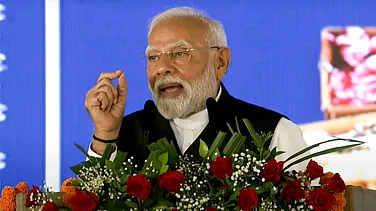
MeitY issued a formal notice to Meta within 48 hours, ordering an immediate halt to the username feature's rollout in India.
The government's core fear is the 'digital arrest' scam, a rapidly spreading fraud where criminals impersonate CBI officers, judges, and customs officials to extort money.
Meta says it proactively reserves usernames for public figures and government entities and calls the feature a net privacy gain.
On June 29, 2026, WhatsApp announced that its users would soon be able to reserve a unique username. The feature was billed as a privacy upgrade, less reliance on phone numbers means fewer SIM swap attacks, fewer numbers harvested from chat groups, more control for users.
Within 48 hours, the Ministry of Electronics and Information Technology (MeitY) had sent Meta a formal legal notice, ordered the feature suspended for Indian users, and demanded a detailed compliance explanation within three days. As of July 2, WhatsApp usernames remain unavailable in India.

What Feature Meta Plans To Launch
WhatsApp usernames are a fundamental redesign of how users identify themselves on the platform. Currently, a WhatsApp account is tied to a phone number. It is the primary identifier that tells a recipient who you are.
The username feature changes this. Users will be able to create a unique alphanumeric handle beginning with an @ symbol which they can share as their primary contact identifier.


Meta says it proactively reserves usernames for verified public figures, government entities, and common variations of their names, so that only legitimate owners can claim handles like @narendramodi_official or @rbi_india. The feature is already open for username reservations in some international markets and is planned for wider rollout later in 2026.
Why The IT Ministry Is Concerned
India's Ministry of Electronics and Information Technology reviewed the feature not as a privacy product, but through the lens of the country's cybercrime landscape. Digital payment fraud, phishing, and impersonation scams have become among the most common financial crimes in urban and semi-urban India.
In the formal notice sent to WhatsApp's Chief Compliance Officer for India Operations — reviewed by TechCrunch, MeitY warned that the username feature could 'materially increase the incidence of online fraud, phishing, digital arrest scams and impersonation attacks' by allowing bad actors to contact victims without exposing their phone numbers. The ministry warned that usernames could allow impersonation of 'individuals, public authorities, financial institutions, and government agencies' by letting fraudsters create handles closely resembling those of genuine people or organisations.
The MeitY notice also raised a traceability concern: if phone numbers are no longer the primary identifier of first contact, law enforcement agencies lose their most reliable tool for determining whether a suspect is based within India or abroad.

How Impersonation Scams Work
Indian authorities are most worried about the 'digital arrest' scam, which has exploded across India's urban population in the past two years and has claimed victims from Supreme Court judges to retired government servants. Victims have transferred amounts ranging from a few thousand rupees to crores.
In several reported cases, victims maintained video calls with 'officers' for hours or days, during which they were instructed not to contact anyone, believing they were under active legal investigation. Prime Minister Modi himself warned about digital arrest scams in his Mann Ki Baat address in October 2024, calling them among the most dangerous cyber threats facing Indian citizens.
What Changes Meta May Have To Make
Meta has maintained that WhatsApp usernames are a net privacy gain. Its stated safeguard, proactively reserving usernames for public figures and government entities, addresses one dimension of the concern.
There are several changes Meta could plausibly offer to resolve the standoff. It could agree to retain phone number visibility for first-contact messages in India. It could agree to reserve a broader set of institutional and official usernames for verified entities only.
It could offer law enforcement a dedicated disclosure mechanism to obtain the phone number behind any username upon valid legal request. Whether those concessions satisfy MeitY will depend on consultations.