



India added more than 3.1 lakh new piped natural gas (PNG) connections in March and another 2.7 lakh connections were issued as the government accelerated expansion of cleaner fuel networks amid supply disruptions following the closure of the Strait of Hormuz.
With the war in West Asia disrupting cooking gas LPG supplies, the government has been pushing for greater adoption of piped natural gas - considered more convenient than LPG cylinders for everyday use as gas is delivered through a pipeline directly to home without the botheration of booking refills.
The war has effectively shut the Strait of Hormuz - the shipping lane through which India got most of its LPG. While LPG supplies have been disrupted, half of the country's requirement of natural gas is produced locally and for the rest there are diversified sources.
"During the month of March, more than 3.1 lakh connections including domestic, commercial, hostel, mess, canteen etc. have been gasified. In addition to above, more than 2.7 lakh new connections have been given and are being gasified," an oil ministry statement said giving an update on fallout of developments in West Asia.
India at the end of February had 1.64 crore domestic PNG connections, 48,568 commercial and 21,512 industrial connections. The 3.1 lakh gasified connections refers to those which had been applied in earlier months and had been connected and gas supplies started in March. Besides, 2.7 lakh is the number of new PNG connections sought during the month, for which gas supplies are in the process of being started.


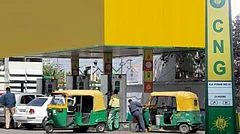

The statement said the government is prioritising PNG rollout to households, commercial establishments and institutions, extending a national expansion drive to end-June and directing city gas distributors to fast-track connections, including for hostels, community kitchens and educational facilities.
All refineries, it said, are operating at high capacity with adequate inventories, while stocks of petrol and diesel remain sufficient nationwide.
To shield consumers, the government cut excise duties on petrol and diesel by Rs 10 per litre each and imposed export levies on diesel and aviation turbine fuel to boost domestic supply.
Fuel retail outlets are functioning normally, although instances of panic buying have been reported in some areas.
The government said supplies remain adequate and urged citizens to avoid hoarding, while asking states to counter misinformation through regular briefings.
Natural gas supplies have been prioritised for households and transport, with full allocations for PNG and CNG segments, while industrial users are receiving about 80 per cent of average consumption. Additional LNG cargoes are being sourced to stabilise supply.
LPG distribution remains stable with no reported shortages at dealerships, and daily deliveries averaging over 50 lakh cylinders in March, the statement said.
Commercial LPG allocations have been raised in phases to about 70 per cent of pre-crisis levels, with priority for hospitality, food processing and key industries.
Authorities have intensified enforcement against hoarding and black marketing, conducting thousands of raids and inspections across retail outlets and LPG distributors.
Additional kerosene supplies have been allocated to states as an alternative fuel, while policy measures have been introduced to fast-track pipeline infrastructure and expand city gas networks.
The government said it continues to prioritise household energy needs and critical sectors such as healthcare and education, and urged citizens to conserve fuel and rely on official information.















