Iran's Ambassador to India, Mohammad Fathali, stated on March 13, 2026 emphasizing "India is our friend" with common interests and faith.
The assurance follows recent high-level talksamid the West Asia crisis where disruptions have stranded around 27 Indian-flagged vessels and spiked global energy concerns.
Positive developments include two India-flagged LPG carriers successfully transiting the strait offering relief to India's energy imports reliant on the critical chokepoint.
Iran's Ambassador to India, Mohammad Fathali, has given a strong indication of safe passage for India-flagged vessels through the strategically vital Strait of Hormuz, amid escalating tensions in West Asia that have disrupted maritime traffic and raised alarms over energy security.
Speaking to reporters in New Delhi on March 13 after an Al-Quds Day event, Fathali responded to questions about allowing India-bound ships safe transit: “Yes. Because India is our friend. You can see the future, and I think after two or three hours… We believe that Iran and India are friends. We have common interests, we have common faith.” He added, “We will try our best to remove the problems,” while urging prayers to overcome obstacles in various fields.
The comments mark significant diplomatic headway for India, which has been actively engaging Tehran to secure unhindered navigation through the strait—a chokepoint handling a substantial portion of global oil and India's energy imports. With around 27 Indian-flagged vessels reportedly stranded due to the conflict involving US-Israel actions against Iran, the assurance comes as a timely relief.


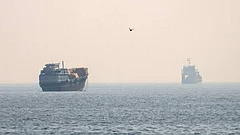

Reports confirm that two India-flagged liquefied petroleum gas (LPG) carriers have already transited the strait successfully, and an Indian government source noted earlier indications of Iran's willingness to allow such passages following foreign ministers' talks. Fathali's statement reinforces this, with expectations of further clearances soon.
The development aligns with India's broader diplomatic push, including multiple conversations between External Affairs Minister S. Jaishankar and Iranian officials, to prioritize citizen safety, energy supply chains, and regional stability. While the strait remains volatile, Iran's selective facilitation for "friendly" nations like India highlights the interplay of geopolitics and bilateral ties in the crisis.
As oil markets monitor the situation closely, Fathali's optimistic tone offers hope for de-escalation in disruptions, though the broader conflict continues to pose risks to global shipping and energy prices.