Analysts argue the United States underestimated Iran’s ability to withstand military pressure and quickly replace damaged leadership and infrastructure.
Iran’s use of asymmetric tactics, including drones, missiles, and regional proxy networks, has turned the conflict into a prolonged war of endurance.
Experts say a decisive military victory appears unlikely, suggesting diplomacy may be the only viable path to end the conflict.
President Donald Trump may have underestimated Iran’s resilience in the ongoing conflict, according to an analysis by political scientist Amin Saikal, who argues that the war is increasingly becoming a prolonged contest of endurance rather than a quick military victory.
Saikal says the United States and its allies appeared to assume that overwhelming military power would quickly weaken Iran’s leadership and security institutions. Instead, Iran has continued to sustain operations despite strikes on its military infrastructure and senior leadership.
According to the analysis, Iran’s political and security system is structured to survive external attacks. Leadership positions can be replaced quickly, and moments of foreign pressure often strengthen domestic solidarity rather than weaken the state.
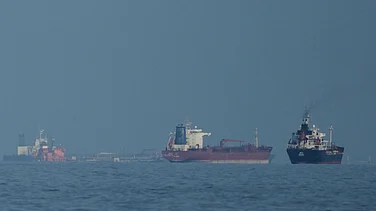
The conflict has also evolved into a form of asymmetric warfare. Rather than confronting the United States directly through conventional military means, Iran has relied on missile and drone strikes, pressure through regional allies, and threats to key global oil routes such as the Strait of Hormuz.
Saikal argues that this strategy allows Iran to avoid decisive defeat while raising the economic and political costs of the war for its opponents.



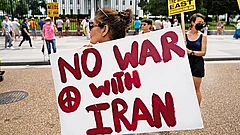
The analysis concludes that while military operations may continue, a clear battlefield victory appears unlikely for either side. Instead, Saikal suggests that renewed diplomatic negotiations over Iran’s nuclear programme and regional security concerns may ultimately provide the only realistic path to ending the conflict.