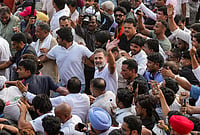
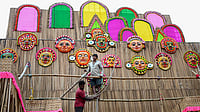
Mahashivratri, the Great Night of Lord Shiva, is among the most revered and spiritually significant nights in the Hindu religion. The night vigil, referred to as Jagran, is particularly significant among its numerous rites. Adherents stay awake all night, participating in prayers, meditation, chanting, and acts of devotion. This activity transcends ritualism; it embodies profound mythical, spiritual, and symbolic significance grounded in ancient beliefs.
Why Is Night Vigil Observed on Mahashivratri?
The moon is at its weakest during Mahashivratri, which takes place on Chaturdashi Tithi of Krishna Paksha. During this stage, one experiences emotional instability, spiritual darkness, and a lack of knowledge. Keeping one's eyes open all night long is a metaphor for self-awareness, the will to overcome passivity and ignorance.
According to popular belief, this is the night when cosmic forces are most favourable for enlightenment. Devotees can consciously bring themselves into harmony with higher awareness by staying awake and absorbing these energies.
Mythological Significance of Night Vigil:
Lord Shiva’s Awakening:
On Mahashivratri, however, he supposedly turns amiable and attentive to his devotees, despite the fact that he stays in deep meditation throughout the year. Being aware and prepared to receive his heavenly favour is symbolised by staying awake.
The Samudra Manthan Legend:
Halahal, a lethal poison, surfaced as the cosmic ocean swirled. Staying alert and swallowing the poison while holding it in his throat, Lord Shiva protected creation. In honour of his selfless devotion and the universe he protected, believers keep a night vigil.
Shiva and Parvati’s Divine Union:
Mahashivratri is also celebrated as the wedding night of Lord Shiva and Goddess Parvati. Devotees stay awake to witness and honour this sacred union of Shiva (consciousness) and Shakti (energy), which sustains the universe.
The Jyotirlinga Manifestation:
According to the scriptures, it was on this night that Lord Shiva manifested as an endless pillar of light. Keeping watch through the night is a metaphor for being open to seeing the timeless, formless truth that is revealed by the divine.





Spiritual Meaning of Staying Awake:
Awakening of Inner Consciousness:
Night represents ignorance and unconsciousness. Staying awake symbolises inner awakening, self-realisation, and awareness.
Control Over Tamas Guna:
Sleep is associated with Tamas, the quality of inertia. Jagran helps overcome laziness, lethargy, and mental darkness.
Enhancing Meditation and Sadhana:
Yogic traditions believe that meditation performed on Mahashivratri night is far more powerful. The mind naturally turns inward, aiding deep spiritual experiences.
Four Prahar Vigil: A Sacred Practice
Mahashivratri night is divided into four prahars, each lasting approximately three hours. Devotees worship Lord Shiva in each prahar, performing Abhishek, chanting mantras, and offering prayers.
Each prahar symbolises:
Letting go of past karmas
Purifying emotions
Strengthening devotion
Seeking liberation
Remaining awake through all four prahars is considered highly auspicious.
Beliefs Associated with Night Vigil:
Removal of Sins: Staying awake with devotion is believed to destroy accumulated negative karmas.
Fulfilment of Desires: Shiva is easily pleased on this night and grants wishes to sincere devotees.
Spiritual Liberation: Scriptures suggest that night-long devotion on Mahashivratri can lead to moksha.
Protection and Blessings: Jagran is believed to invite divine protection, peace, and prosperity.

Scientific and Yogic Perspective:
From a yogic point of view, Mahashivratri night is ideal for spiritual practices because the natural upward flow of energy in the body is enhanced. Remaining awake helps maintain awareness and allows prana to rise smoothly through the chakras.
Psychologically, night vigil cultivates discipline, mental strength, and focus, helping individuals break habitual patterns of sleep and comfort.
How Devotees Observe the Night Vigil:
During the night, devotees engage in:
Chanting “Om Namah Shivaya”
Reciting Mahamrityunjaya Mantra
Singing bhajans and kirtans
Listening to Shiva Purana stories
Silent meditation and contemplation
Even simple awareness with devotion is considered sufficient.
Symbolic Message of Night Vigil:
The night vigil of Mahashivratri teaches a profound life lesson:
Remain awake and aware in the darkness of life.
It reminds devotees to stay conscious during difficult phases, trust divine guidance, and move toward inner transformation rather than falling into ignorance or despair.
The night vigil on Mahashivratri is far more than staying awake—it is a sacred journey from darkness to light, from unconsciousness to awareness. Rooted deeply in mythology and spiritual belief, Jagran represents devotion, discipline, sacrifice, and awakening.
By staying awake in the name of Lord Shiva, devotees symbolically awaken their inner Shiva—the eternal source of strength, wisdom, and peace.
May the sacred night of Mahashivratri bless all with awareness, courage, and divine grace. Har Har Mahadev!