Bharathiraja's films transformed Tamil cinema by bringing rural life to the forefront.
Several of his most celebrated works continue to influence filmmakers and audiences today.
These landmark films offer a glimpse into the storytelling legacy he leaves behind.
The death of Bharathiraja at 84 marks the end of one of the most influential chapters in Indian cinema. Few filmmakers can genuinely be credited with changing the language of filmmaking itself. Bharathiraja was one of them.
Before he arrived in the late 1970s, Tamil cinema largely belonged to studio floors. Villages were often recreated through painted backdrops, stories leaned heavily on theatrical melodrama and the lives of ordinary rural people rarely occupied centre stage. Bharathiraja changed all of that.
With a camera slung across his shoulder and a storyteller's instinct rooted firmly in the soil of Tamil Nadu, he took cinema out of the studio and into the fields, rivers, dusty roads and small towns where millions of people actually lived. His films spoke in local dialects. His characters looked imperfect. His heroes could be vulnerable, awkward, or even deeply flawed.
Over a career spanning nearly five decades and more than 40 films, Bharathiraja introduced generations of actors, inspired countless filmmakers and gave Tamil cinema some of its most enduring classics. Whether exploring first love, caste divisions, family bonds, or social injustice, he brought an emotional honesty that remains difficult to replicate.
As the industry mourns the loss of the filmmaker affectionately known as Iyakkunar Imayam (The Everest of Directors), here are 10 films that best capture his extraordinary legacy.
1. 16 Vayathinile (1977)
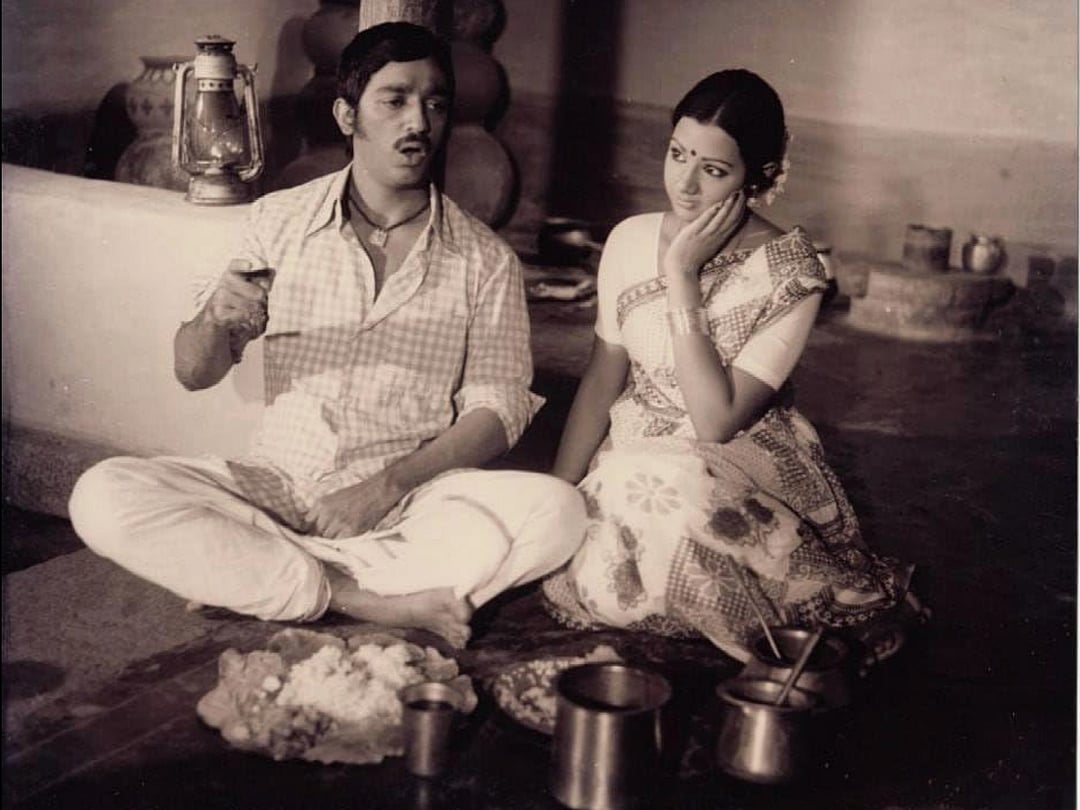

16 Vayathinile was not merely a successful debut. It was a revolution.
The film follows Mayil, a young village girl yearning for love and a better future, while navigating the affections of the innocent Chappani and the dangerous Parattai. Through these unforgettable characters, Bharathiraja painted a portrait of rural life that felt startlingly authentic.
The performances of Sridevi, Kamal Haasan and Rajinikanth became iconic, but the film's greatest achievement was proving that audiences were ready for realism. Tamil cinema would never look the same again.
2. Kizhakke Pogum Rail (1978)
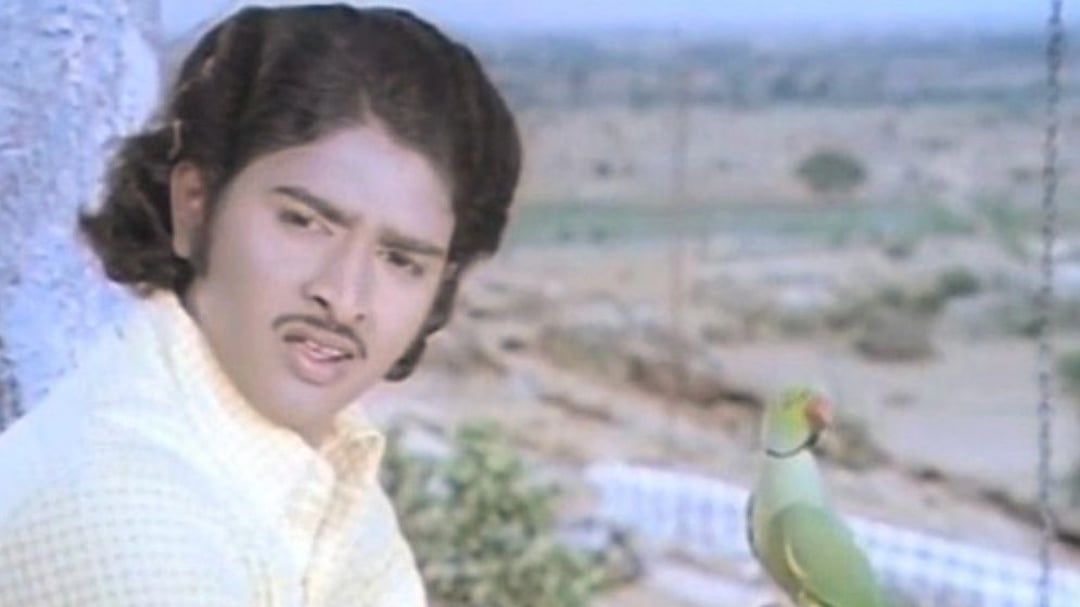
Coming immediately after his breakthrough debut, Kizhakke Pogum Rail confirmed that Bharathiraja was not a one-film wonder.
The romantic drama follows a young woman's emotional journey through love, social judgment, and personal freedom. What elevated the film was its compassionate portrayal of village life. Rather than romanticising rural communities, Bharathiraja captured both their warmth and their cruelty.
The film became a major commercial success and further established his reputation as the voice of rural Tamil Nadu.
3. Sigappu Rojakkal (1978)
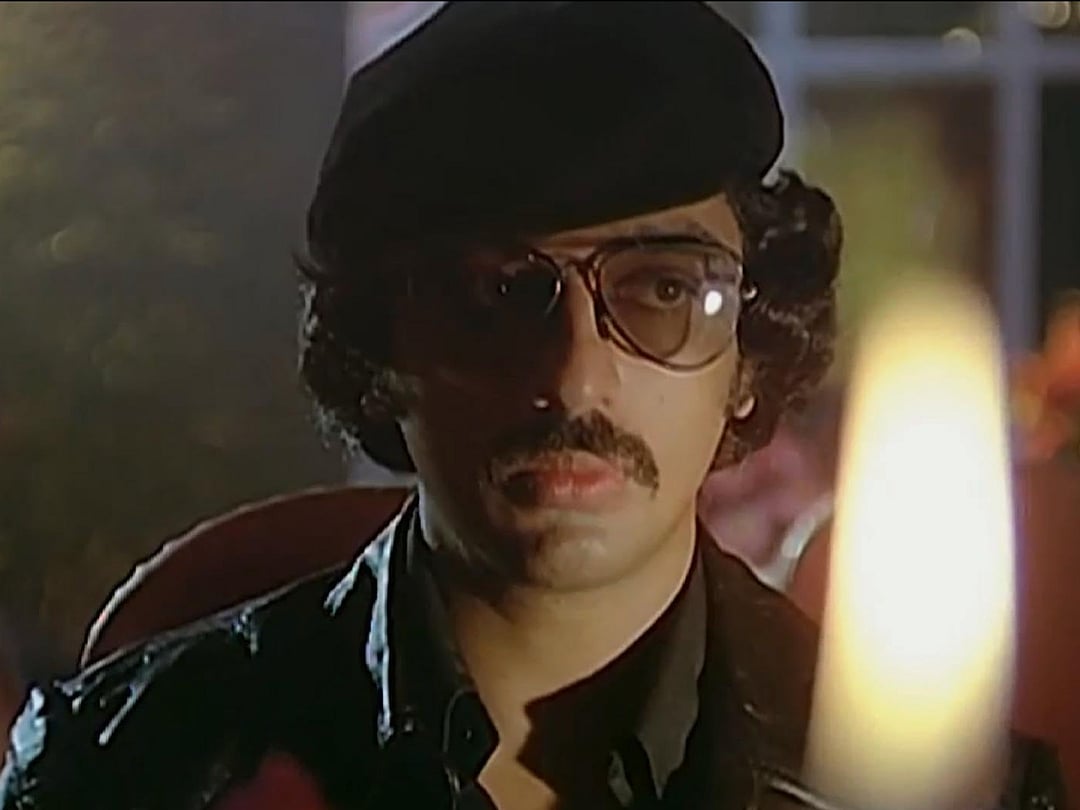
After two village dramas, Bharathiraja surprised everyone with a psychological thriller.
Sigappu Rojakkal follows a wealthy businessman hiding a terrifying secret beneath his charming exterior. Kamal Haasan delivered one of the boldest performances of his early career, while Bharathiraja showcased an entirely different side of his filmmaking.
Stylish, unsettling and psychologically complex, the film proved that he was far more than a rural storyteller.
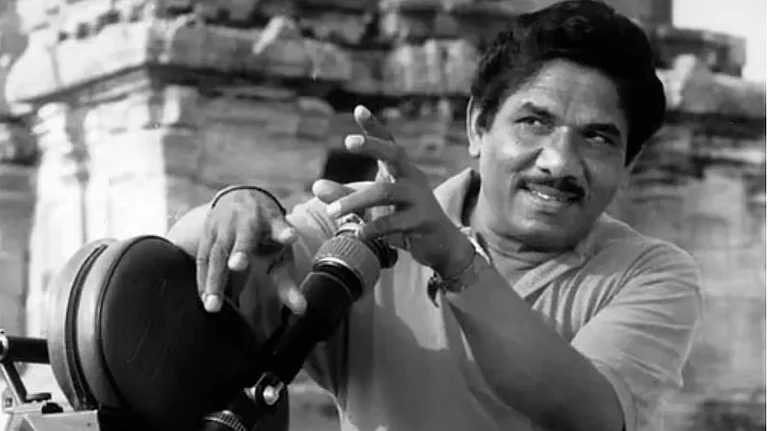
4. Alaigal Oivathillai (1981)
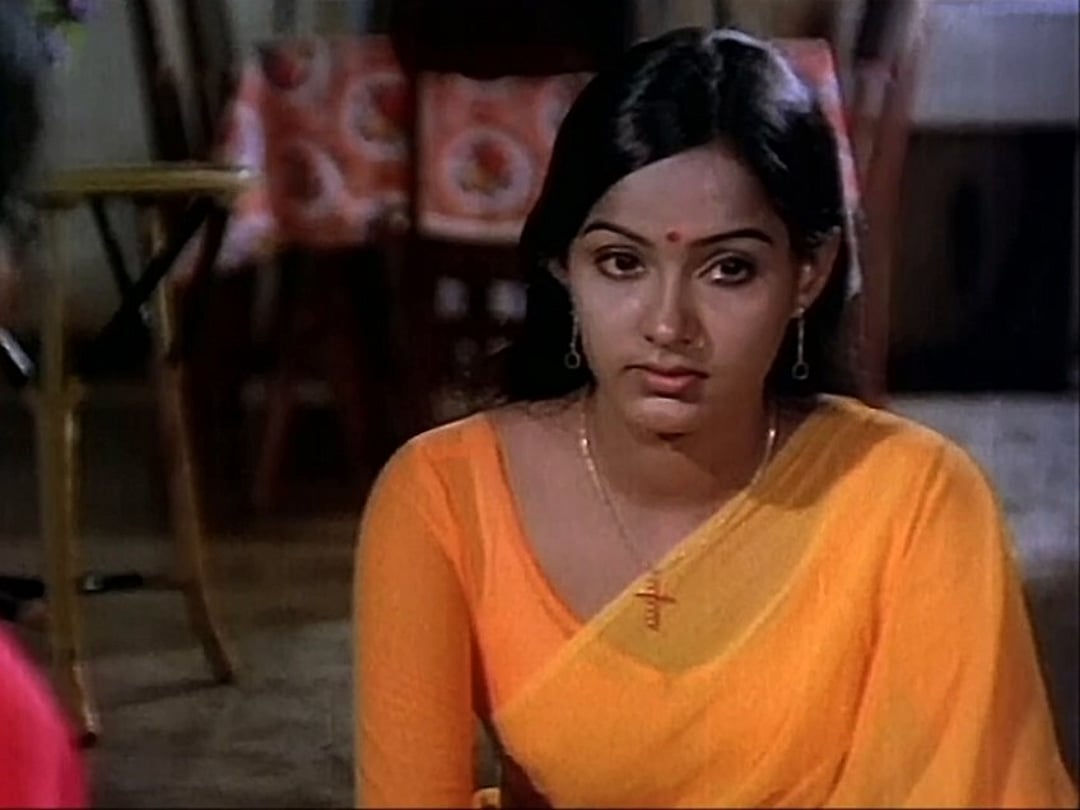
At its heart, Alaigal Oivathillai is a young love story. Yet beneath the romance lies a powerful examination of caste and religious divisions.
The film introduced Karthik and helped establish Radha as a leading actress. Its emotional sincerity, memorable music, and social relevance made it one of the defining Tamil romances of the decade.
Even today, its themes feel strikingly contemporary.
5. Seethakoka Chiluka (1981)
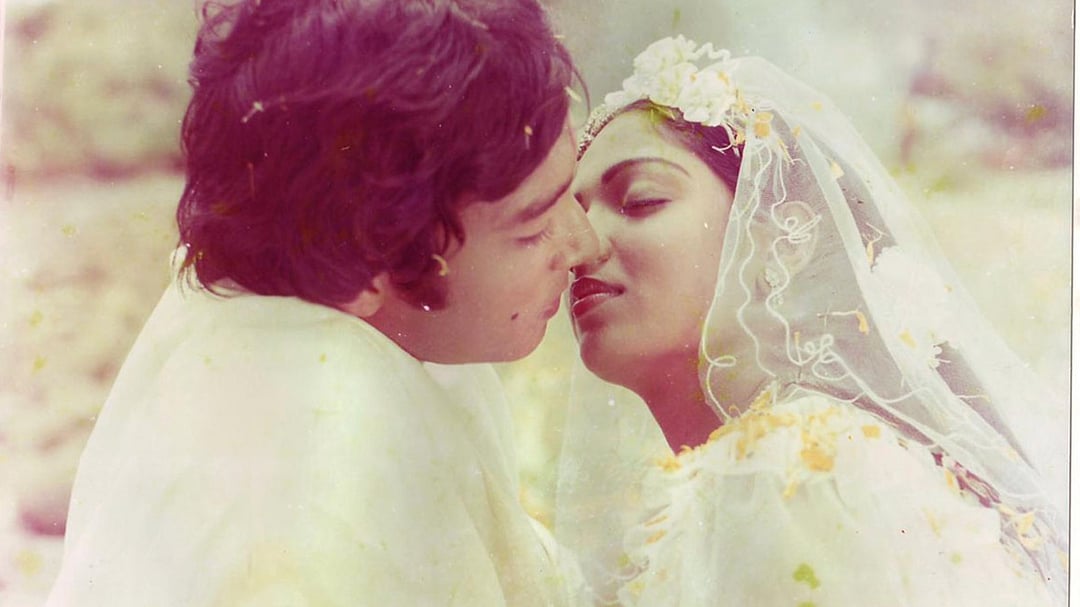
Bharathiraja's influence extended beyond Tamil cinema, and Seethakoka Chiluka remains one of his most celebrated Telugu films.
A tender coming-of-age romance, the film blended youthful innocence with emotional maturity. Its success earned widespread critical acclaim and helped secure the National Film Award for Best Telugu Feature Film.
It remains a benchmark for romantic storytelling in Telugu cinema.
6. Mann Vasanai (1983)
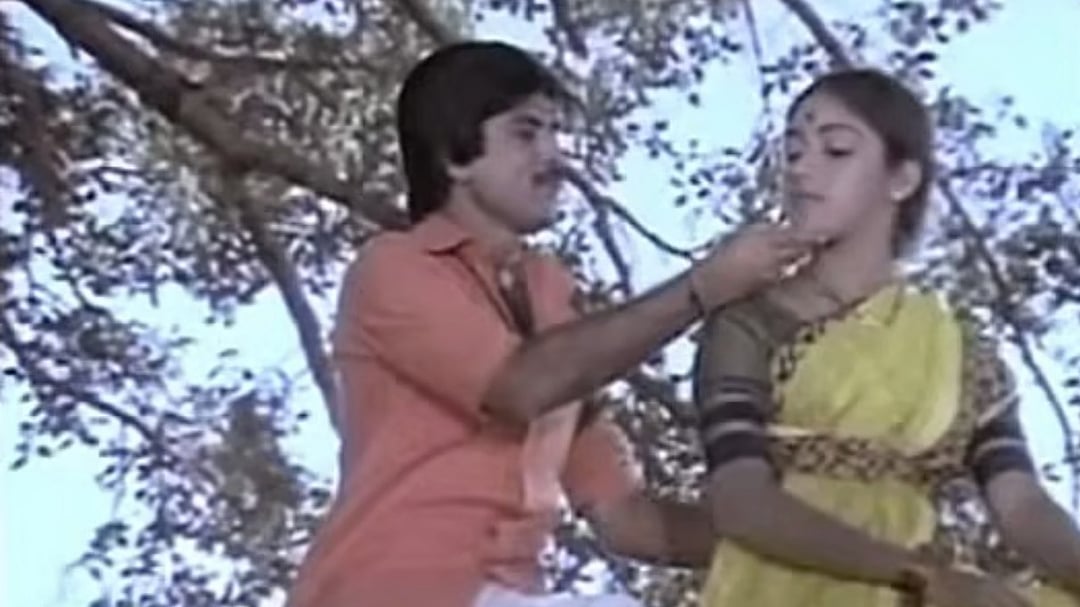
The title translates roughly to "The Fragrance of the Soil", and few Bharathiraja films embody that spirit better.
The film captures the rhythms of everyday village life through a simple but deeply affecting love story. It also introduced Revathi, who would go on to become one of Indian cinema's most respected performers.
Its authenticity continues to resonate with audiences decades later.
7. Mudhal Mariyathai (1985)
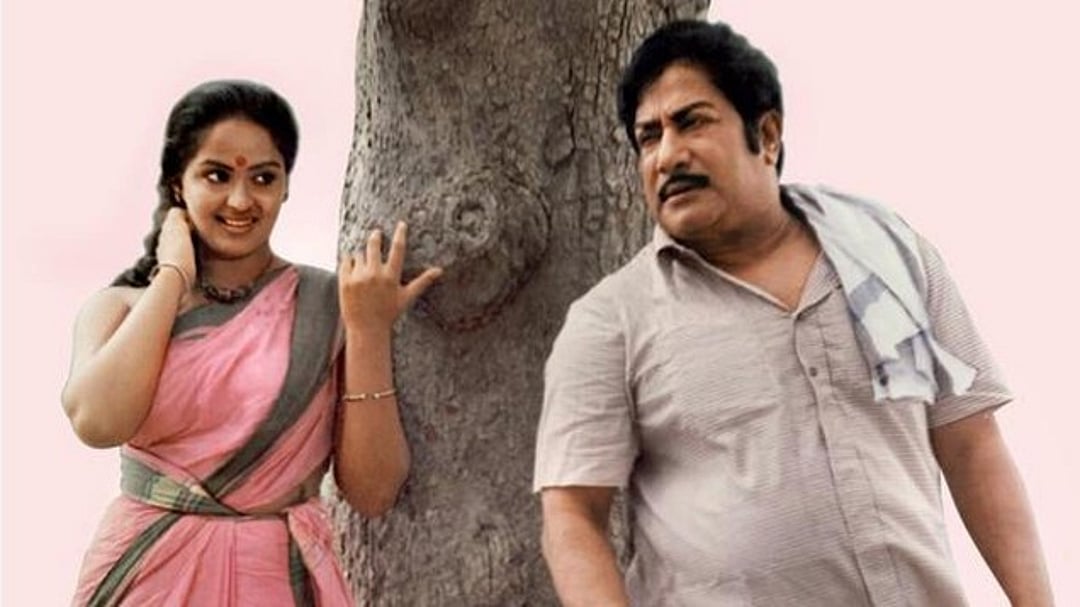
Often regarded as Bharathiraja's masterpiece, Mudhal Mariyathai explored emotional intimacy with extraordinary sensitivity.
Sivaji Ganesan plays a respected village elder trapped in an unhappy marriage who forms a profound connection with a younger woman. Rather than relying on melodrama, the film unfolds with remarkable restraint.
The result is one of Tamil cinema's most moving portrayals of companionship, loneliness and unspoken affection.
8. Vedham Pudhithu (1987)
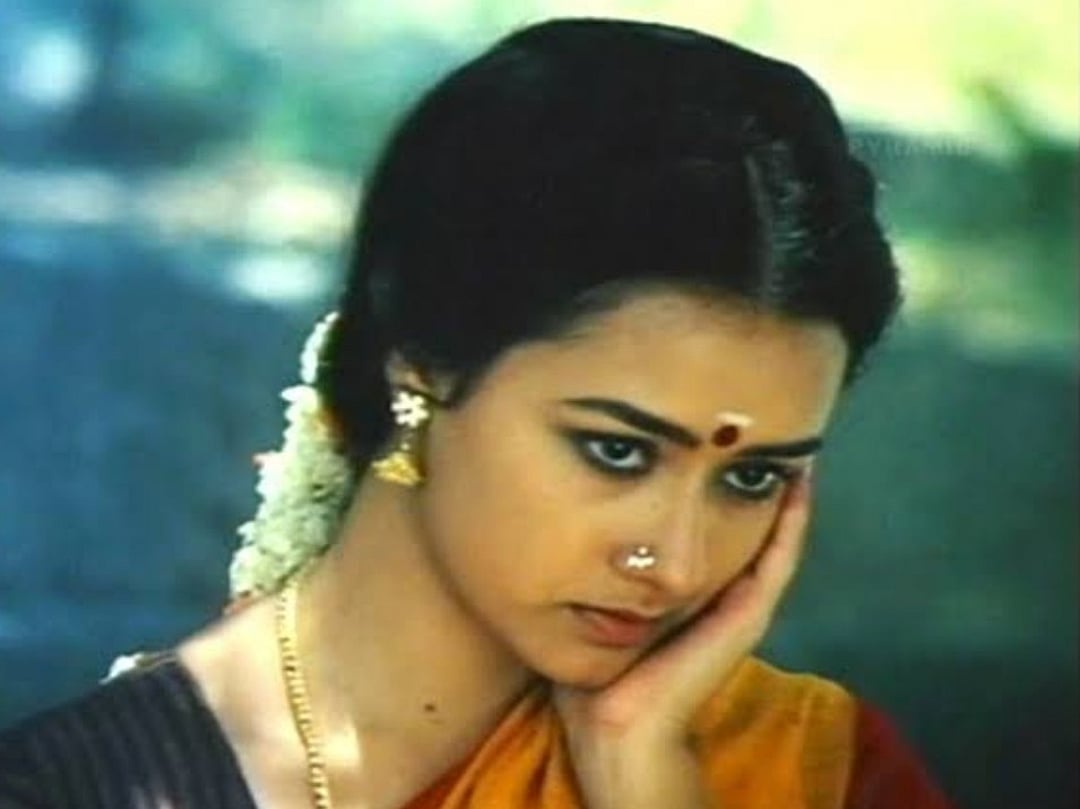
Few mainstream films of its era confronted caste discrimination as directly as Vedham Pudhithu.
Through a powerful narrative and fearless social commentary, Bharathiraja challenged orthodox traditions and questioned deeply entrenched prejudices.
More than three decades later, its message remains as relevant as ever.
9. Kizhakku Cheemayile (1993)
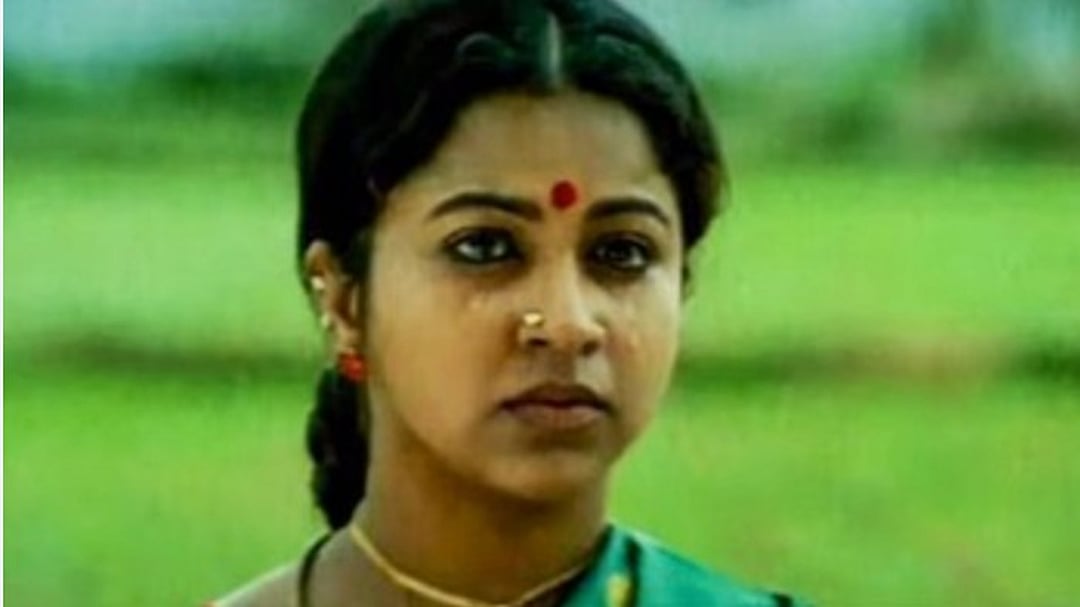
One of Bharathiraja's finest works from the 1990s, Kizhakku Cheemayile is a moving exploration of sibling love, sacrifice and family honour.
Set against the backdrop of rural Madurai, the film captures the emotional complexities of family relationships with rare authenticity. It also featured one of A.R. Rahman's most celebrated early soundtracks.
10. Karuthamma (1994)
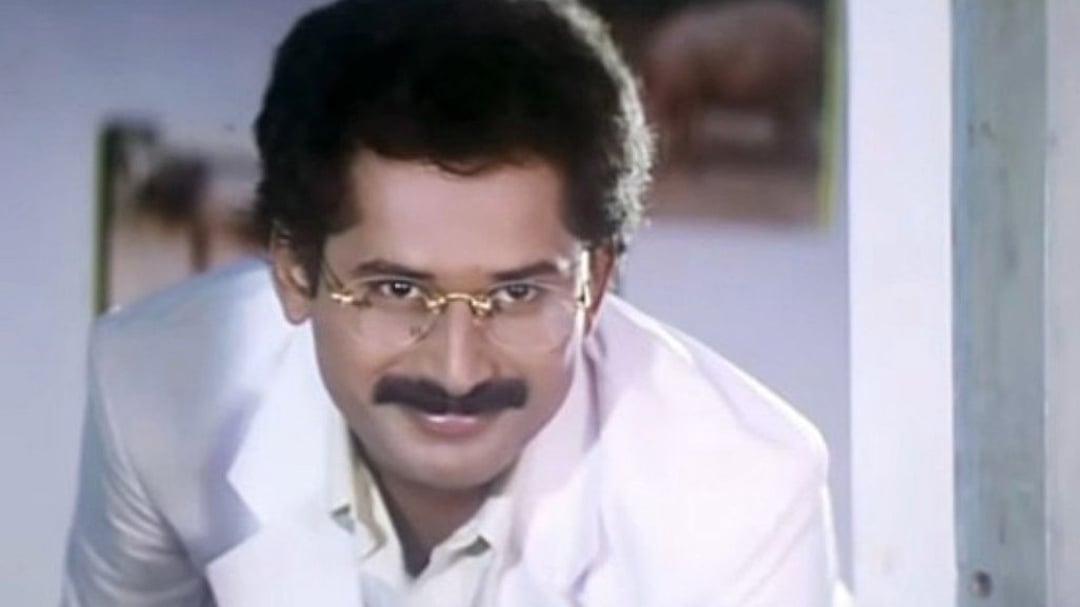
If Bharathiraja's earlier films celebrated village life, Karuthamma confronted one of its darkest realities.
The film tackled female infanticide with courage and compassion, forcing audiences to confront an issue often ignored by mainstream cinema. Rather than offering easy answers, Bharathiraja focused on the human cost of the practice.
It remains one of the most socially important films ever made in Tamil cinema.
The filmmaker who gave Tamil Cinema back its roots
Bharathiraja's legacy cannot be measured by awards alone, though he won six National Film Awards and was honoured with the Padma Shri in 2004. His true achievement lies in changing how Tamil cinema saw itself.
He introduced stars, mentored filmmakers and inspired generations of storytellers. More importantly, he proved that stories rooted in local culture could possess universal emotional power
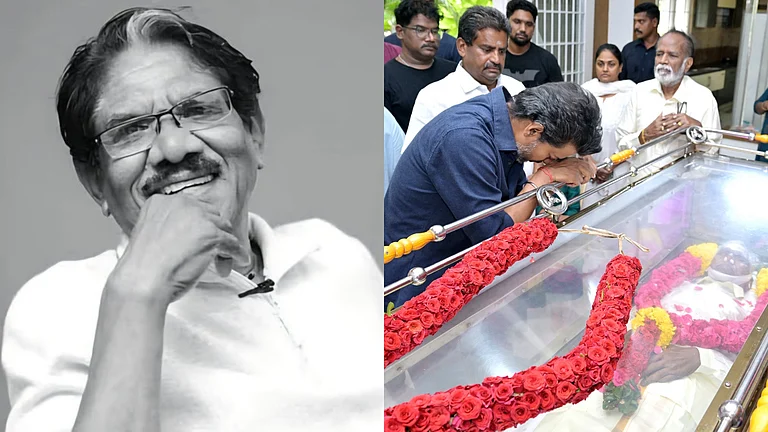
Long after the lights fade and the tributes end, his films will continue to speak for the villages, people and emotions that he brought to the screen with unmatched honesty. Few filmmakers leave behind a movement. Bharathiraja did.