Jafar Panahi's It Was Just An Accident won the Palme d'Or at the 2025 Cannes Film Festival.
The revenge thriller has launched a juggernaut in award season.
The film is screening at the 30th International Film Festival of Kerala (IFFK).
With the Palme d’Or winning It Was Just An Accident, Iranian filmmaker Jafar Panahi has delivered a guttural scream of a film, one that blasts through coiled questions into a trenchant send-up of crisis-tested morality. The film opens with an animal knocked down by a car. Eghbal (Ebrahim Azizi) is driving in utter darkness. His wife casually shrugs it off. It’s a mere hitch. They proceed anyway, despite their daughter’s insistence over the mishap. But it doesn’t take long for a different form of consequence to catch up. When Eghbal halts at a garage, a mechanic, Vahid (Vahid Mobasseri), grows convinced it’s none other than his interrogator back in prison. The ‘Peg Leg’ Eghbal gets kidnapped, blindfolded, cast into Vahid’s van.
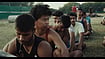
Vahid’s intrinsic decency prevents him from further acting on impulses. He does want to wait it out, authenticate the identity. So, he bundles together others who’ve suffered at the torturer’s hands. There’s a photographer, Shiva (Maryam Afshari), a bride-to-be, Goli (Hadis Pakbaten) and the most impetuously fired-up of them all, Hamid (Mohamad Ali Elyasmehr). This coterie’s private history with the interrogator fuels the oscillating moral dilemmas accompanying victims of State-sanctioned repression. Can vigilantism ever license true, ideal justice? Where’s the guarantee the system won’t spring a fresh hounding upon revenge? Should one form of violence be met with yet another? At what point do the moral boundaries dissolve?



Confusion is rampant whether the kidnapped is indeed the torturer. The absence of certainty further draws out resolutions on what to do with the man. Delayed identification twists gradations of this darkly comic satire. Only a squeak of Eghbal’s prosthetic leg dials up traumatic memory, expedites the vengeful need. Vahid’s van and the desert become spaces for reckoning—both individual and communal—with punishment and retribution. They function as deliberative areas, wherein conscience vis-à-vis repression and reprisal sets off clashes. Panahi investigates the very extent of ethics. What’s the turning point where revenge entirely assumes criminality? What then separates the wronged from the oppressor? Is there any distinguishing, redeeming aspect at all?
At one point, a character directly invokes Waiting for Godot, in case you’ve missed the film’s spiritual drift. Panahi orchestrates his ensemble into torn moral positions—each countering the other’s angry, impassioned outburst. How will rationality prevail when sentiments are so heated? Goli ferociously rails for her justice to be delivered right away. Hamid shares her desperate want of recourse. Shiva is conflicted, holds out for the longest to be on the same page. Hamid and Shiva’s tussle enlightens how brutal regimes deepen splits among its wounded long after prison time has wrapped. Shiva sees the real systemic rot, wherein individuals like the interrogator are just following orders. How much of his torture came from coercion and had no personal agency?

Panahi walks away from self-reflexive tricks that have limned his oeuvre, from This Is Not A Film (2011) to his previous film, No Bears (2022). Here, he’s not so much keen on expropriating from the medium as sharpening an undiluted laser force of fury. The full scale of his lashing out at the State and its agents is no longer mediated, but hosed straight on. Each character’s spiteful, unregulated rage hits a raw nerve. It’s not insulated by too many meta reflections between life and cinema. Panahi hones a scalpel, with the human and barbaric jostling for bigger room. Is compassion the only salve, the fitting antidote to structural cruelty? How to see eye to eye with violence but not get chewed within its apparatus? How do citizens recognize it’s the very tactic the regime exerts as the immediate, natural response? The bloodletting morphs into a constant requisite. This is a film of polarities. However, Panahi squeezes comic exasperation from the endlessly deferred verdict.
With DP Amin Jafari, Panahi energetically moves the camera between the ensemble and their milieu. Amir Etminan’s edit ramps up tension to a throbbing apex, also simultaneously striking fragile undercurrents. It Was Just An Accident extracts livid power from the denial of justice and warped conceptions of revenge. Can morality be salvaged at all, amidst extreme terrorized living? Would any of them be safe if they do release him?

You can never outrun your deeds, be it whichever side of the moral road. It’ll echo back. Institutional or having to answer to one’s own conscience, revenge is unlikely to pass muster. All this is hewn into the daily carapace of having to fend off, negotiate bribes and corruption, be it traffic cops or petrol station attendants. Vahid and the group must face the defining question again and again: is forgiveness a cop out, or the only way forward? Mining absurdity from travails of revenge-seeking, Panahi ultimately sets the stage for a climactic confrontation that’s so raw and seething you’ll shiver. Mobasseri and Afshari channel generations’ worth of grievances and ferocity into the year’s most defiant demonstration. Thrummed up in a chilling ending that booms, It Was Just An Accident stares deep into action and crime which haunt. It goes hissing in the cave of your mind long after lights go up.