Abhang literally means ‘that without end or interruption’. It refers to the singing of verses composed in honour of Lord Vitthal.
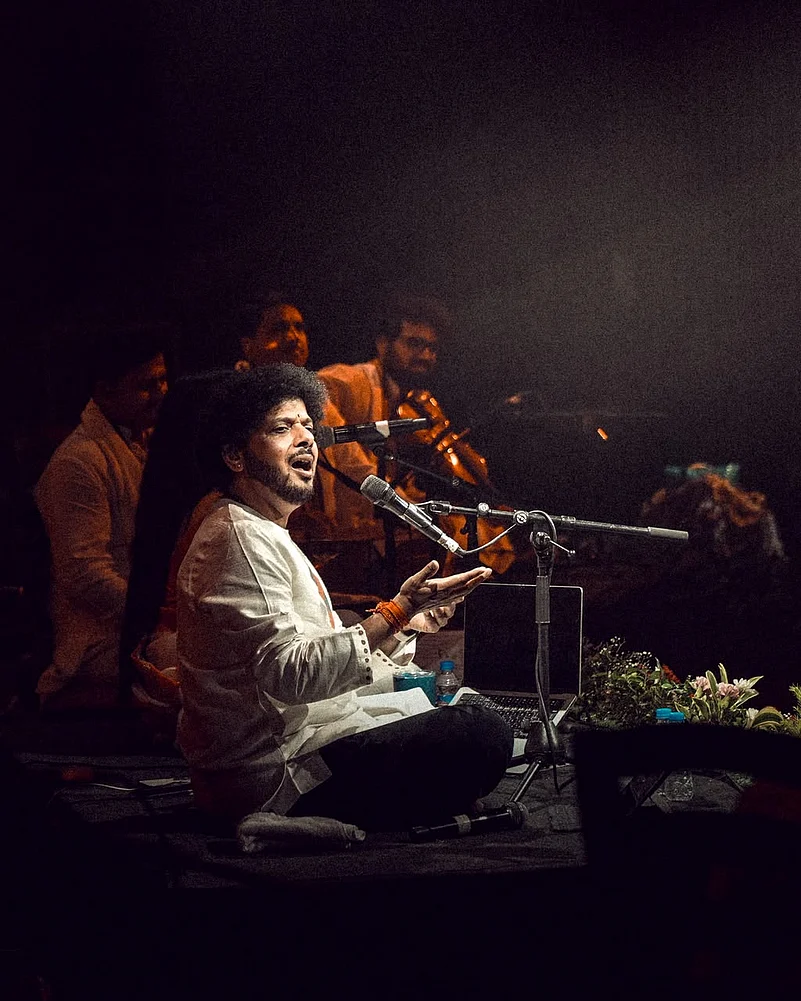
US-based singer Mahesh Kale tours India every July and August to hold his popular ‘Abhangwari’ concerts.
The popularity of abhangs outside Maharashtra is a relatively new phenomenon.
For more than a decade, Mahesh Kale has been leaving his home in California to travel to India in the months of July and August every year to tour the country for his ‘Abhangwari’ concerts. In Delhi, at Kale’s recent concert at the Bharat Mandapam auditorium seating over a thousand, nearly 50 per cent of the listeners were non-Maharashtrian, proving that the popularity of abhangs is no longer confined to those who understand the lyrics. Kale says, “When you are actually in the act of devotion, and you can bring people into that zone. Language is no longer a barrier, it is a facilitator. As long as the context of the Sant Sahitya is understood, the feeling is so universal it touches a chord with everyone. Not just within India but in Australia, Japan, Singapore, Scotland, everywhere…We sometimes forget that us humans have a lot more in common than not.”
Kale’s abhang concerts include visuals. The concerts are preceded by a ceremonial installation of Vitthal’s murti on stage. “I want to share the joy I experience with everyone in the audience,” he says. The joy of the crowd, singing along and breaking into dance towards the end of his concert, was hugely infectious. The hall was sold out a week before the concert.
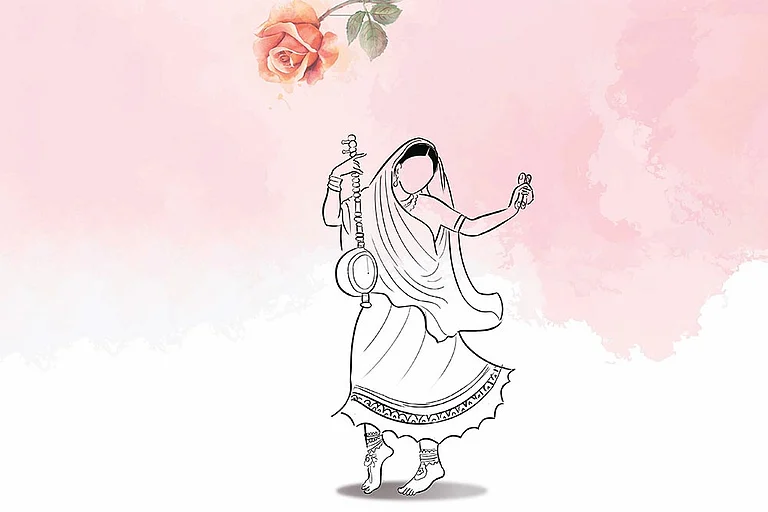
The popularity of abhangs outside Maharashtra is a relatively new phenomenon, dating from about two decades ago. Abhangs represent sagun bhakti (worshipping the divine through a form). Mostly other devotional songs of saints like Kabir are nirguni (worship of the formless divine). Perhaps this is why they are so relatable. Abhang literally means ‘that without end or interruption’. It refers to the singing of verses composed in honour of Vitthal, the Lord of Pandharpur, Maharashtra. The tradition is around 800 years old. The first abhangs were composed by Jnaneshwar (1275-96) and Namdev (1270-1350). Women poets like Janabai and Soyarabai were prolific composers, too. Originally composed only in Marathi, today abhangs are created in Hindi as well. Vitthal, a form of Lord Krishna, is believed to have originated in Karnataka, which perhaps explains the popularity of the genre among classical singers from Karnataka.


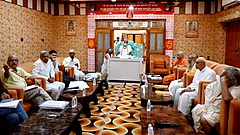

Abhangs are of course sung at any time but are primarily sung during the Pandharpur Yatra, or wari, from all over Maharashtra to Pandharpur. This tradition dates back to the origins of abhang and is still carried out with devotion in the month of sawan, culminating after about 250 km at the Pandharpur temple on Ashadhi Ekadashi, which fell this on July 25 his year.
Kale feels his concerts is his way of participating in the religious fervour “reaching out to Pandurang, feeling His presence”. A few organisers of music concerts have focused on presenting abhang concerts in various cities throughout June and July. These include Mumbai-based Pancham Nishad’s ‘Bolava Vitthal’ and the ‘Abhangvarsha’ series. Though abhang concerts had started as early as in the 1970s – starting with Bhimsen Joshi’s ‘Santvani’ in 1973, including Jitendra Abhisheki; Kumar Gandharva’s ‘Tukaram Darshan’ and Kishori Amonkar’s ‘Tochi Naadi Suswara’. Lata Mangeshkar’s abhang recordings were very popular too, and perhaps more than any other singer, she popularised abhangs among a much wider audience.
But it was only after 2005, with the sold-out ‘Bolava Vitthal’ concert in Mumbai by Kishori Amonkar that abhang concerts became prolific all over Maharashtra. Today, more than 200 concerts are held annually. ‘Bolava Vitthal’ concerts have been held in 35 cities in 11 states over the last 21 years.
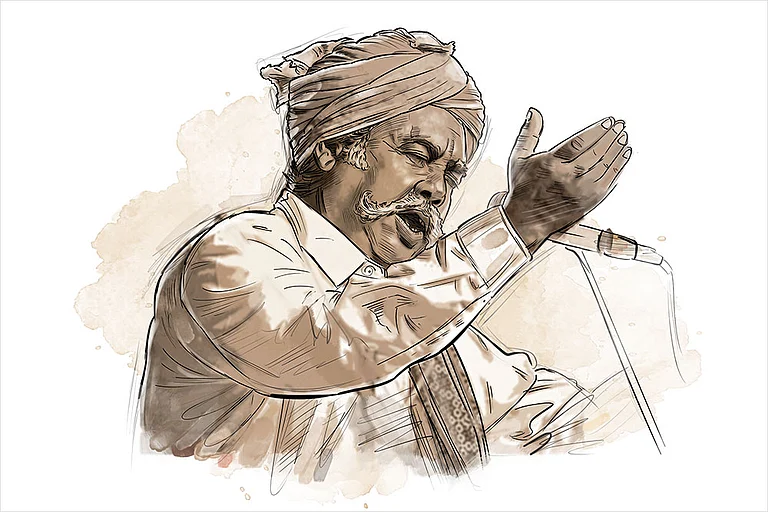
Shashi Vyas of Pancham Nishad shares, “Not every singer can sing ‘abhang’. It requires a certain bent of mind. You need to understand lyrics, emotion and music. Prahlad Shinde (1933-2004) was a singer who really moved you. In my mind, there are five immortal abhang singers, from the classical tradition: Ram Phatak, (Ramchandra Krishnaji Phatak), Bhimsen Joshi (he only sang compositions of Ram Phatak), Kishori Amonkar, Jitendra Abhisheki and Shrinivas Khale.” Today, popular abhang singers include Rahul Deshpande, Jayateerth Mevundi, Shounaq Abhisheki, Ranjani Gayatri, Aruna Sairam and of course Kale. Incidentally, Kale is Abhisheki’s disciple.
Of the thousands of compositions, only a few (under 50), are repeatedly sung. Each of the greats has given their own interpretation to these classics and brought their own musical imagination to the inspirational verses. But the popularity of abhang singers like Amonkar who only sang her own compositions and Abhisheki, who also sang many of his own creations, proves that it is not merely familiarity with the melody that attracts audiences.
The participatory format of abhang concerts, with the audience encouraged to sing along, ensures that the younger generation will remain linked with these concerts. Kale tries to elevate the experience of his audiences; his goal is to encourage them to experience the yatra, not just listen to the music. There is a story-teller who intersperses each abhang with an anecdote from earlier yatras. In south India, these are delivered in English.
(Shailaja Khanna is a musician and a freelance writer on the arts)