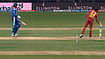
A new VAR protocol caused Breel Embolo to be the first World Cup player sent off for "mistaken identity" simulation
The rule now lets referees retroactively fix card errors, ensuring the correct player is penalized
This sets a major precedent, increasing pressure on players to avoid diving in high-stakes matches
The FIFA World Cup 2026 witnessed a historic moment of officiating during the quarter-final clash between Argentina and Switzerland, as Swiss forward Breel Embolo became the first player to be sent off under a newly implemented "mistaken identity" VAR protocol. The decision, which fundamentally altered the trajectory of the match, has sparked widespread debate regarding the balance between technological accuracy and the spirit of the game.
Why Was Breel Embolo Sent Off?
Embolo was dismissed in the 72nd minute following a VAR review that exposed a clear act of simulation. Initially, the referee had issued a yellow card to Argentina’s Leandro Paredes for a perceived foul on Embolo. However, video evidence revealed that Embolo had begun his fall before any contact was made with the Argentine midfielder.
Because Embolo had already received a caution earlier in the match, the reversal of the foul—and the subsequent yellow card for diving—resulted in an automatic second yellow and a red card, forcing Switzerland to play the remainder of the match with ten men.



What Is FIFA's New VAR Rule?
The rule in question allows for the "mistaken identity" protocol to be used in conjunction with VAR reviews. Traditionally, VAR could intervene to correct a clear and obvious error regarding red cards or goals. This updated regulation specifically empowers officials to intervene if a player is cautioned or sent off, but the actual offence was committed by another player—or, as in Embolo’s case, if the initial judgment of the foul was entirely incorrect and requires a shift in who is penalized for the actual infraction (in this instance, simulation).
Why Was This A World Cup First?
While VAR has been a staple of international football for years, this incident marked the first time the "mistaken identity" clause was utilized at a World Cup to rescind a card for one player and issue one to the actual offender involved in the same passage of play. It highlighted a new, more granular level of scrutiny where the video assistant can retroactively "fix" not just the fact that a card was given, but exactly who should have received it, provided a card was initially brandished.
How Does The New VAR System Work?
The system relies on a remote team of video assistant referees who monitor the match via multiple camera angles. If they spot a potential error in a disciplinary decision—such as a case of mistaken identity or a missed act of simulation—they communicate with the on-field referee. If the VAR deems the original decision incorrect, they recommend an on-field review at the pitch-side monitor. The referee then examines the footage and makes a final, binding decision to uphold, rescind, or change the original ruling
Can Referees Still Change Decisions?
Yes, the on-field referee retains the final authority. While the VAR team initiates the review and provides the necessary angles to clarify the incident, the pitch-side monitor process allows the referee to make the ultimate judgment. In the Argentina-Switzerland match, Referee João Pinheiro viewed the replay, rescinded the card against Paredes, and personally issued the second yellow to Embolo, confirming that the power to interpret the laws of the game remains with the official on the grass.
Will This Affect Future Matches?
The incident has set a significant precedent for how disciplinary reviews will be handled moving forward. Coaches and fans alike are now wary of how "mistaken identity" reviews might be triggered by common incidents like simulation. While intended to ensure fairness and punish diving, the controversy surrounding this dismissal suggests that officials will face increased pressure to justify these technical interventions, especially when they fundamentally alter the competitive balance of high-stakes tournament matches.