Rajeev Shukla accused Pakistan of unnecessarily intervening and provoking Bangladesh
Tensions linked to ICC matters have added a political layer to the regional cricketing situation
Debate highlights cricket diplomacy, with India–Pakistan relations again influencing the sport
Tensions around the ICC Men’s T20 World Cup 2026 have escalated into a broader dispute involving multiple cricket boards and political entities. The controversy began when the Bangladesh Cricket Board (BCB) expressed strong safety concerns about playing their scheduled matches in India during the tournament, which is jointly hosted by India and Sri Lanka.
After the ICC rejected Bangladesh’s plea to relocate fixtures outside India on security grounds, Bangladesh ultimately withdrew from the event, leading to Scotland replacing them in the T20 World Cup 2026 lineup.
In the backdrop of these developments, Pakistan’s role has drawn significant attention. The Pakistan Cricket Board (PCB) publicly backed Bangladesh’s position regarding not traveling to India, resulting in uncertainty over Pakistan’s own participation in the World Cup.
Rajeev Shukla on Pakistan’s Involvement in the World Cup Dispute
BCCI Vice-President Rajeev Shukla has weighed in on the controversy, criticising Pakistan’s involvement in the Bangladesh dispute. Shukla said that Pakistan’s interference was unnecessary and that its public backing of Bangladesh was provocative given the delicate nature of the situation.
“Pakistan is intervening in the matter without any reason and provoking Bangladesh… Everyone knows the brutality done by Pakistan on the Bangladeshis, and now they are trying to mislead them, which is completely wrong,” Shukla said on Monday to ANI.
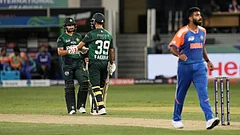


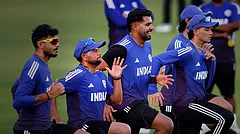
“We wanted Bangladesh to play and we also assured full security, but since they have made this decision, it is very difficult to change the entire schedule at the last moment. This is why Scotland was brought in,” he said.
Reactions Across the Cricketing World
Reactions to Pakistan’s stance have varied. Former Indian cricketer Harbhajan Singh criticised Pakistan for “fishing in muddy waters,” suggesting that the PCB was exploiting the controversy rather than helping resolve it.
This sentiment reflects a broader frustration among Indian fans and former players who view the issue through the lens of both sport and interstate politics.
Meanwhile, voices from Pakistan have also called for unity. Former Pakistan captain Shahid Afridi urged the ICC to “build bridges, not burn them,” highlighting concerns about fairness and the need for greater cooperation in international cricket.