Collection of enumeration forms in urban centres has been “much less” than in rural areas during the ongoing Special Intensive Revision, largely due to work-related absences and migration.
The SIR, under way across multiple states and Union territories.
It aims to update electoral rolls and identify foreign illegal migrants by verifying place of birth.
The collection of enumeration forms from electors in urban areas has been “much less” compared with rural areas during the ongoing Special Intensive Revision (SIR) of electoral rolls in nine states and three Union territories, Election Commission officials said on Friday, citing available trends.
Officials said the most likely reason for the poor return of filled enumeration forms in cities was that many electors were not available at home because of work or professional commitments. Constant migration was identified as another factor contributing to the lower rate of form collection.
In contrast, enumeration form collection by booth-level officials in rural areas was significantly higher than in urban centres.
Cities such as Lucknow, Kanpur and Noida were among those that recorded “much less” form collection, officials said, quoting trends from states where the SIR is currently under way.

They added that a similar pattern was observed in cities, including Patna, during the voter list clean-up exercise conducted in Bihar last year.
Phase II of the SIR began on November 4 in the Andaman and Nicobar Islands, Lakshadweep, Chhattisgarh, Goa, Gujarat, Kerala, Madhya Pradesh, Puducherry, Rajasthan, Tamil Nadu, Uttar Pradesh and West Bengal.



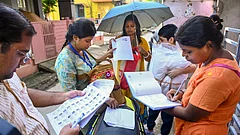
Draft electoral rolls have been published in all states and Union territories except Uttar Pradesh.
In Assam, a separate ‘special revision’ of electoral rolls is currently in progress.
The last SIR conducted in each state will serve as the cut-off date, similar to how the 2003 voter list of Bihar was used by the Election Commission for intensive revision.
Most states last carried out an SIR between 2002 and 2004, and have nearly completed the mapping of current electors based on the most recent exercise held in their respective regions.
The primary objective of the SIR is to weed out foreign illegal migrants by verifying their place of birth. The exercise has gained significance amid crackdowns in several states on illegal migrants, including those from Bangladesh and Myanmar.