Around 100 villagers in Nayagaon Panchkhutti, Khagaria district, fell ill late on February 17, 2026, after eating prasad during Maha Shivratri puja, with symptoms of vomiting, nausea and stomach pain emerging quickly.
Health teams provided immediate treatment at the scene and local facilities; Medical Officer confirmed suspected food poisoning from the prasad, and all patients are now stable with no deaths or severe cases reported.
Authorities are investigating the cause (likely contamination or poor hygiene in preparation); the episode renews focus on food safety risks during festival prasad distribution in rural community events across Bihar.
Nearly 100 people, including several children, were taken ill after consuming prasad distributed during Maha Shivratri festivities in Bihar's Khagaria district on the night of February. The mass illness occurred in Nayagaon Panchkhutti village under Parbatta block, where villagers had gathered for the late-night Shivratri puja and shared the holy offering.
Symptoms included vomiting, nausea, abdominal pain and dizziness begins appearing within a short time of consumption, prompting alarmed families to seek medical help. A rapid response team from the local Primary Health Centre and additional medical staff from nearby facilities reached the spot and provided on-site treatment, including oral rehydration and necessary medication. Medical Officer In-charge Dr. Kashish confirmed the cases as suspected food poisoning linked to the prasad.
"All the affected individuals have been stabilised. Their condition is now stable and they are out of any immediate danger. No serious complications or fatalities have been reported," Dr. Kashish said. Most patients were discharged after observation, while a few with persistent symptoms were kept under watch overnight.


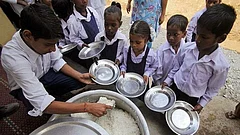

The prasad — commonly consisting of sweets (peda, laddoo), fruits, puffed rice and other items prepared in large quantities for community distribution — is believed to have been the source of contamination. Preliminary suspicion points to possible bacterial growth due to improper storage, unhygienic preparation or use of substandard ingredients during the rush of festival preparations.
Local administration and health officials have launched an inquiry to determine the exact cause and have appealed to residents to exercise caution with shared food items during religious events. The incident has once again highlighted recurring challenges of food safety at mass gatherings in rural Bihar, where large-scale prasad distribution often occurs with limited hygiene controls.