






Nitin Gadkari said higher ethanol blends may marginally reduce vehicle mileage due to lower calorific value.
The minister dismissed claims that E20 fuel causes engine damage, calling them a "false narrative."
He said tests by ARAI and automakers cleared the nationwide rollout of E20 petrol.
Union Road Transport and Highways Minister Nitin Gadkari said that vehicles may see a slight drop in fuel efficiency but maintained that the impact is generally marginal and rejected claims that E20 fuel is causing widespread engine damage.
In a conversation with Indian Express, Gadkari addressed the concern on vehicular performance as the country moves towards higher ethanol blends and acknowledged that ethanol's lower calorific value can reduce mileage compared with conventional petrol. However, he said fuel efficiency depends on several factors, including driving conditions, and the impact of E20 is not significant in most real-world situations.
Referring to tests conducted by the Automotive Research Association of India (ARAI), he said, “for vehicles specifically built with flex-fuel engines, there is no problem with mileage efficiency. That is why we are also working on (pushing) flex-engine technology.”

Engine Damage Claims 'Overblown'
The minister dismissed claims that E20 fuel is damaging vehicle engines, describing such reports as a "false narrative."
He said the E20 programme was introduced only after extensive testing by ARAI and vehicle manufacturers. According to Gadkari, investigations into some reported cases found fuel adulteration, not ethanol blending, to be responsible for the problems.


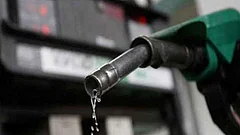
“Show me a single car that has suffered damage because of E20 fuel. What is being circulated on social media is part of a concerted false narrative,” he said.
He also said manufacturers have been advised to replace certain components in older vehicles, such as washers, during routine servicing wherever required, without imposing additional costs on customers.
“For older cars going for servicing, the washers used to be made of metal. Now they are (made of) rubber. During servicing, we have instructed vehicle manufacturers to replace those washers at no extra cost for the consumer. In my knowledge, no cars have broken down. When it comes to performance, ethanol is proven to be better; it has much better anti-knocking properties and a high octane number. I have been advocating for ethanol as an alternative since 2004,” he told Indian Express.

West Asia Crisis Shown That All Alternatives Need To Be Explored
Gadkari said the recent tensions in West Asia have shown that the all alternatives to fossil fuel imports need to be explored.
He cited an example from Karnataka, where Ashok Leyland and the Karnataka State Road Transport Corporation operated buses using a 15% methanol-diesel blend for three months before developing dedicated methanol engines for commercial vehicles.
He also noted that Assam Petro-Chemicals currently produces around 700 tonnes of methanol a day at a significantly lower cost than diesel, arguing that alternative fuels can both reduce import dependence and lower operating costs.
“Methanol can be used for trucks and buses in the North East, and it is also the best fuel for marine engines. For water transport in Brahmaputra and for barges going to Bangladesh, we can use marine engines running on methanol to save on diesel and petrol. Through bamboo refineries, we can produce ethanol and also methanol, allowing buses, trucks, and construction equipment in the North East to run on methanol instead of diesel,” he told Indian Express.
Last week leading automobile manufacturers and energy experts also defended E20 ethanol-blended petrol programme, saying years of scientific testing have found no evidence that the fuel causes engine damage or abnormal wear, including in vehicles manufactured before the E20 mandate.
















