



Vehicles running on E20 petrol face a slight fuel efficiency reduction (about 1–2% for compliant vehicles) because ethanol contains less energy per litre than pure petrol
Newer vehicles in India are built to handle E20, but older, uncalibrated cars and two-wheelers are more sensitive and may experience a higher mileage drop or long-term component wear
The Indian government maintains that this small drop in mileage is fully justified by the broader benefits of cutting expensive crude oil imports, supporting local farmers, and lowering carbon emissions
India’s shift towards E20 petrol has revived concerns among vehicle owners over whether higher ethanol blending reduces fuel efficiency and affects engines. Petroleum Minister Hardeep Singh Puri on Thursday acknowledged that mileage may fall slightly with ethanol-blended fuel, but said several factors influence real-world performance and dismissed wider claims of damage or insurance-related problems.
The government has accelerated the Ethanol Blended Petrol programme as part of efforts to reduce crude oil imports, support farmers and cut carbon emissions. E20 petrol contains 20 per cent ethanol and 80 per cent petrol.

How Much Mileage Can E20 Reduce?
Ethanol contains less energy per litre than conventional petrol. As a result, vehicles running on E20 can deliver marginally lower mileage compared with pure petrol or lower ethanol blends.
Industry estimates have suggested that E20 could lead to a fuel-efficiency reduction of around 1 to 2 per cent in vehicles designed for the blend. Older vehicles, which were not specifically calibrated for E20, may see a somewhat higher reduction depending on engine condition, driving patterns and maintenance.


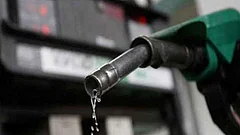

Puri said mileage may decline “a little”, but argued that it cannot be attributed only to ethanol blending. Traffic congestion, tyre pressure, air-conditioning use, road conditions, vehicle servicing and driving habits also affect fuel consumption.
Why Does Ethanol Affect Fuel Efficiency?
The key reason is ethanol’s lower calorific value. A litre of ethanol produces less energy when burned than a litre of petrol. Therefore, an engine may require slightly more fuel to cover the same distance.
Puri noted that ethanol is also used in racing cars, where acceleration and anti-knock performance are important. “Acceleration improves. What is that called? Knocking? Knocking also improves,” he said while responding to criticism of E20 fuel.
Which Cars And Bikes Are Most Affected?
The impact is likely to be more noticeable in older cars and two-wheelers that were manufactured before E20-compatible materials and engine calibrations became common. Ethanol can absorb moisture and may affect certain rubber, plastic and metal components over a long period if vehicles are not designed for higher blends.
Newer vehicles sold in India are increasingly E20-compliant, with manufacturers modifying fuel systems, seals and engine settings to handle the blend. Owners of older vehicles are advised to follow manufacturer guidance and ensure regular servicing.
Two-wheelers may be more sensitive because of smaller engines and lower fuel tanks, though the actual effect varies across models.
What Has The Government Said?
Puri said the E20 rollout followed consultations with stakeholders, including the Society of Indian Automobile Manufacturers and the Automotive Research Association of India. He also rejected claims that insurance coverage would be invalidated because of ethanol-blended petrol.
“Insurance companies have already clarified that there is no such issue,” he said, adding that India would move beyond E20 only after necessary testing.
The minister said there was room for electric vehicles, hybrid vehicles, CNG, biofuel-blended vehicles and other technologies in India’s expanding transport market.
Is The Trade-Off Worth It?
The government sees ethanol blending as a strategic measure to reduce dependence on imported crude oil and create an additional market for sugarcane and grain-based ethanol. The push has gained importance amid recent global crude price volatility linked to the Middle East crisis.
Puri said oil marketing companies recorded under-recoveries of Rs 1.88 lakh crore on petrol, diesel and LPG during April-June 2026 as crude prices surged. While E20 may result in a small mileage loss, the government argues that the broader gains in energy security, farm income and cleaner fuel use justify the transition.















