India-Japan Annual Summit strengthens defence, trade, energy and technology cooperation.
India and Japan condemn Pakistan-backed cross-border terrorism, reaffirming strategic partnership.
Leaders back UNSC reform, UNICORN project and 2027 high-speed rail operations.
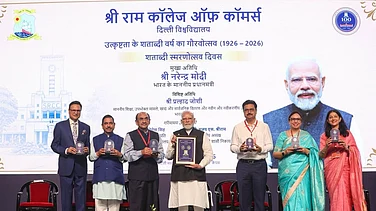
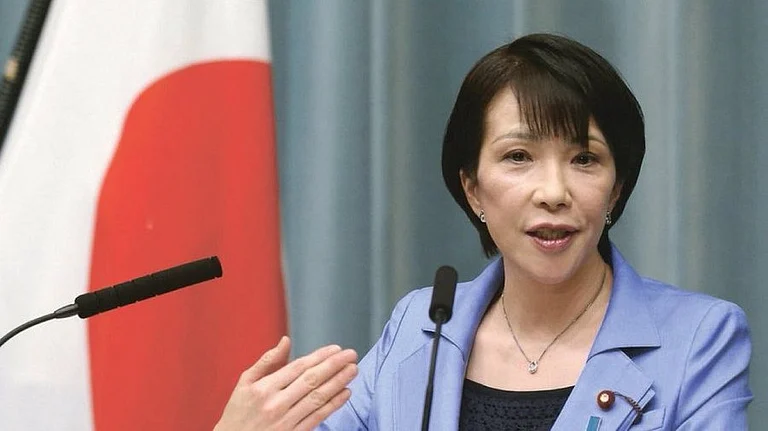
India and Japan have reaffirmed their Special Strategic and Global Partnership across defence, energy, technology and trade at the 16th India-Japan Annual Summit held in New Delhi on Wednesday, with Japanese Prime Minister Sanae Takaichi making her first official visit to India since taking office.
Prime Ministers Narendra Modi and Takaichi agreed to advance cooperation across three priority areas: defence and security, economic partnership including energy resilience and technology, and people to people exchanges. Both leaders described India and Japan as natural and indispensable partners in an increasingly volatile geopolitical environment, and issued a joint declaration on economic security cooperation covering semiconductors, critical minerals, information and communication technology, clean energy and pharmaceuticals.
On defence, both sides confirmed that an agreement in principle had been reached on the remaining technical details of the Unified Complex Radio Antenna, or UNICORN, project, and directed their ministers to hold the fourth round of the two plus two ministerial meeting in Tokyo before the year's end. Japan welcomed the Make in India framework for defence equipment and technology cooperation, while Modi welcomed Tokyo's review of its three principles on the transfer of defence equipment.
Energy security featured prominently in the talks, with both leaders stressing the importance of unimpeded navigation through the Strait of Hormuz and opposing any measures restricting commercial shipping. Takaichi expressed support for India's membership of the International Energy Agency, while both sides welcomed a new cooperative biogas initiative aligned with India's target of establishing one thousand biogas plants. A clean ammonia project in Odisha was reaffirmed, alongside cooperation on green hydrogen and solar technologies.


On infrastructure, both leaders reaffirmed the Mumbai-Ahmedabad High Speed Rail project as the flagship bilateral initiative, with Japan backing India's target to commence commercial operations on priority sections in 2027. Both sides also agreed to explore cooperation on India's planned seven thousand kilometre national high speed rail network.
In a jointly issued political signal, the two leaders condemned cross-border terrorism from Pakistan in the strongest terms, referencing both the Pahalgam attack of April 2025 and a terror incident in Delhi in November 2025. They also expressed mutual support for each other's bids for permanent seats on a reformed United Nations Security Council, calling for text based negotiations to begin without delay.