E85 fuel contains 80-85% ethanol and is meant only for specially designed flex-fuel vehicles.
The government clarified that existing petrol and E20 vehicles will continue functioning normally.
E85 is being promoted to reduce oil imports, cut emissions and strengthen India’s energy security.
The launch of E85 fuel by the Union government has triggered widespread confusion on social media, with several viral claims suggesting that normal petrol and diesel supplies would soon be discontinued and vehicle owners would be forced to shift to E85 fuel.
However, Hardeep Singh Puri has clarified that E85 fuel is meant only for a specific category of vehicles and will not replace regular petrol for existing vehicles

What Is E85 Fuel?
The Ministry of Petroleum and Natural Gas launched E85 fuel on World Environment Day as part of India’s push towards cleaner and alternative fuels.
The key difference between E20 and E85 lies in ethanol concentration.
While standard E20 petrol contains up to 20% ethanol blended with 80% conventional petrol, E85 contains around 80-85% ethanol mixed with 14-19% petrol.
The government says higher ethanol blending helps reduce greenhouse gas emissions and lowers dependence on imported crude oil.
According to official estimates, shifting to E85 can reduce greenhouse gas emissions by nearly 61% compared to conventional fossil fuels.




Can Existing Vehicles Use E85 Fuel?
No. Existing petrol vehicles and standard E20-compatible vehicles cannot run on E85 fuel.
E85 is designed specifically for flex-fuel vehicles (FFVs), which are specially engineered to operate on high ethanol blends ranging from E20 to E100.
To encourage adoption, the government has priced E85 fuel nearly ₹20 per litre cheaper than regular petrol. In Delhi, E85 is currently priced at ₹82.12 per litre.
Amid fears that older petrol vehicles could become unusable, Hardeep Singh Puri said regular petrol and E20-compatible vehicles would continue operating normally.
“Your E20 vehicle will run for a long time… E20 and E85 are fuels from two different categories, designed for different types of vehicles,” Puri said.
He added that the introduction of E85 does not mean conventional petrol or E20 fuel will be phased out.
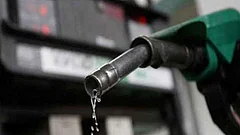
According to the minister, fuel stations dispensing E85 will prominently display notices stating “E85-compliant cars only”.
Puri also highlighted that countries like Brazil have been using high-ethanol fuels for decades.
The government says expanding ethanol fuel usage will help, reduce India’s crude oil import dependence, increase farmers’ income through ethanol production, lower vehicular emissions and improve long-term energy security.
Puri also said India is now producing indigenous flex-fuel vehicles that support the transition towards cleaner fuels.