Farmers from Narmadapuram and surrounding districts continue their agitation on the Bhopal-Narmadapuram highway after being stopped by police.
Core demands include 100% procurement of moong at Minimum Support Price (MSP) and scrapping of the e-token system for fertilisers.
Protesters say they have come prepared with rations for seven days and will remain until the government accepts their demands.
The designated fast-track court hearing cases related to paper leaks and other unfair means in public examinations on Wednesday (July 29, 2026) took on record the Central Bureau of Investigation’s (CBI) chargesheet in the NEET UG 2026 paper leak case. Special Judge Anu Grover Baliga accepted the agency’s final report against 13 accused and granted the CBI three days to file the accompanying annexures.
The CBI informed the court that nearly 20,000 pages of annexures are currently being scanned and will be submitted within the stipulated period. The matter has been listed for further proceedings on August 3.
In a related development, advocates V K Pathak and Arjun Anand have been appointed as the CBI’s public prosecutors in the case following the court’s direction to the prosecution to make the appointments.
The CBI had filed its chargesheet on Tuesday against 13 accused persons. The list includes three paper experts, two individuals associated with coaching centres, several middlemen, and beneficiary candidates who allegedly gained from the leaked question paper. The chargesheet invokes multiple provisions of the Bharatiya Nyaya Sanhita (BNS), including those related to criminal conspiracy, cheating, criminal breach of trust, and destruction of evidence. The accused have also been booked for alleged criminal misconduct under the Prevention of Corruption Act and for offences under the Public Examination (Prevention of Unfair Means) Act, 2024.
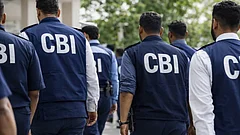



The NEET UG 2026 paper leak controversy has triggered widespread protests across the country, with students and activist groups demanding accountability, systemic reforms in examination processes, and the resignation of the Union Education Minister. The case has been under intense public and political scrutiny for weeks, with the CBI’s investigation focusing on the chain of leakage, the role of intermediaries, and the involvement of candidates who allegedly benefited.
The establishment of a dedicated fast-track court for paper leak cases reflects the judiciary’s and the government’s emphasis on expediting trials in examination-related offences, especially after the enactment of the 2024 law aimed at curbing unfair means in public examinations. The court’s decision to take the chargesheet on record marks a significant procedural step forward in the high-profile investigation.
Further hearings are expected to examine the evidence in detail once the complete set of annexures is placed on record. The outcome of the case is being closely watched by students, education stakeholders, and the political establishment, given the scale of the alleged irregularities and the broader implications for the credibility of national-level entrance examinations.
As the legal process advances, the CBI continues its probe into residual aspects of the conspiracy, while the fast-track court prepares to move into the next phase of proceedings scheduled for early August.