9 Temples to Heaven marks Sompot Chidgasornpongse's first fiction feature.
The film follows a family on a road trip, passing through nine temples in the wake of a supposed prophecy.
Backed by Apichatpong Weerasethakul, the drama premiered in Directors' Fortnight strand at Cannes Film Festival 2026.
With his fiction feature debut, 9 Temples to Heaven, Thai filmmaker Sompot Chidgasornpongse delivers one of those restful epics that infuses cinema with shivering, incandescent possibility. It’s conversationally driven, yet there’s a depth of quiet maturity seeping through each exchange. Drenched in a restorative quality, the film moves with deliberate care. No scene scurries along, but each moment is finely distilled. A family ensemble piece like this is fertile territory. Opportunities arise for the entire mould of parents, children and relatives to come under the scanner. Chidgasornpongse may not skewer, but goes steadily mining for the fractures, slips and distance. A deep love for his characters underpins the muted observation. Premiering in Directors’ Fortnight at Cannes 2026, 9 Temples to Heaven travels through hesitation, denial and acceptance while confronting mortality and change.
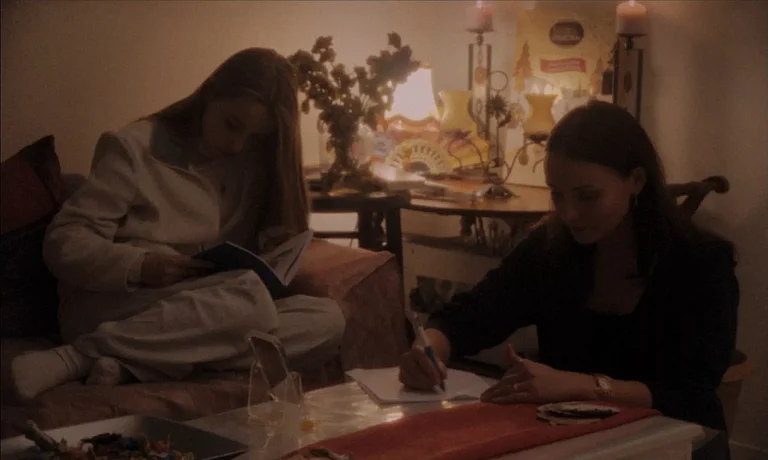
A trip is baked into the central conceit. The middle-aged Sakol (Surachai Ningsanond) is stricken by an omen heralding his mother’s (Amara Ramnarong) death. Just weeks from her birthday, he sets out on visiting nine temples to collect merit and waive off the fear. He’s taking his family along. His mother drifts in and out, disinterested and barely disguising the inconvenience. She’s not at all chuffed about the trip. By the window, she sits, unbudging, looking out and appraising how the city has changed. Sakol has assembled this plan for easing his conscience, tempering his inner hollow. But has he considered what his mother would truly prefer? The tide of her mumbling disfavour emerges in waves, subsiding to absolute silence at times. The narrative pieces together scenes transpiring in a day’s span.




The group of nine shifts between a van, where Sakol’s mother stays a fixture, and a car. The journey becomes an inevitable exercise in testing familial ties, some stronger than the others. Some cold, dismissive judgement has crept in between parent and child. Sakol has to weather insinuations that he’s doing the trip only on his boss’ suggestion. He has a habit of following his boss much too ardently. Noticing this hasn’t escaped his family. Even one of the monks questions the reliability of the boss’ vision that propels Sakol. Tor (Sompop Songkampol) doesn’t subscribe to such rituals at all. The entire quest of building merit strikes him as a sham. He scoffs at the Buddha’s elitism, calling out the trip’s purpose pointless. Karma holds no significance for him.
The family hops from one temple to the other, lavish to modest, depositing offerings and essentials for the monks. Jonathan Ricquebourg’s camera ambles from the unit to take in the magnificence of temple murals. There’s a vivid sense and sweep of history and posterity alike, even while Chidgasornpongse anchors us firmly in an active present-ness. There’s an almost mythic arch towering above the more grounded scenes, each intricate mural a window into a philosophy caught at loggerheads between disparate generations. Sakol dreads what’s to come. The pilgrimage is a disconsolate, dire plan to assert his residual control over fate. But the vagaries of fate heed no one.

9 Temples to Heaven acknowledges and rewards the art of quiet attentiveness. It’s a humble, tender call to give ourselves over fully to the moment. Life hurls constant surprises, violent, hurtful and tragic. How do we find our centre, our equilibrium within the fray, the noise? We keep switching, hurrying, fidgeting in our narrow lanes. There’s constant disarray. We are perennially caught in a cesspool of disaffection. The film calms those nerves, the slapdash desires, the distractions flooding wherever our gaze darts. It tells us to be still, soak in what’s at hand. It’s an appeal to be receptive to the gift of inhabiting the daily mundane, accept it as a privilege. “You need to stay mindful at all times”, a monk exhorts the family. The mind and body are to be woven together. Frantic tussle of our lives is to be concentrated onto simple acts. The monk’s softly urging words propose a radical perceptiveness to the fleeting. Through this, we may perhaps find some rescue, a shard of healing.
A delightfully unfussy, unsentimentally perceptive road trip film, it recognises and traces the many generations piled together on the pursuit, how they clash and come to a reckoning. Differences abound. There may be a hint of grudges, but Chidgasornpongse isn’t too interested in bitterness. This isn’t one of those films that tapers into escalating rows and dramatic showdowns. 9 Temples to Heaven is wiser in picking on psychology in a group configuration. The editing team, that includes the director along with Tham Kattiyakul, Jirapat Mekkrajai and Daniel Hui, allows scenes to breathe, blossom and gain a meditative soulfulness. A sudden moment, with an eclipse interrupting and the frame erratically clouding over, is a stunning trick, infusing mystery and an otherworldiness. The trip is a rare chance for the family to huddle together despite differences and conflicts. The tone darkens at times, catching us unawares. Koon (Poon Sirapob), who’s about to move abroad for his studies, confesses to depressive episodes. Some are more transparent than others in sharing their vulnerable selves. The film vigilantly whets a language of intimacy and thoughtfulness, biding its time for the imminent. 9 Temples to Heaven hums along in its hefty runtime, whilst maintaining a deceptive lightness. As the day dims, it wends toward the sense of an ending, a form of closure–a journey, a life.