Blokecore has turned football jerseys into a global fashion trend
Retro classics like Brazil 2002 and Nigeria 1994 are back in style
Germany, Mexico, and Japan have some of the standout kits of World Cup 2026
The FIFA World Cup has always been football's biggest stage, but in 2026, it has become fashion's biggest runway too. From celebrities wearing vintage football shirts to fans styling jerseys with baggy denim, Adidas Sambas, and oversized jackets, "blokecore" has officially taken over the tournament.
What started as a niche internet aesthetic inspired by 1990s football culture has evolved into a global fashion movement, turning national team jerseys into statement pieces worn far beyond the stadium.
This year's FIFA World Cup feels different. Jerseys have become cultural canvases, fashion collectibles, and social-media currency. Across North America, fans have been treating matchdays as style showcases, proving that football and fashion have never been more connected.
Why Blokecore Is Dominating the World Cup
The resurgence of football shirts in everyday fashion has been impossible to ignore. Celebrities, influencers, and streetwear enthusiasts have embraced retro jerseys as wardrobe staples, while the World Cup has accelerated the trend even further.
The appeal lies in authenticity. Unlike many fashion trends, football jerseys carry history and nostalgia. Wearing a national team shirt today says as much about cultural appreciation as it does about football fandom. The look is intentionally simple, an oversized jersey, loose-fitting shorts or jeans, crew socks, and classic sneakers, but its cultural impact has been enormous.

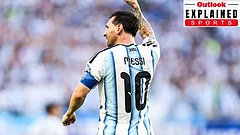


For many younger fans, the World Cup has become as much about showcasing personal style as supporting their country.
The Retro Jerseys Making a Comeback
No discussion about blokecore is complete without the retro football shirts that inspired the trend in the first place. Across FIFA World Cup 2026 fan parks and social media feeds, vintage jerseys have become almost as common as current kits.
Among the most sought-after are Germany's iconic Italia '90 shirt, Nigeria's unforgettable 1994 World Cup jersey, Brazil's 2002 World Cup-winning kit, Argentina's Maradona-era 1986 stripes, and England's classic Euro '96 shirt. Fans have also revived Mexico's legendary 1998 Aztec-inspired jersey, France's 1998 World Cup-winning kit, and Croatia's memorable checkerboard design from the same year.
What makes these shirts special is that they represent moments bigger than football. They evoke legendary players, unforgettable goals, and tournaments that defined generations. In the age of blokecore, wearing a vintage Ronaldo Nazario Brazil shirt or a Diego Maradona Argentina jersey has become both a fashion statement and a tribute to football history.
The Jerseys Everyone Wants to Wear
Among the current World Cup kits, a few designs have emerged as clear winners in the fashion conversation.
Germany's home shirt has earned widespread praise for its clean aesthetic and timeless look. Mexico's home jersey continues to stand out with its rich green palette and cultural influences, while Japan's away kit has become a favorite among fashion enthusiasts thanks to its minimalist design language.
Canada's black away shirt has developed a cult following, Norway's sleek design has gained traction on social media, and Argentina's latest kit remains one of the most wearable jerseys of the tournament. These shirts have succeeded because they look just as good at a café or music festival as they do in a stadium.
When Jerseys Become Cultural Storytelling
Several teams have used their jerseys to celebrate national heritage, local art, and cultural identity. Cape Verde's design references the connections between its islands, while Colombia's shirt draws inspiration from the magical realism associated with Nobel Prize-winning author Gabriel Garcia Marquez. Iran's kit highlights the endangered Asiatic cheetah, and Saudi Arabia incorporates architectural influences and traditional motifs.
These details transform jerseys into wearable history lessons, giving fans a deeper connection to the nations they represent.
Why Everyone Is Wearing Pink
While jerseys have dominated conversations, another trend has quietly taken over the tournament, pink.
From goalkeeper kits to boots worn by some of football's biggest stars, bright pink has become one of the defining colors of FIFA World Cup 2026. The shade stands out on television broadcasts, pops on social media, and reflects football's increasingly expressive culture. The result is a World Cup where fashion and football have never been more intertwined.