Kerala fears PM SHRI could indirectly push the National Education Policy (NEP) in the state
The state joined the scheme mainly to access central education funds and avoid financial losses
Kerala insists that its curriculum and school selection decisions must remain under state control
The newly formed UDF government in Kerala has found itself at odds with the Centre over education policy. The latest flashpoint is the PM Schools for Rising India (PM SHRI) scheme, a flagship programme launched by the Union government to upgrade schools across the country.
While several states across the country have signed on, Kerala has expressed reservations, as critics argue that the participation is linked to the implementation of the National Education Policy (NEP) 2020.

What Is PM SHRI And Why Was It Created?
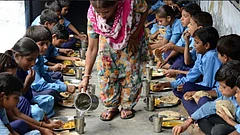
Launched in 2022, PM SHRI aims to transform selected government schools into model institutions equipped with modern infrastructure, smart classrooms, digital learning tools and improved teaching practices. The scheme seeks to showcase the objectives of NEP 2020 and create schools that can serve as examples for others.
Why Does The Centre Want States To Join PM SHRI?
The Union government views PM SHRI as a key vehicle for implementing educational reforms envisioned under the NEP. By upgrading schools and promoting innovative teaching methods, the Centre hopes to improve learning outcomes and create a uniform framework for quality education across states.

While on the other hand, critics argue that it not only encourages the implementation of the National Education Policy (NEP) but would also impose the education agenda of the RSS on schools in Kerala.

Why Is Kerala Hesitating?
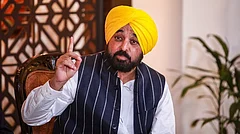
Although the UDF government has said that it will continue with the project in Kerala but the Chief Minister V D Satheesan has highlighted that the policy decision was being done not out of conviction but because of compulsion.
It is pertinent to note here that Kerala had signed the MoU with the Centre on October 16, 2025 when the LDF was in power, without prior Cabinet approval or consultation with the LDF allies including the CPI which had created a huge political storm back then.
The CM said clarified that after the government became a signatory to the PM-SHRI scheme, Kerala had received Rs 207 crore of the blocked funds, in two installments of Rs 99 crore and Rs 106 crore.
However, he clarified that its implementation is subject to the conditions that the Centre will not interfere in the State's education curriculum and that the State government will have the freedom to choose the schools in which it will be implemented.
Is This Really About Schools Or About Politics?
The dispute has quickly acquired political overtones. The BJP in the past accused Kerala's Left government of denying students the benefits of central assistance for ideological reasons.
But now when the UDF is in power, the LDF has taken a jibe and said that the decision to go ahead with PM SHRI scheme shows that it's a 'Congress-BJP deal'.
Could Kerala Lose Central Funding?
The Centre in the past has indicated that states declining to join PM SHRI may not receive funds earmarked under the scheme.
As of now, Kerala had already received Rs 207 crore of the funds while it is entitled to nearly Rs 1200 crore under the Sarva Shiksha Abhiyan (SSA) scheme.
"This is not a favour bestowed on us by the Centre. It is our right," the CM said, pointing towards the economic rationale behind going ahead with the scheme.
Have Other States Also Opposed PM SHRI Or NEP?
States such as Tamil Nadu and some opposition-ruled governments had raised concerns over various aspects of the NEP, including language policy, curriculum changes and the balance of powers between the Centre and states. However, many states have chosen to participate in PM SHRI while continuing to voice concerns about specific provisions.
Who Actually Controls Education In India?
Education falls under the Concurrent List of the Constitution, making both the Central and State Governments to legislate and make policies regarding education.
The PM SHRI controversy highlights a larger debate about federalism, educational autonomy and the extent of the Centre's role in shaping India's school system.