Maintaining pure petrol, E10, and E20 simultaneously at over 1 lakh outlets would create massive logistical challenges.
Increased handling costs, complicated inventory, and reduced efficiency highlighted by the ministry.
Statement comes as government continues ethanol blending programme for E20 targets.
The Petroleum Ministry on Friday pushed back against suggestions to stock multiple grades of petrol, pure petrol, E10, and E20, at every retail outlet, calling the idea impractical given India’s vast fuel distribution network.
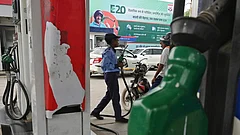
In a detailed statement, the ministry noted that the country operates more than one lakh retail outlets, backed by an extensive infrastructure of refineries, terminals, depots, and pipelines. “The suggestion that every petrol pump should stock pure petrol, E10 and E20 simultaneously also ignores the realities of India’s fuel distribution network,” it said.
Maintaining three separate grades of base petrol across this huge supply chain would create enormous logistical challenges, significantly increase handling costs, complicate inventory management, and reduce overall operational efficiency, the ministry explained.
The remarks come as the government continues to promote higher ethanol blending in petrol. India has been steadily raising ethanol blending percentages to meet its E20 target (20% ethanol in petrol), aiming to reduce crude oil imports, support farmers, and lower vehicular emissions. However, concerns have been raised about vehicle compatibility and consumer choice, with some calling for availability of unblended or lower-blend options alongside E20.
The ministry’s position underscores the practical difficulties of managing a multi-grade system in a country with one of the world’s largest fuel retail networks. Officials argue that such a move would strain the existing supply chain without commensurate benefits, especially as the industry is already transitioning toward higher ethanol blends.


Current policy focuses on scaling up E20 availability while ensuring compatibility standards for vehicles. Most modern vehicles in India are now designed or retrofitted to handle E20, according to industry and government assessments.