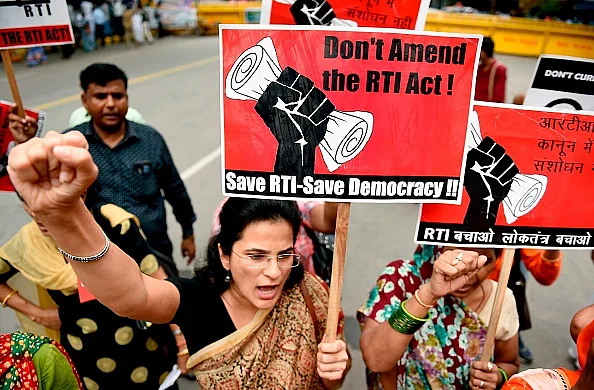
Maharashtra's proposed RTI rules introduce higher fees, mandatory citizenship proof and disclosure of reasons for seeking information.
Transparency activists say the changes undermine the RTI Act by creating new barriers and discouraging scrutiny of government actions.
Critics warn the measures could weaken accountability, reduce public access to information and face legal challenges for contradicting the spirit of the RTI Act.
The Maharashtra government's proposed overhaul of Right to Information (RTI) rules has triggered a wave of criticism from transparency activists, lawyers and civil society groups, who say the changes threaten to undermine one of India's most powerful tools for public accountability.
The proposed rules introduce higher fees for seeking information, require applicants to furnish proof of Indian citizenship and compel citizens to disclose the purpose of their RTI requests. Critics argue that the measures amount to a systematic attempt to make access to government information more cumbersome and intimidating.

For nearly two decades, the RTI Act has empowered ordinary citizens to question public authorities without having to justify why they seek information.
Activists say the government's move to demand reasons for filing RTI applications strikes at the heart of the law's intent. They warn that such a requirement could enable officials to scrutinise applicants' motives, discourage whistle-blowers and create opportunities for arbitrary rejection of requests.
The citizenship proof clause has also drawn sharp criticism. Opponents argue that while the RTI Act already restricts applications to Indian citizens, forcing applicants to submit documentary proof adds another layer of bureaucracy that could delay or deter legitimate requests. Many see the provision as a solution in search of a problem.




Equally controversial is the proposed fee hike. RTI campaigners contend that increasing costs will disproportionately affect ordinary citizens, particularly those from marginalised and low-income backgrounds. They argue that transparency should be made more accessible, not more expensive.

Critics have accused the Maharashtra government of erecting barriers around information at a time when public scrutiny of governance, expenditure and decision-making is more important than ever. Several activists have described the proposed rules as a step backward for transparency and democratic accountability, warning that they could weaken a law that has exposed corruption, inefficiency and misuse of public funds across the country.
As opposition to the draft rules grows, legal experts are examining whether the provisions can withstand judicial scrutiny and whether they are compatible with the letter and spirit of the RTI Act.