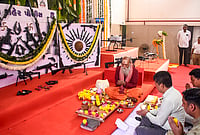
Chaitra Navratri is a sacred nine-day festival dedicated to Goddess Durga and her nine divine forms. Celebrated in the month of Chaitra, it usually falls in March and marks the beginning of the Hindu New Year in many parts of India. While the festival is deeply spiritual, fasting during Chaitra Navratri is also known to offer several physical and mental health benefits.
In 2026, Chaitra Navratri will once again be observed with devotion, prayers, and fasting by millions of devotees. Many people fast as a way to cleanse the body, control the mind, and reconnect with inner balance.
Fasting during Chaitra Navratri is not about starving the body. Instead, it is about eating light, pure, and satvik food that allows the digestive system to rest. When digestion slows down, the body gets time to repair itself, remove toxins, and improve overall metabolism. This is one of the key reasons why people feel lighter and more energetic after Navratri fasting.
From a health perspective, Navratri fasting works like a natural detox. Avoiding heavy, oily, and processed foods helps reset the digestive system. Many people consume fruits, milk, curd, nuts, and vrat-friendly grains like kuttu, singhara, and samak rice. These foods are easy to digest and rich in essential nutrients, which support gut health.
Scientific studies suggest that short-term fasting improves insulin sensitivity and helps regulate blood sugar levels. When you eat less frequently and consume simple foods, the body uses stored energy more efficiently. This process can support weight management and reduce unnecessary fat accumulation.
Another major benefit of Chaitra Navratri fasting is improved immunity. Seasonal changes often weaken the immune system, and fasting during this transition helps the body adapt better. Fresh fruits, nuts, and herbal drinks consumed during fasting provide antioxidants and vitamins that strengthen natural immunity.


Mental clarity is another positive outcome of fasting. When the body is not busy digesting heavy meals, the mind feels calmer and more focused. This is why fasting is traditionally combined with prayer, meditation, and chanting. The reduced intake of stimulants and junk food helps lower stress and anxiety levels.
Fasting also encourages mindful eating habits. People become more aware of what they consume and how much they eat. This awareness often continues even after Navratri, leading to healthier food choices in daily life.
For many devotees, fasting during Chaitra Navratri is also about discipline and self-control. Avoiding unnecessary cravings strengthens willpower and builds emotional balance. It teaches moderation, patience, and respect for the body’s natural needs.
However, fasting should always be done according to one’s health condition. Elderly people, pregnant women, and those with medical issues should choose light fasting or consult a doctor before observing strict fasts. The purpose of Navratri fasting is purification, not physical discomfort.
In conclusion, Chaitra Navratri 2026 fasting is not only a spiritual practice but also a gentle way to cleanse the body and calm the mind. When done correctly, it supports digestion, boosts immunity, improves mental clarity, and promotes overall well-being. It beautifully combines devotion with health, making Navratri fasting beneficial for both body and soul.
Frequently Asked Questions (FAQs) About Chaitra Navratri Fasting
1. Does Navratri fasting help with weight loss?
Yes, by eating clean, unprocessed foods and creating a natural calorie deficit, Navratri fasting can aid in weight management. It also reduces water retention and bloating, making you feel lighter.
2. Why is regular salt not allowed during Navratri?
Regular table salt is chemically processed and refined. Sendha Namak (Rock Salt) is used because it is unprocessed, pure, and highly alkaline, making it easier to digest and better for maintaining electrolyte balance during a fast.
3. Can we drink coffee or tea during the fast?
While moderate amounts of tea or coffee are consumed by some, it is scientifically better to avoid excess caffeine. Caffeine on an empty stomach can increase acidity and dehydrate the body, counteracting the detoxifying benefits of the fast.
4. What is the best way to break the Navratri fast?
Break your fast gently with easily digestible foods like fruits, coconut water, or a light bowl of yogurt. Avoid jumping immediately into heavy, deep-fried, or overly spicy meals, as this can shock your resting digestive system.