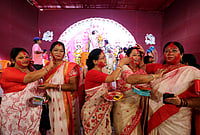
Bohag Bihu, widely known as Rongali Bihu, is the most important and vibrant festival celebrated in the northeastern Indian state of Assam. Marking the beginning of the Assamese New Year, this festival falls in mid-April and brings with it an infectious spirit of joy, renewal, and deep cultural pride.
Unlike Bhogali Bihu (which celebrates the winter harvest), Bohag Bihu welcomes the spring and the agricultural sowing season. In 2026, the grand festival will officially begin on Tuesday, April 14, and conclude on Monday, April 20. Spanning a full week, the festival is a sensory explosion of rhythmic dhol beats, energetic dances, and the tasting of traditional pithas, beautifully uniting the people of Assam regardless of caste or religion.
What is Bohag Bihu?
Bohag Bihu is the first of the three Bihu festivals celebrated in Assam. It coincides with the Assamese month of “Bohag” and usually aligns with Baisakhi and other regional New Year celebrations across India.
This festival is not just agricultural in nature but also deeply cultural, marked by music, dance, and traditional rituals that bring communities together.
When is Bohag Bihu Celebrated?
Bohag Bihu is celebrated in April, typically around April 13 to 15 each year. In 2026, it is expected to begin around April 14.
The celebrations usually last for several days, each with its own unique customs and significance.
Significance of Bohag Bihu
Bohag Bihu holds great importance in Assamese culture:
New Year Celebration - It marks the beginning of the Assamese calendar year.
Season of Renewal - The festival welcomes spring, symbolizing growth, fertility, and fresh beginnings.
Agricultural Importance - It signals the start of the sowing season for farmers.
Cultural Identity - Bohag Bihu showcases the rich traditions, music, and dance forms of Assam.
Overall, it is a festival that blends nature, agriculture, and cultural heritage beautifully.
How is Bohag Bihu Celebrated? The 7 Days of Shat Bihu
Bohag Bihu is not a one-day event. It is celebrated over seven consecutive days, collectively known as Shat Bihu, with each day dedicated to a specific tradition:
1. Goru Bihu (April 14 - Cattle Worship)
The first day is dedicated to the livestock that help farmers plough the fields. Cows and bulls are taken to the river and bathed using a traditional paste of black gram and turmeric (Mah-Halodhi). They are gently swatted with Dighloti and Makhiyati leaves to ward off flies and fed a mixture of bottle gourd and eggplant to ensure their health.
2. Manuh Bihu (April 15 - Assamese New Year)
The second day is the actual New Year for the people. Individuals wake up early, bathe using turmeric, and put on new traditional clothes. The most important ritual of this day is seeking blessings from elders and gifting them a Bihuwan or Gamosa (the iconic red-and-white Assamese handwoven cloth) as a mark of immense respect.
3. Gosai Bihu (April 16 - Worship of Gods)
The third day is dedicated to spirituality. Traditional prayers and hymns are sung in the Namghars (community prayer halls) seeking a prosperous year and a bountiful harvest.
4. Kutum Bihu (April 17 - Family Bonding)
"Kutum" translates to kin. On this day, people visit their relatives, friends, and extended family members to share festive meals and sweets.
5. Senehi Bihu (April 18 - Day of Love)
This day celebrates youth and romance. Young men and women exchange gifts and perform traditional Bihu dances together, symbolizing fertility and the blooming of nature.
6. Mela Bihu (April 19 - Community Fairs)
Grand community fairs (Melas) are organized across the state. Cultural events, sports, and massive Husori performances take over the towns and villages.
7. Chera Bihu (April 20 - The Conclusion)
The final day marks the wrapping up of the festivities. People consume traditional sour dishes (often made with Pithaguri) and prepare to return to their daily agricultural routines.
The Music, Dance, and Symbols of Bihu
You cannot experience Bohag Bihu without its iconic music. The energetic Bihu Dance is performed by young men and women wearing traditional Mekhela Chador made of golden Muga silk. Women adorn their hair with the beautiful Kopou Phool (foxtail orchid), which blooms perfectly during this season.
The rhythm of the festival is set by traditional instruments like the Dhol (drum), Pepa (a horn made from buffalo horn), Gagana, and Taal. Furthermore, groups of performers known as Husori travel from house to house, singing carols and showering blessings upon families in exchange for small donations and food.
Where is Bohag Bihu Celebrated?
Bohag Bihu is primarily celebrated across Assam, in both rural and urban areas. However, Assamese communities living in other parts of India and abroad also celebrate it with great enthusiasm, keeping their traditions alive.
Cultural Importance in Modern Times
Even today, Bohag Bihu remains a strong symbol of Assamese identity:
It preserves traditional music, dance, and customs
Encourages unity and social harmony
Promotes cultural pride among younger generations
Modern celebrations may include stage performances and cultural programs, but the essence of tradition remains intact.
Bohag Bihu is more than just a festival; it is a celebration of life, youth, and new beginnings. From colorful dances to heartfelt rituals, every moment reflects the vibrant spirit of Assam.
As spring breathes new life into nature, Bohag Bihu reminds us to embrace change, celebrate togetherness, and look forward to a prosperous year ahead.
Frequently Asked Questions (FAQs)
1. When is Bohag Bihu in 2026?
Bohag Bihu begins with Goru Bihu on Tuesday, April 14, 2026, and the Assamese New Year (Manuh Bihu) falls on Wednesday, April 15, 2026.
2. What is the difference between Bohag, Kati, and Bhogali Bihu?
Bohag Bihu (Rongali) in April celebrates spring and the sowing season. Kati Bihu (Kongali) in October is a solemn observance for crop protection. Bhogali Bihu (Magh) in January is a feast celebrating the winter harvest.
3. What do people eat during Bohag Bihu?
The traditional festive menu includes Jolpan (a breakfast of flattened rice, curd, and jaggery) and a variety of Pithas (rice cakes) such as Til Pitha and Narikolor Laru (coconut laddoos).
4. Why is the Gamosa important in Bihu?
The Gamosa is a traditional white rectangular cloth with a red border. During Manuh Bihu, it is gifted to elders and loved ones as a Bihuwan, serving as a profound symbol of respect, love, and Assamese cultural pride.