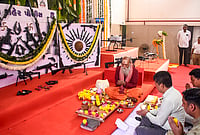
Baisakhi, also known as Vaisakhi, is one of the most important and vibrant festivals in India, holding deep significance for the Sikh community and farmers nationwide. Celebrated every year in mid-April, the Baisakhi festival officially marks the spring harvest season, the Solar New Year, and a defining historical moment in Sikhism. Over the centuries, the history of Baisakhi has evolved into a celebration that beautifully blends religious devotion, social unity, and vital economic importance. Understanding Baisakhi means exploring not just a colorful festival, but a rich cultural tradition deeply rooted in faith, historical resilience, and community life.
Baisakhi 2026 Date and Timings
Baisakhi 2026: Tuesday, April 14, 2026
Baisakhi Sankranti Moment: 09:39 AM
Mesha Sankranti: Tuesday, April 14, 2026
The Historical Roots of Baisakhi and the Birth of the Khalsa
The origins of Baisakhi date back to ancient agrarian traditions when farmers celebrated the harvesting of the rabi (winter) crops, especially wheat. For centuries, it has been a time of joy and gratitude, when communities gathered to thank the divine for a bountiful harvest and pray for future prosperity.
However, the festival gained its most profound historical significance on Baisakhi Day in 1699. At a massive gathering in Anandpur Sahib, the tenth Sikh Guru, Guru Gobind Singh Ji, emerged from a tent carrying a sword and asked for five volunteers willing to give their lives for their faith. Five courageous men stepped forward. They emerged from the tent unharmed, wearing new saffron robes, and were initiated as the Panj Pyare (The Five Beloved Ones).
On this day, Guru Gobind Singh established the Khalsa Panth, a community of initiated Sikhs dedicated to a disciplined, fearless, and spiritually pure life. He also introduced the Five Ks (Kesh, Kangha, Kara, Kachhera, and Kirpan) as mandatory articles of faith. This monumental historic event transformed Baisakhi from a simple seasonal festival into the cornerstone of Sikh identity.
A Day of Historical Remembrance: Jallianwala Bagh
Baisakhi also holds a solemn place in Indian history. On Baisakhi day, April 13, 1919, thousands of unarmed Indians gathered at Jallianwala Bagh in Amritsar to peacefully celebrate the festival and protest colonial laws. The British Indian Army, under the command of Colonel Reginald Dyer, opened fire on the crowd, resulting in a tragic massacre. Today, Baisakhi is also a day to pay homage to the martyrs of India’s freedom struggle.
Religious Significance of Baisakhi
For Sikhs, Baisakhi is a deeply sacred occasion. It commemorates the birth of the Khalsa, symbolising equality, courage, and devotion to justice. Devotees visit gurudwaras, participate in kirtans, and engage in seva (selfless service).
Holy sites such as Harmandir Sahib witness large gatherings of devotees who come to offer prayers and seek blessings. The reading of the Guru Granth Sahib, Nagar Kirtans (religious processions), and community langars are integral parts of the celebration.
Baisakhi also reinforces core Sikh values such as unity, humility, and service to humanity. It is a reminder of spiritual discipline and the importance of standing up for righteousness.
Social Significance of Baisakhi
Beyond its religious importance, Baisakhi plays a vital role in strengthening social bonds. It is a time when families and communities come together to celebrate with joy and enthusiasm. Villages and cities alike are filled with vibrant fairs, music, and dance.
Traditional folk dances like bhangra and giddha bring energy and colour to the celebrations. People dress in bright, festive attire, reflecting the spirit of happiness and prosperity.
Baisakhi also promotes inclusivity and togetherness. The tradition of langar, where free meals are served to everyone regardless of caste, religion, or background, highlights the essence of equality and community sharing.
In many parts of India, Baisakhi is celebrated in different forms, symbolising unity in diversity and showcasing the country’s rich cultural fabric.
Economic Significance of Baisakhi
Baisakhi holds immense economic importance, particularly in agricultural regions. It marks the harvest of the rabi crops, providing farmers with a sense of achievement and financial stability. A good harvest during this time directly impacts rural economies and livelihoods.
Local markets and fairs see a surge in activity, with traders, artisans, and small businesses benefiting from increased demand. From traditional clothing and handicrafts to food stalls and agricultural tools, Baisakhi stimulates economic exchange at multiple levels.
In urban areas, the festival boosts sectors like retail, hospitality, and tourism. Pilgrimage destinations, especially in Punjab, witness a significant influx of visitors, contributing to local economies.
Thus, Baisakhi is not just a cultural or religious event but also a key driver of economic activity.
Baisakhi in Modern Times
Today, Baisakhi continues to hold its traditional charm while adapting to contemporary lifestyles. Celebrations extend beyond India, with Sikh communities around the world organising parades, cultural programs, and religious gatherings.
Despite changing times, the core essence of Baisakhi remains intact, a celebration of faith, gratitude, and community spirit. It continues to inspire people to stay connected to their roots while embracing modernity.
Conclusion
Baisakhi is much more than a festival; it is a powerful expression of history, spirituality, and community life. From its origins as a harvest celebration to its transformation into a defining moment in Sikh history, it carries layers of meaning that resonate even today.
Its religious significance strengthens faith, its social aspects bring people together, and its economic impact supports livelihoods. As the festival continues to be celebrated with enthusiasm across generations, Baisakhi stands as a timeless symbol of prosperity, unity, and cultural richness.
Celebrating Baisakhi is ultimately about embracing gratitude, honouring tradition, and sharing joy with others.
Frequently Asked Questions (FAQs)
1. Why is Baisakhi celebrated?
Baisakhi is celebrated for two main reasons. Agriculturally, it is a thanksgiving festival marking the harvest of the Rabi (winter) crops like wheat. Religiously, it commemorates the year 1699 when Guru Gobind Singh Ji founded the Khalsa Panth, giving Sikhs their distinct identity.
2. How is Baisakhi celebrated by Hindus?
For Hindus, Baisakhi marks the Solar New Year (Mesha Sankranti). It is celebrated by taking holy dips in sacred rivers like the Ganges, offering prayers in temples, and sharing festive meals. It is celebrated as Vishu in Kerala, Bohag Bihu in Assam, and Pohela Boishakh in West Bengal.
3. What are the traditional foods eaten on Baisakhi?
Food is a central part of Baisakhi's social significance. Traditional Punjabi delicacies prepared on this day include Kada Prasad (served in Gurudwaras), Makki di Roti with Sarson ka Saag, Chole Bature, sweet yellow rice (Meethe Chawal), and Lassi.
4. What is the connection between Baisakhi and the Khalsa?
On Baisakhi day in 1699, the tenth Sikh Guru, Guru Gobind Singh Ji, baptized five volunteers (the Panj Pyare) with Amrit (holy water). This initiated the Khalsa Panth, a brotherhood of saint-soldiers, and formalized the Sikh religion with the introduction of the Five Ks.