Akshaya Tritiya is one of those rare festivals in India that feels both deeply spiritual and quietly joyful. In 2026, it will be observed on April 19, and like every year, people across the country will mark the day with prayers, charity, and new beginnings.
The meaning of Akshaya, “never diminishing” is what makes this day so special. It is believed that anything started on this day continues to grow, bringing lasting prosperity and happiness. While the belief remains the same everywhere, the way people celebrate Akshaya Tritiya changes beautifully from region to region.
Let’s take a closer look at how this auspicious day is observed in Maharashtra, Odisha, and the Telugu states.
Maharashtra: New Beginnings and Sweet Traditions
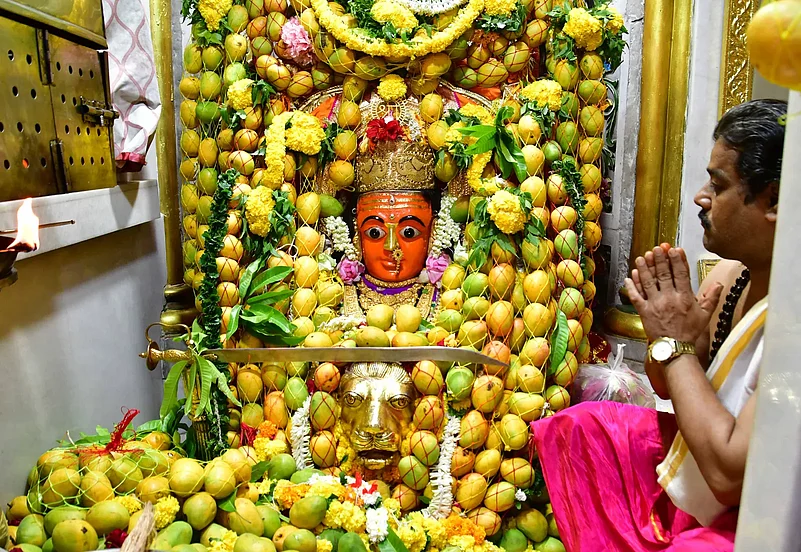

In Maharashtra, Akshaya Tritiya is closely tied to the idea of fresh starts. It is considered a shubh or pious day to begin something new, whether it’s a business, a personal goal, or even a small household purchase.
In many homes, people buy gold, utensils, or other valuables, believing it will bring good luck. For farmers, the day holds agricultural importance too, as it marks the beginning of preparations for the upcoming sowing season.
There’s also a warm, family-oriented side to the celebration. It is a tradition in some households to invite newly married daughters back to their maternal homes. Meals are prepared with extra care, and one dish that almost defines the day is Shrikhand-Puri, a simple yet festive combination that brings everyone together around the table.

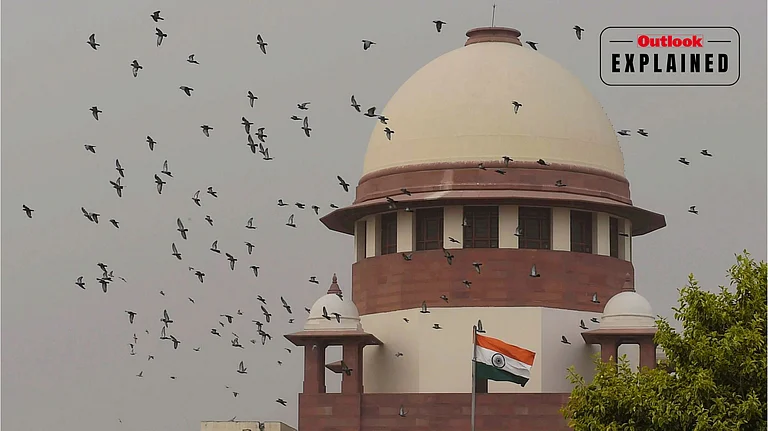


In cities like Mumbai and Pune, the business community often uses this day to launch new ventures or sign important deals, seeing it as a symbol of long-term success.
Odisha: Faith, Farming, and the Beginning of Rath Yatra Preparations

In Odisha, Akshaya Tritiya carries both spiritual and agricultural significance. For farmers, it marks the start of the sowing season through a ritual known as Akhi Muthi Anukula, where the first seeds are offered to the divine before planting begins.
The most vibrant celebrations, however, take place in Puri. This is the day when preparations for the grand Rath Yatra officially begin. The construction of the massive chariots for Jagannath starts on this day, marking the beginning of a journey that will culminate in one of India’s most iconic religious processions.
The occasion is also linked with Chandan Yatra, where deities are taken out in ceremonial processions, adding to the festive spirit.
Devotees spend the day offering prayers to Vishnu and Lakshmi, seeking blessings for prosperity. Charity is an important part of the day, people donate food, clothes, and money, believing that acts of giving on this day bring endless returns.
Telugu States: Simplicity, Devotion, and Ancient Beliefs

In Andhra Pradesh and Telangana, Akshaya Tritiya is observed with a calm and deeply spiritual approach. The day is believed to mark the birth of Parashurama, and temples dedicated to him hold special prayers and rituals.
Like in Odisha, the day also signals the beginning of agricultural activities. Farmers perform simple rituals before starting work, seeking blessings for a good harvest.
One of the most comforting traditions here is the worship of the Tulsi plant. Women light lamps near the plant, offer prayers, and seek protection and well-being for their families. It’s a quiet ritual, but one that holds deep emotional and spiritual meaning.
Food offerings on this day reflect simplicity. Dishes like Panakam (a jaggery-based drink) and Vadapappu (soaked moong dal) are prepared and offered to deities. These humble offerings highlight the essence of the festival, devotion over display.
Another important belief is that no muhurat is required on this day. Many families choose Akshaya Tritiya to begin new ventures, educational journeys, or even marriages, trusting the natural auspiciousness of the day.
Akshaya Tritiya is not about grand celebrations or loud festivities. It’s about intention. It’s about starting something with a clean heart, giving without expecting, and believing that good actions will always grow.
Whether it’s the sound of temple rituals in Puri, the sweetness of Shrikhand in a Maharashtrian home, or the soft glow of a lamp near a Tulsi plant in Hyderabad, the spirit of the day remains the same.
It gently reminds us that some of the most meaningful traditions are also the simplest—and that true prosperity lies in faith, gratitude, and new beginnings that never fade.