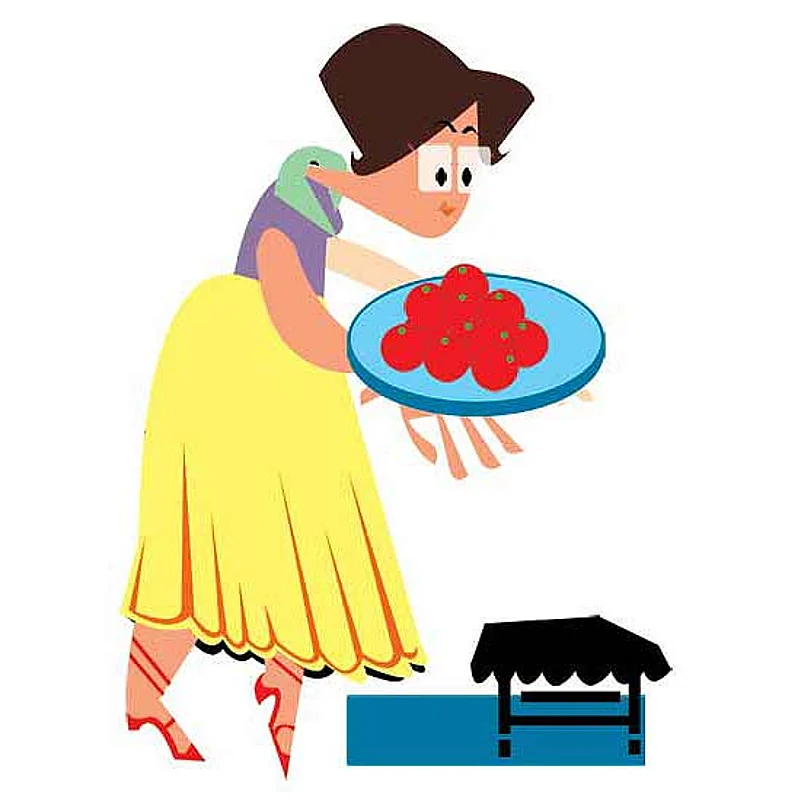

Have you heard of Konkan? The ‘susegad’ (relaxed) coast of Maharashtra that extends into Goa? If you have, then you must have heard of kokum. It’s a fruit, used as a spice and also to make yummy curries that are eaten with rice. All right, you are not into tourism or cooking, you are into weight loss; so what do we have for you?
Here goes. Kokum is great to reduce lipogenesis, ie conversion of food to fat. It is rich in many phytonutrients, and this particular fat loss benefit is brought about by HCA or hydroxy citric acid, which is also found in fancy weight loss supplements and in ads that pop up every time you open Facebook and urge you to lose 13 kg. Wink wink.
Jokes apart, HCA is just one of the many ingredients that make kokum revered in south India. Mentioned in Ayurvedic texts as effective therapy for beating dehydration, flatulence, infections and allergies, it is now also touted for its anti-carcinogenic properties.
It has multiple other uses too: for an even skin tone and taking care of enlarged pores. Other than using it as a spice or seasoning, Konkanis eat kokum by converting it into a drink called amrut kokum. Seeped in the right amount of sugar and allowed to settle for some time with cumin and salt, it makes for as delicious a liver cleanser and coolant you could ask for.




Why isn’t it popular then, if it’s really so great for the skin, intestines and beating the heat? Well, the same can be asked for bel ka sherbet and rhododendron. Blame it on the fact that we don’t quite take home-grown food wisdom seriously.