
Ram Setu is no Ramjanmabhoomi for the BJP. The saffron party is, without doubt, delighted that the Congress is looking quite ridiculous with its handling of the affidavit (which claimed there is "no evidence" of the existence of Ram) and the subsequent blame game being played out among UPA ministers. But ultimately it realises that there is limited mileage it can derive out of the issue.
Feigned indignation can certainly galvanise the faithful into action. But politically, the Ram Setu issue is really about embarrassing the UPA government, not organising a yatra or mass movement. Indeed, it has become clear that whatever "movement" there is will be led by the VHP, and the BJP will only participate in programmes planned by the Ram Setu Raksha Samiti—an umbrella organisation of Sangh parivar constituents.
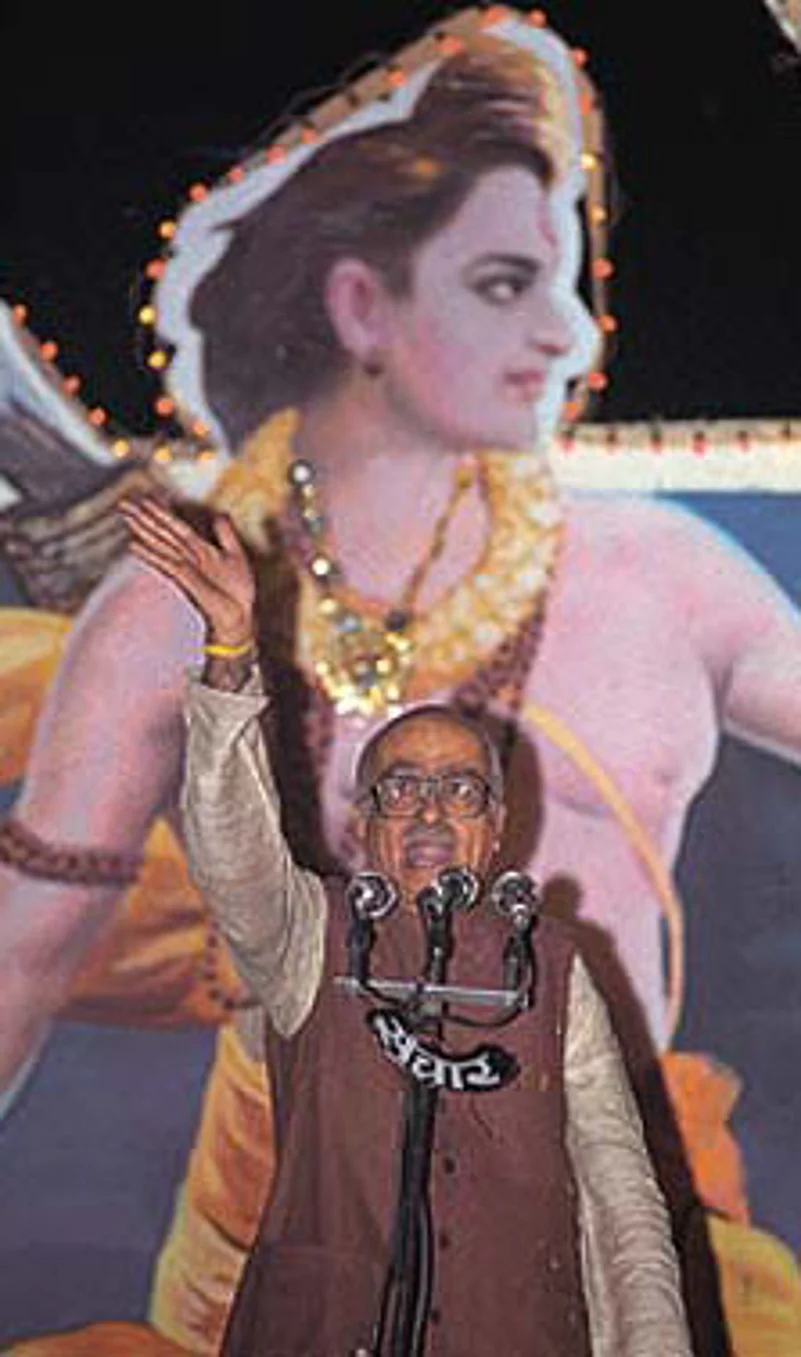
Sources say the VHP did not take kindly to L.K. Advani's attempts to be at the forefront of the Ram Setu campaign. It reminded many of Advani hijacking the Ram temple movement and subsequently abandoning it. Says a senior BJP leader: "The Sangh had to step in and make it clear that Advani cannot repeat this with Ram Setu. There were reports that he was planning another yatra. The VHP was unhappy." From within the BJP, Dr Murli Manohar Joshi is believed to have complained to the Sangh about Advani's behaviour, and instructions are said to have come from the highest quarters in Nagpur telling the party that it could keep up the political rhetoric but not take away the issue from the VHP.
Not just that, the parivar has realised that the issue can at best be a handy stick to beat the UPA with. There is no Babri Masjid here to target, no putting of Muslims on the defensive, no plank to deride the politics of pseudo-secularism. Indeed, as a senior leader puts it, "I believe there is more leverage for us if we raise the Sachar commission issue that advocates giving special concessions to Muslims than going about the Ram Setu."
So, even as the parivar realises it has a potent issue at hand, it does not know what to do with it. BJP strategists say the attack should focus on the wording of the affidavit that questioned the existence of Ram. Their argument simply is: Can you do this with other religions and question their icons or gods? The VHP, on the other hand, is determined to try and prove that the so-called Ram Setu or Adam's Bridge was man-made and not a natural formation. Since it's quite impossible to prove this scientifically, the VHP will presumably continue to run around in circles, organise chakka jams and disrupt life across the country in periodic bursts of energy. It's an excellent exercise for an organisation that had appeared to have lost all relevance.
Indeed, despite the tug-of-war between the Hindu brotherhood over who should lead the movement, the issue has no doubt been something of a political godsend for the BJP. It has charged up a badly divided and demoralised party and helped it enter the familiar terrain of politics in the name of Ram. For instance, when the government withdrew the affidavit, Arun Jaitley told Outlook: "This is the first time the UPA has blinked on a Hindu-related issue, so it's good for us. I believe that they had underestimated the ideological force behind the Ram Setu issue."
Already preparing to fight the next elections on the basis of alliance arithmetic and bread-and-butter issues, the BJP doesn't mind this helping hand from Lord Rama. But then, as a party leader puts it, "First, we have to settle our leadership squabbles. Only then can Ram or anything else work for us." Ramayana's epic hero may have got Hanuman and his vanar sena behind him, but getting the BJP top guard to arrive at a consensus on a leader is much harder.