Health parameters of critically ill patients admitted to the ICU at MMG District Hospital in Uttar Pradesh’s Ghaziabad are now being monitored round the clock by specialists seated miles away at an AI-enabled Base Command Centre at Yashoda Medicity. The digitally connected system allows superspecialists to keep a constant watch on patients without being physically present at the district hospital.
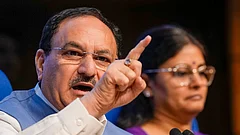
From a central dashboard at the Command Centre, which was inaugurated on Tuesday by Union Health Minister J.P. Nadda, doctors can see live updates of key health indicators such as heart rate, oxygen levels, and blood pressure. Artificial Intelligence tools analyze this data continuously. If a patient’s condition begins to worsen, the system immediately sends an alert. Specialists can then advise the doctors and nurses at MMG Hospital on the next course of action.
The initiative, launched as part of a corporate social responsibility (CSR) effort, aims to strengthen intensive care services at the district level by combining technology with expert medical supervision.
Nadda said such initiatives are part of a broader national effort to place digital health at the center of healthcare reform. He noted that the National Health Policy, 2017, laid the foundation for building a strong digital health ecosystem in line with the Digital India vision. Since then, several technology-driven platforms have been introduced to expand access to healthcare services, including the eSanjeevani platform, where more than 45 crore teleconsultations have been provided nationwide. Patients in remote and rural areas can now consult doctors without traveling long distances, saving both time and money.
.jpg?auto=format%2Ccompress&fit=max&format=webp&w=240&dpr=1.0)


Digital systems are being used in maternal and child healthcare as well, said Nadda. The U-WIN platform has registered over 11 crore beneficiaries, helping track pregnancies and immunization under the Universal Immunization Programme. These efforts have contributed to high vaccination coverage and improvements in maternal and child health indicators.
Artificial Intelligence is also being used in disease control. AI-enabled handheld X-ray machines are supporting tuberculosis screening, contributing to a faster decline in TB cases compared to the global average. The government has launched the SAHI portal to promote responsible use of AI in healthcare and the BODH initiative to validate AI-based health solutions, he added.
Dr. P.N. Arora, Chairman of Yashoda Group of Hospitals, said, “Our aim with the AI-enabled e-ICU Command Centre is to combine intelligent monitoring, real-time data analysis, and expert clinical oversight to extend the reach of intensive care far beyond our hospital walls.”
Dr. Upasana Arora, Managing Director of Yashoda Medicity, added that the model could be expanded to more district hospitals and even to Primary Health Centres (PHCs) and Community Health Centres (CHCs) with internet connectivity. “The idea is to help make high-quality intensive care more accessible and affordable for economically weaker sections of society, extending critical care services to patients.”
Member of Parliament for the Ghaziabad Constituency, Atul Garg, said it is high time that such dedicated, cost-effective initiatives are implemented on a larger scale to benefit common people, particularly those from economically weaker sections.
For district hospitals, which often face a shortage of superspecialists, such models offer critical support. Patients who earlier had to be referred to larger hospitals in metropolitan cities for advanced monitoring can now receive expert guidance locally. This reduces the need for transfers, cuts down delays, and lowers the financial and emotional burden on families.
As AI moves from pilot projects to everyday hospital operations, its real success will lie in better outcomes for patients—quicker response, safer treatment, and improved access to expert care, said an official from the Union Health Ministry.