Even as advances in precision oncology reshape breast cancer treatment globally, India continues to grapple with a stark reality — a large proportion of women are still diagnosed at advanced stages of the disease, significantly reducing survival outcomes and treatment options.
Against this backdrop, the two-day Apollo Athenaa Cancer Conclave 2026, themed “From Grey Zones to Black & White in the Management of Breast Cancer,” is being organised from March 7, 2026, and seeks to push breast cancer care in India toward greater evidence-based clarity and patient-centric precision.
The conclave brings together leading breast surgeons, oncologists, radiologists, and reconstruction specialists from India and abroad to discuss how evolving scientific evidence can transform clinical decision-making.
“Breast cancer is now the most common cancer among women in India, leaving behind cervical cancer,” said Dr. Geeta Kadayaprath, Principal Lead, Breast Surgical Oncology & Oncoplastic Surgery, Apollo Athena Women Cancer Centre. “Many women tend to postpone screening because symptoms are often dismissed. As a result, medical visits are delayed and discomfort is normalised. In cancers such as breast and cervical cancer, where early diagnosis plays a critical role, such delays can significantly worsen outcomes,” she added.
The urgency of the conclave is underscored by alarming trends reported in India, as in the rest of the world.
A study by the Global Burden of Disease Study published in The Lancet Oncology estimates that 2.3 million new breast cancer cases and 764,000 deaths occurred worldwide in 2023. By 2050, annual cases could exceed 3.5 million, with deaths rising by 44%. For India, the rise is particularly concerning: the age-standardised incidence rate has increased from 13 per 100,000 women in 1990 to 29.4 in 2023, while mortality has also risen significantly.

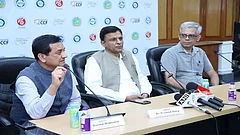
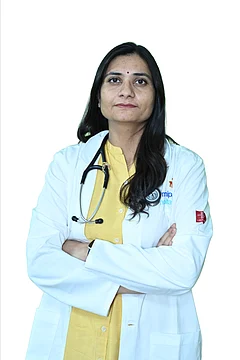
Dr. Jyoti Wadhwa, Senior Consultant & Principal Lead of Medical and Precision Oncology at Apollo Cancer Centre, said that unlike many developed countries, where organised screening programmes ensure early detection, a majority of Indian patients are diagnosed at Stage III or Stage IV. “In contrast, women in countries with strong screening systems are far more likely to be diagnosed in Stage I or Stage II, when treatment outcomes are significantly better.”
When asked about the role of diet and lifestyle, Dr. Wadhwa acknowledged findings from a recent study published in APL Bioengineering, which suggested that high-fat diets may contribute to breast cancer risk.
She noted that changing dietary patterns, particularly the growing consumption of high-fat and highly processed foods, may be contributing to the rising risk. Doctors are also increasingly observing breast cancer in much younger women, with cases now commonly being diagnosed in women around 40 years of age.
However, she stressed that diet alone is not the sole cause, and breast cancer risk is influenced by multiple factors, including physical inactivity, obesity, hormonal influences, and broader lifestyle patterns.
Dr. Wadhwa attributed this gap to multiple factors, including limited awareness, delayed marriages or the growing absence of a breastfeeding culture among women, absence of population-level screening programmes, social stigma, delayed medical consultation, and unequal access to diagnostic services, particularly outside major urban centres.
“As a result, many women reach hospitals only when symptoms become severe, narrowing the window for less aggressive and more effective treatment options,” added Dr. Jyoti Arora, Principal Lead, Women Imaging, Apollo Athenaa Women’s Cancer Centre.
She pointed out that “advanced imaging today using AI is not just diagnosing cancer — it is redefining how we treat it. With minimally invasive techniques such as cryoablation, we can freeze and destroy the cancer in selected patient groups without traditional surgery. With precise tumour mapping, we can offer women less aggressive surgical options without compromising on safety or outcomes.”
The consequences are visible not only in survival outcomes but also in the quality-of-life dimensions of cancer care, particularly breast reconstruction after surgery. While breast reconstruction is offered to nearly half of breast cancer patients in many Western healthcare systems, the reconstruction rate in India remains dismally low, estimated at below 5 percent in several centres.
Dr. Samarth Gupta, Consultant – Plastic and Breast Reconstructive Surgery with the Centre, said that this reflects both limited access to specialised reconstructive surgery and lack of awareness among patients that reconstruction is even an option after mastectomy. Financial constraints and delayed diagnosis also contribute to the gap, he noted, while also saying that reconstruction procedures are now being covered under insurance services.
The conclave will examine several emerging frontiers, including axillary de-escalation, sequencing of systemic therapy in metastatic triple-negative breast cancer, imaging-led treatment planning in multifocal disease, and precision tumour mapping, where radiology, pathology, and surgical planning intersect.
Dr. Preetha Reddy, Executive Vice Chairperson of Apollo Hospitals, said the goal is to accelerate the adoption of science-led, precision oncology practices across India.
“By bringing together global expertise and multidisciplinary collaboration, we aim to ensure that every woman benefits from treatment decisions rooted in science, innovation, and long-term wellbeing,” she said.
The conclave will also feature key international speakers: Dr. Stephen McCulley, Consultant Plastic, Reconstructive and Aesthetic Surgeon, UK; Prof. Dr. med. Marc Thill, Director, Department of Gynecology & Gynecologic Oncology and Spokesperson of the Interdisciplinary Breast Cancer and the Oncological Center, Agaplesion Markus Hospital, Frankfurt am Main, Germany; Prof. Dr. med. Thorsten Kühn, Chair of the European Breast Cancer Research Organisation Surgical Trialists (EUBREAST), Senior Physician, Department of Surgical Gynecology and Obstetrics, University of Ulm, Germany; Dr. Shaheenah Dawood, Consultant Medical Oncologist and Professor, Clinical Oncology, Mediclinic City Hospital, Dubai, UAE; and Dr. Lucia Grana Lopez, Senior Breast Radiologist, University Hospital Lucus Augusti, Lugo, Spain, and Vice President of the Spanish Society of Breast Imaging, among others.