Mattu Pongal is celebrated on the third day of the four-day Pongal festival, mainly in Tamil Nadu and among Tamil communities across the world. This special day is dedicated to cattle, especially cows and bulls, who have been the backbone of traditional agriculture for centuries. Mattu Pongal is a festival of gratitude, respect, and harmony between humans, animals, and nature.
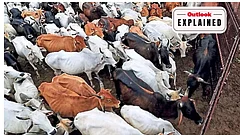
Agriculture in India has always depended greatly on cattle. Before modern machinery became common, bulls were used to plough fields, draw water from wells, and transport farm produce. Cows provided milk, manure, and fuel, supporting both farming and daily household life. Mattu Pongal honours these silent contributors who work alongside farmers throughout the year and make food production possible.
On Mattu Pongal morning, homes and cattle sheds are thoroughly cleaned. Cows and bulls are bathed and decorated with great care. Their horns are painted in bright colours, and flower garlands are placed around their necks. Bells, beads, and cloth decorations are also used in many regions. These decorations are a sign of respect and affection, showing that cattle are valued members of the household and not just working animals.
Special prayers are offered to the cattle on this day. Farmers apply turmeric, sacred ash, or sandalwood paste on their foreheads and thank them for their service. The freshly prepared sweet Pongal, made from new rice, milk, and jaggery, is first offered to the cattle. They are also fed sugarcane, bananas, and fresh grass. Feeding cattle before eating themselves symbolises humility and gratitude, acknowledging the role animals play in human survival.


Mattu Pongal also carries a deep cultural and spiritual meaning. According to popular belief, Lord Shiva once sent his bull, Nandi, to Earth with a message for humans. Due to a misunderstanding, the message was delivered incorrectly, leading humans to cultivate crops regularly instead of eating only once a month. Though this meant more labour, it resulted in abundant food for mankind. Since then, cattle have been closely associated with agriculture and prosperity, and Mattu Pongal is observed to honour their contribution.
In villages, Mattu Pongal is celebrated with great joy and community spirit. Traditional music, folk dances, and rural games add colour to the day. In some places, farmers proudly showcase their well-decorated cattle as a symbol of prosperity and hard work. These celebrations strengthen social bonds and keep agricultural traditions alive for future generations.
Even in today’s modern world, Mattu Pongal remains highly relevant. While machines have replaced cattle in many farms, cows still provide milk and natural manure, which supports organic and sustainable farming. Cow dung is used as fertilizer and eco-friendly fuel, reducing dependence on chemicals and promoting environmental balance. The festival reminds people not to overlook the importance of animals in the rush of development.
Mattu Pongal teaches valuable life lessons. It encourages compassion towards animals, respect for labour, and gratitude for those who support human life quietly and consistently. The festival reminds society that prosperity does not come from human effort alone, but from cooperation between people, animals, and nature.
More than just a ritual, Mattu Pongal is a celebration of coexistence. It reflects the belief that all living beings are interconnected and deserve care and respect. By dedicating an entire day to honour cattle, the festival sends a powerful message about kindness, balance, and responsibility.
As Mattu Pongal is celebrated in 2026, it continues to uphold timeless values rooted in Indian culture. It reminds people of the deep bond between farmers and their cattle and highlights the importance of living in harmony with nature. Through simple rituals and heartfelt gratitude, Mattu Pongal celebrates not just animals, but the spirit of life and shared prosperity.
Frequently Asked Questions (FAQs)
Q1: What does the word "Mattu" mean in Mattu Pongal?
A: In Tamil, "Mattu" (மாடு) means cattle, referring to bulls, cows, and calves. Therefore, "Mattu Pongal" literally translates to "The Pongal of the Cattle."
Q2: Is Mattu Pongal a public holiday?
A: Yes, Mattu Pongal is a public holiday in the state of Tamil Nadu and for Tamil communities in other regions like Puducherry and Sri Lanka.
Q3: How is Mattu Pongal relevant today when tractors are used for farming?
A: Even in modern agriculture, cattle remain important. Cows provide milk, a primary source of nutrition, and cow dung is a vital component of organic farming, acting as a natural fertilizer and a source of biofuel. The festival serves as a reminder of the importance of sustainable and harmonious farming practices.