Doors are used countless times every day in homes, offices, hospitals and commercial buildings. While opening a door is simple, closing it in a controlled and safe way takes more thought than most people realise. Slamming doors creates noise, damages frames and increases safety risks. This is where hydraulic door closers quietly do their job.
A hydraulic system is designed to control how a door shuts. It slows the movement, prevents sudden impact and ensures the door closes fully every time. Understanding how this mechanism works helps in choosing the right solution for long-term comfort and reliability.
What a hydraulic door closer actually does
At its core, a hydraulic door closer controls speed. Instead of allowing the door to swing freely, it guides the closing motion in a steady and predictable way. This prevents doors from banging shut due to wind, pressure differences or careless use.
The system uses hydraulic fluid and internal valves to manage movement. Every part plays a role in making sure the door closes smoothly without force. This is especially important in shared spaces where doors are used frequently throughout the day.
Key components inside a hydraulic door closer
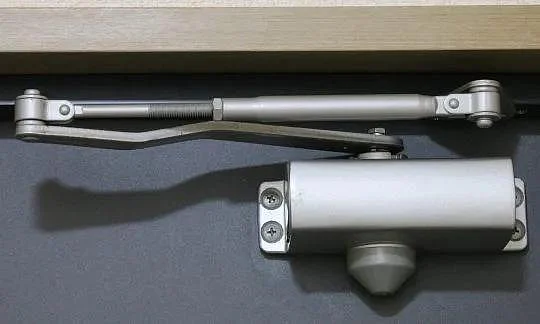
Most hydraulic closers have a compact design, but inside they contain several working parts. The main components include a spring, a piston, hydraulic fluid and adjustable valves.
When the door opens, energy is stored in the spring. As the door begins to close, the spring pushes it back toward the frame. The hydraulic fluid resists this movement, slowing it down. The valves regulate how fast the fluid moves, which directly controls the closing speed.



This balance between spring force and fluid resistance is what creates a smooth and controlled closing action.
How hydraulic control prevents door slamming
Without hydraulic resistance, the spring would pull the door shut too quickly. This leads to loud noise, wear on hinges and possible injury. The hydraulic system prevents this by forcing fluid through narrow channels.
As the door closes, the piston moves through the fluid. The restricted flow slows the piston down. This controlled resistance ensures the door shuts gently instead of snapping closed.
Most hydraulic door closers allow speed adjustments. This makes it possible to set different closing rates for different environments, such as homes, offices or public buildings.
The role of closing and latching speeds
Hydraulic door closers typically manage the closing process in two stages. The first stage controls the main closing movement. The second stage, often called the latching speed, ensures the door closes firmly during the final few degrees.
The main closing speed keeps the door moving steadily without rushing. The latching speed provides enough force to overcome air pressure or misalignment and ensures the door shuts completely.
Adjusting these two speeds correctly is essential. Too fast causes noise and damage. Too slow may leave the door partially open.
How door spring closers differ from hydraulic systems
A door spring closer depends majorly on spring tension. While it helps pull the door closed, it lacks precise speed control. This often leads to inconsistent performance, especially in changing conditions like wind or heavy use.
Hydraulic systems ensure more stability. The hydraulic fluid adapts to pressure changes and repeated usage better than a simple spring mechanism. That is why hydraulic closers are preferred in areas where reliability and comfort matter.
In some lighter applications, a spring door closer may still be used. However, for smoother operation and longer life, hydraulic systems are generally considered more reliable.
Why controlled door closing improves safety
Uncontrolled doors can cause accidents. Fingers get caught. Doors hit people. Frames and glass panels crack over time. A hydraulic door closer minimises these risks by managing movement carefully.
In emergency exits and fire-rated doors, proper closing is also crucial for safety compliance. Doors must close fully and reliably without manual effort. Hydraulic closers help meet these requirements while maintaining ease of use.
Durability under frequent use
Doors in commercial spaces may open and close hundreds of times daily. Poor-quality closers wear out quickly under such pressure. Hydraulic systems designed with proper sealing and durable materials perform better over long periods.
Manufacturers with extensive experience in engineering and building hardware, like Godrej Enterprises Group, focus on long-cycle testing and material reliability. This approach ensures consistent performance even under heavy daily usage.
Where hydraulic door closers are commonly used
Hydraulic door closers are widely used across different settings. Homes benefit from quieter interiors and reduced wear. Offices use them to maintain professional environments. Hospitals and schools rely on them for safety and noise control.
They are also common in fire doors, staircases and shared building entrances where controlled closing is essential. The same working principle applies across all these uses, with adjustments made based on door weight and usage frequency.
Choosing the right hydraulic door closer
Not all doors require the same solution. The door weight, its size and location all influence the type of closer needed. For example: a heavier door needs a stronger spring and appropriate hydraulic resistance, while a lighter door requires gentler control.
Installation also matters. Even the best closer may not work well if it is poorly installed or incorrectly adjusted. Proper alignment ensures smooth movement and a longer life.
Conclusion
Hydraulic door closers may seem like small components but they play a key role in comfort, safety and durability. By using controlled resistance and spring balance, they ensure that doors close smoothly without any noise or damage.
Understanding how a hydraulic door closer system works makes it easier to choose the right option for any space. As compared to basic solutions like a door spring closer, hydraulic systems offer better control and long-term reliability.
Disclaimer: This is a sponsored article. All possible measures have been taken to ensure accuracy, reliability, timeliness and authenticity of the information; however Outlookindia.com does not take any liability for the same. Using of any information provided in the article is solely at the viewers’ discretion.