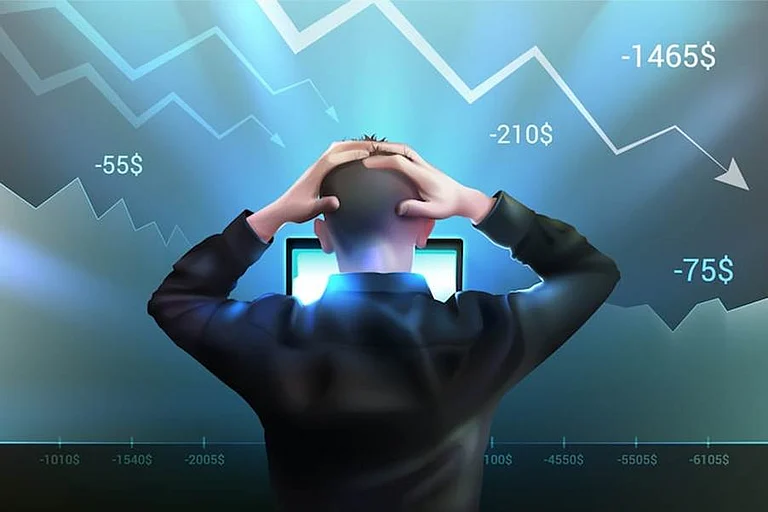
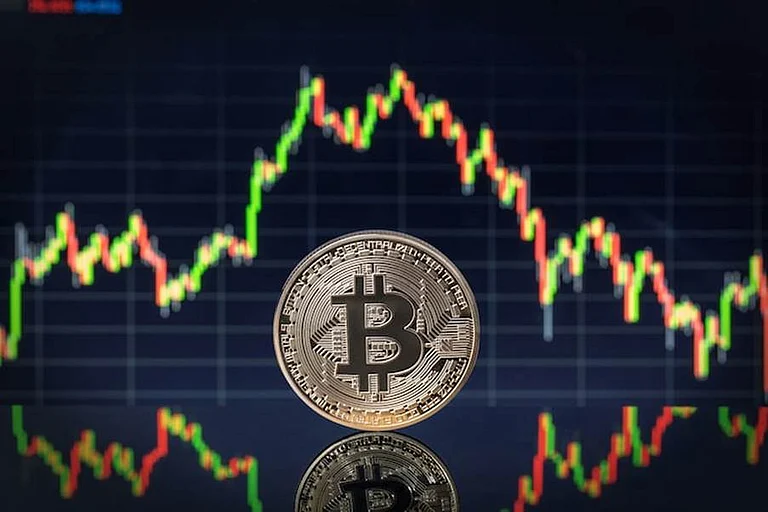
Panic selling and illiquidity are the most influential forces that impact the short-term behavior of the market in the cryptocurrency market. The main factor that distinguishes the cryptocurrency market from other markets is that the crypto market is emotionally driven and runs twenty-four-seven. As soon as fear grips investors, the number of sellers rises dramatically, but the number of buyers hangs back, resulting in low liquidity.
This creates an unstable market mechanism where even the smallest trade can cause volatile price shifts. Measures such as the crypto fear and greed indicator are used to measure the emotional state by analyzing market volatility, trade volume, and market sentiment benchmarks. Panic selling and the resulting loss of market liquidity are responsible for the volatile crypto markets which tend to fall or rise sharply and suddenly despite the underlying fundamentals remaining unchanged.
This article examines how these forces come into effect, how they mutually reinforce each other, and the reasons why they end up leading the short-term behavior of the crypto markets.
Understanding Panic Selling in Crypto Markets
What Is Panic Selling?
Panic selling represents a sudden and massive disposition of assets due to the incidence of fear rather than smart reasoning. In the crypto market context, this happens suddenly as traders attempt to immediately unload the investment to cut further losses.
Unlike strategic sales, panic sales occur across multiple assets at roughly the same time, leading to increased correlation and faster price movements.
Common Triggers of Panic Selling
Panic selling in crypto is commonly triggered by:
Rapid and steep price declines
Regulatory announcements / enforcement actions
Security breaches, hacks, and/or exchange failures
Macroeconomic shocks impacting risk assets
Viral social media storylines, opinions from influencers
The other reason is that, unlike other markets, the control of information is not in the hands of one central authority, which allows unconfirmed information to create fear among investors.
Why Panic Selling Occurs on Crypto markets
There are a number of structural elements which make cryptocurrencies particularly vulnerable to attack
High retail participation: Traders tend to act emotionally and respond quickly to losing positions
Leverages and Derivatives: Liquidations create selling pressure by default
24/7 trading: Fear can escalate at any hour without market pauses
Transparency of losses: Real-time price charts heighten emotional reactions
As panic grows, selling becomes contagious, pushing prices lower in the short term.
What Is Market Liquidity and Why It Matters
Defining Liquidity in Simple Terms
Liquidity measures how easily an asset can be bought or sold without significantly affecting its price. High liquidity allows large trades to occur smoothly, while low liquidity makes prices sensitive to small order sizes.
Liquidity depends on:
Number of active buyers and sellers
Order book depth
Trading volume
Market confidence
Liquidity Conditions in Crypto Markets
Crypto liquidity varies widely:
Major assets like Bitcoin and Ethereum tend to maintain deeper liquidity
Smaller altcoins often rely on limited trading activity
Liquidity fluctuates during weekends, off-hours, or periods of fear
When uncertainty increases, buyers often pull their bids, widening spreads and making the market more fragile.
How Panic Selling and Reduced Liquidity Interact
The Reinforcing Cycle
Panic selling and reduced liquidity create a self-reinforcing feedback loop:
Fear triggers initial selling
Prices decline rapidly
Buyers withdraw to avoid losses
Liquidity dries up
Prices fall further on low volume
More participants panic and sell
This loop explains why crypto markets can experience cascading declines within hours.
Why Liquidity Disappears During Panic
During fearful periods:
Market makers reduce exposure
Traders wait for clarity
Capital shifts into stablecoins
Risk appetite declines sharply
As liquidity thins, volatility increases, intensifying short-term instability.
Role of the Crypto Fear and Greed Index
The crypto fear and greed index acts as a sentiment gauge, capturing emotional extremes in the market. It combines data from:
Price volatility
Trading volume and momentum
Social media sentiment
Market dominance metrics
How It Reflects Panic Conditions
Extreme fear often coincides with heavy selling and shallow order books
Fear zones suggest caution and reduced participation
Neutral or greed phases indicate improving liquidity and confidence
While the index does not predict price movements, it helps contextualize market behavior during panic-driven phases.
Short-Term Market Behavior During Panic Conditions
Key Characteristics of Panic Markets
Short-term crypto markets during panic typically display:
Sudden breakdown of technical support levels
Rapid intraday price swings
Increased correlation across assets
Weak recovery attempts due to low buyer confidence
Prices often overshoot on both the downside and upside due to emotional trading.
Normal vs Panic Market Conditions
Market Aspect | Normal Conditions | Panic & Reduced Liquidity |
Trading Volume | Consistent | Erratic spikes |
Order Book Depth | Stable | Thin |
Price Movements | Gradual | Sharp and abrupt |
Bid-Ask Spread | Narrow | Wide |
Trader Behavior | Rational | Emotion-driven |
This contrast highlights how panic fundamentally alters short-term market dynamics.
Psychological Drivers Behind Panic Selling
Fear dominates decision-making during volatile periods. In crypto, this fear is intensified by:
Loss aversion (fear of losing more outweighs potential recovery)
Herd behavior (following majority actions)
Information overload
Visibility of real-time losses
Social media further accelerates panic by reinforcing negative narratives and validating fear-based decisions.
Pros and Cons of Panic-Driven Short-Term Markets
Potential Advantages
Enhanced price discovery during uncertainty
Opportunities for disciplined traders
Cleansing of excessive leverage
Reflection of true market sentiment
Key Risks
Emotional decision-making leads to losses
Increased slippage and poor execution
Higher likelihood of false signals
Greater exposure to manipulation
Understanding both sides helps contextualize panic markets objectively.
How Traders and Market Infrastructure Respond
Trader Behavior During Panic
Traders often respond by:
Reducing exposure
Moving funds into stablecoins
Avoiding leveraged positions
Waiting for volatility to stabilize
Exchange and Protocol Responses
Market infrastructure may:
Increase margin requirements
Trigger forced liquidations
Temporarily halt trading pairs
Experience performance strain during volume spikes
These reactions further influence short-term price behavior.
Conclusion
Panic selling and reduced liquidity are central to understanding short-term behavior in cryptocurrency markets. When fear overtakes rational analysis, selling pressure intensifies while liquidity contracts, creating sharp and often exaggerated price movements. This dynamic explains many of the sudden crashes and volatile rebounds seen across crypto assets.
By recognizing how emotional reactions, liquidity conditions, and sentiment indicators such as the crypto fear and greed index interact, observers can better interpret short-term volatility without conflating it with long-term value. In an ecosystem driven as much by psychology as technology, understanding these forces provides clarity during periods of uncertainty.
Frequently Asked Questions (FAQs)
1. Why does panic selling have such a strong impact on crypto prices?
Because panic coincides with reduced liquidity, even moderate selling can cause large price drops when buyers step away.
2. Is panic selling unique to crypto?
No, but crypto markets amplify it due to 24/7 trading, retail dominance, and rapid information flow.
3. How does reduced liquidity affect execution?
Lower liquidity increases slippage, widens spreads, and leads to less predictable pricing.
4. Can the crypto fear and greed index signal market reversals?
It reflects sentiment extremes but should be used alongside other indicators, not as a standalone signal.
5. Are short-term panic drops always followed by recoveries?
Not always. Some reflect deeper structural issues, while others are temporary emotional reactions.