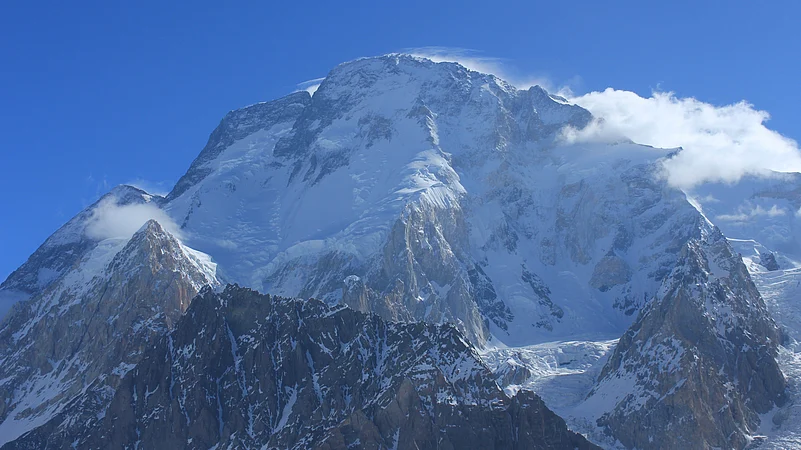
A Broad Peak avalanche killed 10 climbers, including renowned mountaineer Nirmal "Nimsdai" Purja.
Rising temperatures are accelerating glacier retreat, thawing permafrost, destabilising snowpacks and shortening reliable weather windows.
scientists warn that technology cannot fully offset the risks posed by a rapidly warming Himalayas.
The deaths of 10 climbers in an avalanche on Broad Peak (8,051 metres) in Pakistan's Karakoram range have once again highlighted the growing dangers confronting mountaineers in the world's highest mountains.
While avalanches, crevasse falls and extreme weather have always been part of high-altitude climbing, scientists say climate change is making these hazards increasingly unpredictable. Rising temperatures are accelerating glacier melt, thawing permafrost that binds mountain rock together, altering snowfall patterns and shortening stable weather windows that climbers depend on to reach summits safely.
The Broad Peak tragedy has therefore renewed a broader question: how is global warming transforming the world's highest mountains, and can mountaineering adapt to a rapidly changing Himalayas?
What happened on Broad Peak?
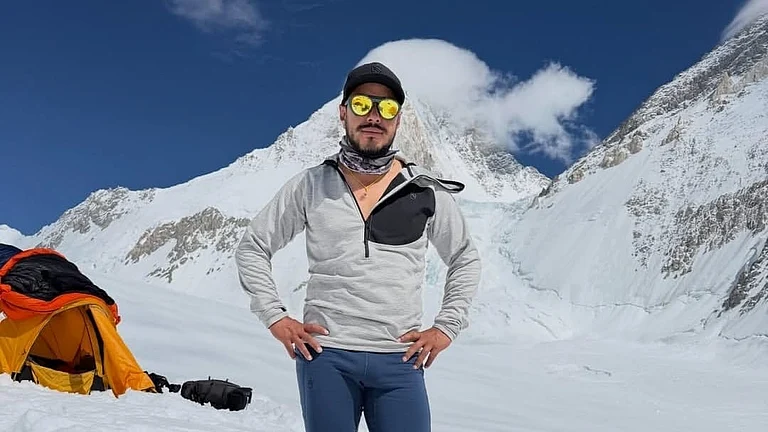
Renowned British-Nepali mountaineer Nirmal "Nimsdai" Purja was among the 10 climbers who died after a massive avalanche struck Pakistan's Broad Peak in the Karakoram range on July 30, 2026. Initially reported missing, Purja's body was recovered after several days of search operations hampered by severe weather and high-altitude conditions. The Alpine Club of Pakistan and Purja's expedition company confirmed his death after rescuers located all members of the expedition.

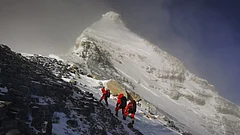
Widely regarded as one of the greatest mountaineers of his generation, Purja gained global fame for climbing all 14 of the world's 8,000-metre peaks in a record 189 days in 2019, a feat documented in the Netflix film 14 Peaks: Nothing Is Impossible. His death has been mourned across the global climbing community as one of the sport's most significant losses in recent years.
Broad Peak, the worlds 12th highest mountain, has historically been regarded as one of the more accessible 8,000-metre peaks compared to K2, but it still presents significant objective hazards. Recent incidents have reinforced concerns that these hazards are becoming increasingly difficult to predict.
How is climate change reshaping the Himalayas?
Scientists say the Himalaya-Karakoram region is warming faster than the global average. According to the International Centre for Integrated Mountain Development (ICIMOD), the Hindu Kush-Himalayan region has already warmed by approximately 0.3°C per decade in recent decades. Even if global warming is limited to 1.5°C, the region could lose up to one-third of its glacier volume by the end of the century. Under higher-emissions scenarios, glacier losses could exceed 65%.
The Intergovernmental Panel on Climate Change (IPCC) has similarly concluded that glaciers across High Mountain Asia are retreating rapidly because of rising temperatures, with profound implications for water resources, ecosystems and mountain hazards.
Why are avalanches becoming more unpredictable?
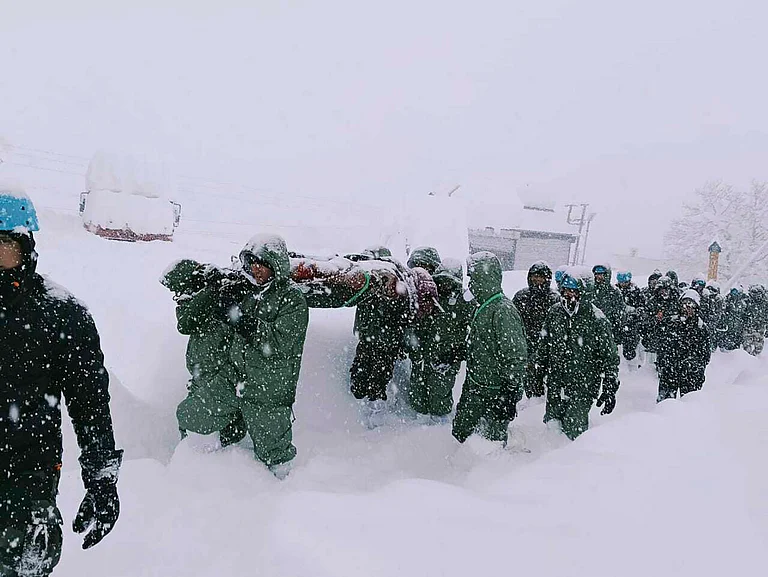
Avalanches have always been part of mountain climbing, but researchers say climate change is altering both their timing and behaviour.
Traditionally, climbers relied on relatively predictable seasonal snow conditions. Today, warmer temperatures create repeated freeze-thaw cycles, where snow melts during the day and refreezes at night. This process weakens the bonds between snow layers, making slopes more susceptible to sudden failure.
The World Meteorological Organization (WMO) has warned that warming temperatures are increasing the frequency of glacier-related hazards across mountain regions, including avalanches, glacial lake outburst floods and landslides. Together, these changes mean that historical experience alone is becoming less reliable as a guide to avalanche risk.
What role do melting glaciers and thawing permafrost play?
Many Himalayan and Karakoram peaks depend on permafrost, permanently frozen ground that acts as a natural cement binding rock faces together. As temperatures rise, this frozen ground begins to thaw.
Scientists have documented increasing numbers of rockfalls in high mountain environments where thawing permafrost has weakened previously stable cliffs. Research published in Nature Reviews Earth & Environment notes that warming-induced permafrost degradation is becoming an important driver of rockfall hazards across many alpine regions.
Glacier retreat creates additional risks. As glaciers shrink, they leave behind unstable moraines, exposed rock and expanding crevasses. Icefalls become more active because supporting ice structures weaken over time.
The IPCC has concluded with high confidence that glacier retreat is increasing the likelihood of cascading mountain hazards, including rockfalls, debris flows and glacial lake outburst floods.
Why are weather windows shrinking for climbers?
Successful Himalayan expeditions depend on short periods of relatively stable weather known as weather windows. These windows provide climbers with sufficiently low winds, limited snowfall and manageable temperatures to attempt a summit.
Climate change appears to be making these windows shorter and less predictable. Meteorologists have observed greater variability in atmospheric circulation over High Mountain Asia, making it more difficult to forecast stable climbing conditions several days in advance.
The World Meteorological Organization notes that mountain weather has become increasingly volatile as climate systems respond to global warming.
This creates logistical challenges for expeditions. Most climbers spend weeks acclimatising before waiting for a suitable weather window. If that window closes unexpectedly, they may face the difficult decision of descending without attempting the summit or taking greater risks by continuing in deteriorating conditions.
Can mountaineering adapt to a warming Himalaya?
Expedition operators are increasingly relying on high-resolution weather forecasting, satellite imagery and drone reconnaissance to monitor changing mountain conditions before summit attempts.
Route planning has also become more dynamic. Instead of following traditional climbing lines established decades ago, guides increasingly adjust routes each season to account for shifting glaciers, unstable icefalls and changing snow conditions.
However, scientists caution that technological improvements cannot eliminate the underlying effects of climate change. The International Climbing and Mountaineering Federation (UIAA) has warned that warming temperatures are fundamentally altering mountain environments, requiring climbers to reassess long-standing assumptions about risk.
The Broad Peak tragedy illustrates that mountaineering is entering a new era. The mountains remain as spectacular as ever, but they are also becoming less predictable. Climbers now face hazards shaped not only by altitude and terrain but increasingly by a warming climate that is transforming snow, ice and rock faster than previous generations experienced.