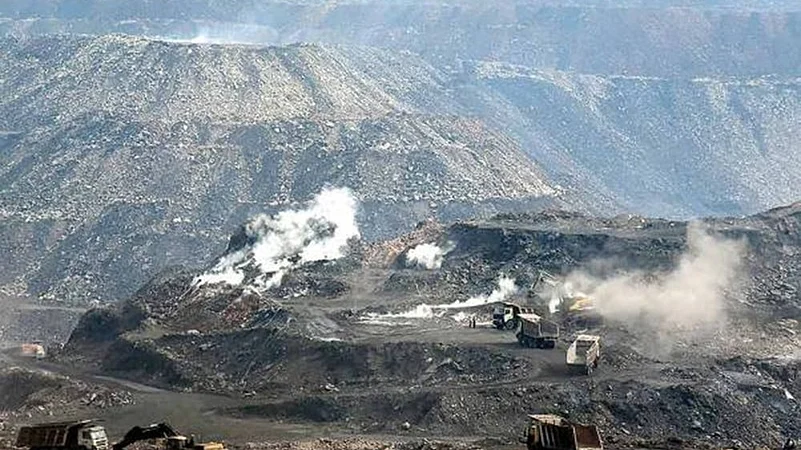
A methane gas explosion at a coal mine near Quetta has claimed at least 32 lives.
Labour groups and safety experts attribute the high number of mining accidents to poor safety standards.
Structural problems have left Pakistan's coal miners among the country's most vulnerable workers.
The deaths of at least 32 miners in a coal mine explosion near Quetta have once again drawn attention to Pakistan's chronically unsafe mining industry. The latest blast, reportedly caused by a build-up of methane gas, is far from an isolated incident. Coal mines in Pakistan—particularly in the southwestern province of Balochistan—have witnessed dozens of fatal accidents over the past decade, with explosions, tunnel collapses and toxic gas leaks claiming hundreds of lives.
Mining remains one of Pakistan's most hazardous occupations, employing thousands of workers under difficult conditions despite repeated promises of reform. Yet every major disaster follows a familiar pattern: rescue operations, government compensation announcements, demands for stricter safety standards and renewed calls for reform that rarely translate into lasting change. The latest Quetta blast has therefore revived a broader question: why do Pakistan's coal mines continue to become death traps, and what would it take to make them safer?
What caused the Quetta coal mine blast?
The latest accident occurred in a coal mine in Sorange near Quetta, where a powerful explosion trapped several miners underground. According to Pakistani authorities, preliminary investigations indicate that the blast was caused by a build-up of methane gas, a highly flammable gas commonly found in underground coal mines.


Methane explosions are among the most common causes of fatal mining accidents worldwide. When underground ventilation systems fail to remove accumulating gas, even a small spark from machinery, electrical equipment or mining tools can trigger a devastating blast. Mining experts note that effective ventilation, continuous gas monitoring and strict adherence to safety procedures are essential to preventing such accidents.
The Quetta explosion has renewed scrutiny of whether adequate safety protocols were in place before miners entered the affected tunnel.
Why are mine accidents so common in Pakistan?
Pakistan's mining sector has long struggled with weak regulatory oversight, ageing infrastructure and limited investment in worker safety.
Many coal mines continue to rely on traditional extraction methods rather than modern mechanised systems. Workers often operate in narrow underground tunnels where ventilation is poor and monitoring equipment is either inadequate or entirely absent.
According to Pakistan's Chief Inspectorate of Mines, coal mining accounts for a disproportionate share of fatal workplace accidents in the country's mining sector.
Safety experts say several factors repeatedly contribute to mining disasters. Methane accumulation, coal dust explosions, tunnel collapses, inadequate roof support, poor ventilation and insufficient emergency exits remain persistent risks across many mining regions. These hazards are compounded by limited investment in modern safety technologies and inadequate training for mine workers.

How dangerous are Balochistan's coal mines?
Balochistan is Pakistan's largest coal-producing province and has also recorded some of the country's deadliest mining disasters.
The province's coalfields stretch across districts including Quetta, Harnai, Dukki, Mach and Chamalang, employing thousands of miners, many of whom migrate from other parts of Pakistan in search of work.
According to the Pakistan Central Mines Labour Federation (PCMLF), hundreds of miners have died in accidents across Pakistan over the past decade, with Balochistan accounting for a significant proportion of fatalities.
The province also presents logistical challenges for rescue operations. Many mines are located in remote mountainous areas with limited road connectivity, making it difficult for emergency responders to reach accident sites quickly. Delays in rescue efforts often reduce the chances of survivors being recovered after tunnel collapses or explosions.
What safety failures do labour groups allege?
Mining unions and labour rights organisations argue that many fatal accidents could be prevented through better enforcement of existing safety regulations.
One of their principal concerns is inadequate ventilation. Proper ventilation systems remove methane and other toxic gases before they accumulate to dangerous levels. Labour representatives allege that some mines either operate without sufficient ventilation or fail to maintain existing systems properly.
Another recurring concern is the absence of modern gas detection equipment. Continuous methane monitoring is considered standard practice in many advanced mining industries, allowing operators to evacuate workers before gas concentrations reach explosive levels.
Workers have further complained about insufficient protective equipment, irregular safety training and pressure to continue mining despite hazardous conditions. Rights organisations argue that contract workers and migrant labourers are often particularly vulnerable because they have limited bargaining power and may hesitate to report unsafe conditions for fear of losing their jobs.
Why has reform remained elusive?
Successive Pakistani governments have announced investigations and promised reforms after major mining disasters, yet many structural problems persist.
One challenge is fragmented regulation. Responsibility for mine safety is shared among provincial governments, mining departments, labour authorities and private mine operators, making enforcement uneven.
Economic pressures also play a role. Coal remains an important source of employment and energy in several regions. Smaller mine operators often argue that complying with modern international safety standards would significantly increase operating costs.
Labour organisations counter that the long-term human and economic costs of repeated disasters far outweigh the investment needed for improved safety.
International organisations such as the International Labour Organization (ILO) have consistently emphasised that effective occupational safety systems require not only comprehensive regulations but also regular inspections, worker participation and meaningful enforcement.
What happens after every mining disaster?
The aftermath of a mining disaster in Pakistan has become painfully familiar.
Rescue teams begin searching for trapped miners while local authorities establish emergency control centres. Provincial governments typically announce compensation for the families of those killed or injured, and senior officials order investigations into the causes of the accident.
Mining unions demand criminal action against negligent operators, stricter enforcement of safety regulations and improved working conditions. Political leaders often promise comprehensive reforms to prevent similar tragedies.
But meaningful structural change rarely follows. Inquiry reports are not always made public, recommendations are implemented inconsistently and many mines continue operating with similar safety deficiencies.
Until those structural issues are addressed, Pakistan's coal miners are likely to remain among the country's most vulnerable workers, entering mines each day knowing that inadequate safety measures could turn another shift underground into yet another preventable tragedy.