Lok Sabha passes the Public Examinations (Prevention of Unfair Means) Amendment Bill, 2026 by voice vote on July 29.
Bill enhances jail terms to 5–10 years and fines up to ₹50 lakh for individuals; organised crime attracts minimum 7 years and higher fines.
Provisions include special fast-track courts, two-month investigation deadline and special public prosecutors.
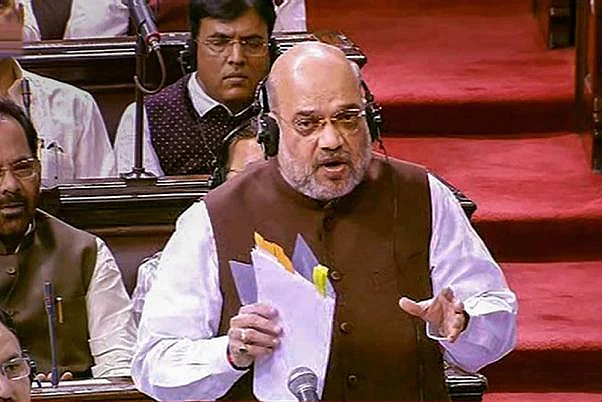
The Lok Sabha on Wednesday passed the Public Examinations (Prevention of Unfair Means) Amendment Bill, 2026, strengthening India’s legal framework against paper leaks and examination malpractices. The Bill was cleared by a voice vote amid continued Opposition protests.
The legislation amends the Public Examinations (Prevention of Unfair Means) Act, 2024, and introduces significantly harsher penalties. Individuals found guilty of using unfair means, including paper leaks, will now face imprisonment of five to ten years (up from three to five years) and a fine of up to ₹50 lakh (up from ₹10 lakh). For organised examination fraud, the minimum jail term rises to seven years with substantially higher financial penalties. Service providers involved in such offences face increased fines and longer periods of debarment.
Key procedural reforms include the establishment of Special Fast-Track Courts in every state and Union Territory for exclusive trial of these cases, a mandatory two-month deadline for completing investigations, and a three-month timeline for trials after the chargesheet is filed. The Bill also provides for Special Public Prosecutors and a streamlined appellate mechanism to ensure speedy justice.
Government leaders welcomed the passage. In a statement reflecting the ruling dispensation’s position, it was said: “Congratulations to every student in India on the passage of the Public Examinations (Prevention of Unfair Means) Amendment Bill, 2026 in Lok Sabha today. The bill shields the dreams and aspirations of our youth by laying down iron-clad provisions imposing the harshest punishment on those who dare to breach the sanctity of public examinations. The Modi govt will spare no one who attempts to imperil the future of our students and will leave no stone unturned to ensure that they face the full wrath of the law.”



Union Minister Dr Jitendra Singh, who piloted the Bill, had earlier emphasised that the amendments were brought in an “honest spirit” to protect the integrity of public examinations conducted by bodies such as the UPSC, SSC, NTA, Railway Recruitment Boards and others. Defence Minister Rajnath Singh also congratulated the House, describing the legislation as a significant step towards strengthening the examination system.
The Bill comes against the backdrop of nationwide student protests over the NEET-UG paper leak and other alleged irregularities, which had led to political turmoil and the resignation of the previous Education Minister. The government has positioned the amended law as a direct response to students’ demands for stronger safeguards and faster accountability.
The legislation will now move to the Rajya Sabha. Once passed by both Houses and assented to by the President, it will become law, providing a more stringent deterrent against those who compromise the fairness of competitive examinations that determine the careers of millions of young Indians.