Iran seeks permanent control over the Strait of Hormuz and transit fees.
Tehran links broader US-Iran talks to recognition of Hormuz authority.
Dispute over shipping rights threatens the fragile ceasefire agreement.
Iran is determined to secure lasting international recognition of its control over the Strait of Hormuz, including the right to levy fees on ships transiting the waterway, and is prepared to enforce those demands by force if necessary, two senior Iranian sources told Reuters.
Under the interim agreement reached with the United States on June 17 to end their three month conflict, Iran agreed to allow ships free passage through the Strait for 60 days. Tehran, however, believes the wording of the deal permits it to retain authority over which vessels may pass and what route they take. Iranian negotiators are said to be unwilling to move on to other disputed areas in ongoing peace talks with Washington until permanent control of the Strait is formally recognised.
Should the interim deal expire without extension, Iran would resume charging ships for passage from mid-August onwards, though it has not outlined what fees it would impose or how they would be collected. Before the war, passage through the Strait, which carried roughly a fifth of global energy supplies, had never been subject to fees.
The position puts Tehran directly at odds with Washington. President Donald Trump said last week that no tolls would be charged unless the US decided to impose them itself, while Secretary of State Marco Rubio told Gulf states that no country had the right to block shipping or impose fees on an international waterway. Iran shot at four vessels over the weekend that attempted to traverse the Strait on the Omani side without seeking Iranian clearance, triggering a brief exchange of fire with US forces.



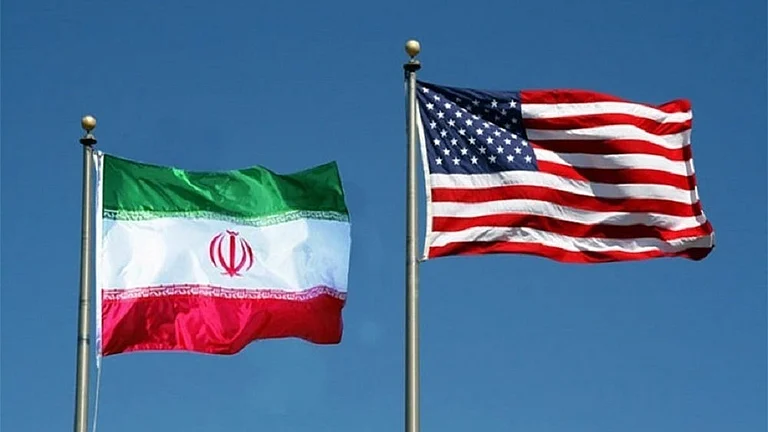
Historic opportunity!
A senior Iranian official told the news agency Tehran would not allow a return to the pre war status quo and believed the country had a historic opportunity following its survival of the conflict with the US and Israel to lock in a long term strategic advantage. Iran expected shipping nations and ultimately Washington to accept its management of the Strait, given the mounting costs of the dispute.
Separately, Iran said on Tuesday it would not meet with senior US envoys Jared Kushner and Steve Witkoff, who had travelled to Doha for what the White House described as high level talks. Iran said lower level technical discussions remained on the table, but insisted the ceasefire terms from the 17 June agreement needed to be resolved before any broader negotiations on issues such as its nuclear programme could begin.
Ali Ansari, professor of modern history at St Andrews University, cautioned that Iran may be overreaching. "The prospect of this conflict reigniting is much higher than people think because neither side thinks they've lost," he said.