
As cold waves tighten their grip across the country, emergency departments in hospitals are reporting a steady influx of patients with sudden breathlessness, chest pain, stroke-like symptoms, worsening heart failure, and severe respiratory infections.
Explaining the seasonal spike in serious emergencies, Dr. Vijay Kumar Agrawal, Pulmonologist and Critical Care Specialist at Yatharth Hospital, Faridabad, says, “Winter is not just about illnesses like cold and cough. For physicians, winter represents a period of intense physiological stress. Cold weather triggers sympathetic activation, vascular instability, airway hyperreactivity, increased clotting tendency and a rise in infections. Together, these factors can precipitate serious events like Chronic Obstructive Pulmonary Disease (COPD) exacerbations, heart attacks and strokes.”
Poorly insulated and inadequate ventilation, coupled with high air pollution, are added environmental stressors pushing vulnerable individuals toward medical emergencies.
On how cold weather stresses the body, Dr. Agrawal explains that the human body responds to cold by activating mechanisms to preserve core temperature. Blood vessels in the skin constrict to reduce heat loss, and shivering generates warmth. While these responses are protective, they come at a cost.
“Cold exposure causes peripheral vasoconstriction, increased catecholamine release and a rise in blood pressure. This effect is particularly pronounced in older adults and those with hypertension.”
Winter does not only raise blood pressure—it also increases fluctuations in blood pressure. This variability places stress on blood vessels and can destabilise atherosclerotic plaques, increasing the risk of heart attacks and strokes. In effect, winter acts like a population-wide stress test, exposing those with limited physiological reserves.


During winters, there is always a risk of blood clots, he warns as he explains, “Cold weather also shifts the body toward a prothrombotic, or clot-forming, state. People tend to drink less water in winter because they feel less thirsty, leading to mild dehydration. Physical activity drops, especially among older adults. These behavioural changes, combined with cold stress, inflammation from infections and pollution exposure, increase blood viscosity and platelet activity.”
When narrowed blood vessels combine with thicker blood, the risk of clot formation rises sharply, Dr. Agrawal warns. “This is why winter sees more cases of myocardial infarction and ischemic stroke.”
Patients with atrial fibrillation are particularly vulnerable. Missed doses of anticoagulants due to illness, travel, or poor intake can result in devastating strokes—many of which are preventable with consistent medication adherence.
What about the health status of lungs during winter? Dr. Agrawal tells The Health Outlook that the respiratory system is among the hardest hit during winter. Cold, dry air irritates the airways, increasing resistance and triggering bronchospasm—even in people without asthma. For patients with chronic lung diseases, the effects are more severe.
He further explains that cold air dries airway secretions, impairs mucociliary clearance, and promotes mucus retention. “This creates ideal conditions for infection and airflow obstruction. At the same time, people spend more time indoors, increasing crowding and viral transmission, while temperature inversions trap pollutants close to the ground. The result is a sharp rise in respiratory infections and disease flare-ups, particularly in patients with COPD, asthma, bronchiectasis and interstitial lung disease.”
Also, acute exacerbations of COPD are one of the most common reasons for winter hospital admissions. Cold air increases airway resistance, thick secretions impair gas exchange, and infections frequently trigger rapid deterioration.
“Winter COPD exacerbations often present late and tend to be more severe,” warns Dr. Agrawal. “By the time patients reach hospital, many already have significant hypoxemia or carbon dioxide retention.”
Doctors commonly see several patterns: bronchospasm-dominant exacerbations due to poor inhaler adherence; infective exacerbations with fever and purulent sputum; hypercapnic episodes with confusion and drowsiness; and mixed cases where COPD overlaps with heart failure or pneumonia, says Dr. Agrawal.
Dr. Agrawal stresses that many admissions can be prevented through pre-winter optimisation—ensuring correct inhaler use, vaccination, pollution avoidance, and a clear action plan that encourages early medical consultation rather than waiting for symptoms to spiral.
Heart attacks and sudden cardiac deaths also show a clear seasonal peak in winter. Cold increases heart rate, blood pressure, and myocardial oxygen demand, while vasoconstriction reduces coronary blood flow in patients with narrowed arteries.
“Infections and pollution add an inflammatory load that can destabilise plaques,” Dr. Agrawal cautions. “Combine this with a prothrombotic state, and the risk of coronary thrombosis rises.”
Another challenge is delayed presentation. “Many patients dismiss chest discomfort as indigestion or muscle pain. Older adults, women and people with diabetes or kidney disease often present with atypical symptoms such as breathlessness, fatigue or confusion.”
Winter preparedness includes reinforcing adherence to cardioprotective drugs, avoiding sudden exertion in cold air, and seeking early evaluation for unexplained symptoms.
Stroke incidence also increases during winter, driven largely by elevated and unstable blood pressure, clotting tendency, and infection-related inflammation. Ischemic strokes result from vessel occlusion, while hemorrhagic strokes are linked to uncontrolled hypertension.
Clinicians also worry about missed warning signs. Posterior circulation strokes—causing vertigo, imbalance, double vision, or slurred speech—are often mistaken for general weakness or seasonal illness.
“For stroke, time is everything,” Dr. Agrawal emphasises. “Delays during winter can turn a treatable event into permanent disability.”
Strict blood pressure control, uninterrupted anticoagulation in atrial fibrillation, and rapid hospital access remain critical.
Winter places extra strain on patients with heart failure. Vasoconstriction increases afterload, infections raise metabolic demand, and reduced physical activity lowers reserve. Many patients consume more salt and reduce diuretic use for convenience, worsening fluid retention.
Symptoms such as breathlessness, orthopnoea, swelling, and cough can mimic lung disease, leading to delayed diagnosis. Mixed presentations—heart failure with COPD or pneumonia—are common and require careful evaluation.
At the same time, pneumonia remains yet another major cause of winter mortality, particularly among the elderly and those with chronic illnesses. Viral infections spread easily indoors and can quickly progress to bacterial pneumonia.
Red flags include rapid breathing, low oxygen levels, chest pain, confusion, poor intake, and low blood pressure. Early treatment can prevent respiratory failure and sepsis, says the doctor.
Extreme cold brings additional hazards. Hypothermia in the elderly may present subtly with confusion and lethargy. Carbon monoxide poisoning from poorly ventilated heaters can mimic viral illness, causing headache, dizziness, and drowsiness—especially when multiple family members are affected.
“The strongest response to winter illness is prevention, not reaction,” says Dr. Agrawal.
Pre-winter clinics can review medications, update vaccines, correct inhaler technique, and create clear action plans. Practical advice—layered clothing, safe heating, adequate hydration, avoiding early morning exertion, and ensuring ventilation—makes a real difference.
Home monitoring of symptoms, oxygen levels, and weight can catch deterioration early.
Sudden chest pain, new breathlessness, stroke symptoms, worsening COPD, confusion in the elderly, or suspected carbon monoxide exposure require immediate medical attention. Cold weather increases both medical risk and delays in care—overcoming that delay saves lives, asserts Dr. Agrawal.
In a nutshell, he says, practical measures like layered clothing, safe heating, adequate hydration, avoiding early morning exertion, ensuring ventilation, and timely vaccination can reduce hospitalisations and deaths.
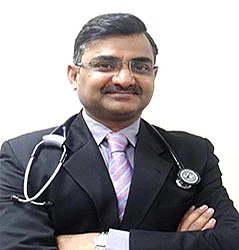
Dr. Vijay Kumar Agrawal, Pulmonologist and Critical Care Specialist at Yatharth Hospital, Faridabad