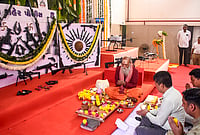
Gudi Padwa is a vibrant and meaningful festival that marks the beginning of the Hindu New Year in Maharashtra. Celebrated with great enthusiasm, it represents new beginnings, prosperity, and positivity. The festival brings families together and fills homes with colour, devotion, and festive joy.
Gudi Padwa 2026 Date and Auspicious Timings
In 2026, Gudi Padwa will be celebrated on Thursday, March 19. The festival falls on Chaitra Shukla Pratipada, marking the beginning of the Parabhava Nama Samvatsara (the name of the New Year 2026-27).
Auspicious Muhurat for Gudi Hoisting:
Pratipada Tithi Begins: 06:52 AM on March 19.
Best Puja Time: The Gudi should be hoisted soon after sunrise, ideally between 07:00 AM and 10:30 AM, to invite maximum positivity into the home.
The Gudi: A Symbol of Prosperity
The most important element of the festival is the Gudi itself. It consists of a bamboo stick decorated with a bright silk cloth (often a saree piece), neem leaves, and a garland of Gathi (sugar crystals). An inverted copper or silver pot is placed on top to complete the structure.
The Gudi is hoisted at the entrance of homes, balconies, or windows, facing outward. It is believed to bring good luck, success, and protection to the household. Seeing the colourful Gudis fluttering across neighbourhoods creates a festive and uplifting atmosphere.
Meaning of Gudi Padwa
The word “Gudi” refers to a decorated flag or banner that is traditionally hoisted outside homes, while “Padwa” means the first day of the lunar cycle. Together, Gudi Padwa marks the beginning of the New Year and stands for victory, success, and happiness.
The festival reflects the belief that life, like the coming year, will have both challenges and opportunities, and one must welcome it with courage and optimism.
Significance of Gudi Padwa
Gudi Padwa holds deep religious, cultural, and historical significance. According to Hindu belief, Lord Brahma, the creator of the universe, began the creation of the world on this day. Hence, it is seen as the start of time and cosmic order.
Another popular belief associates Gudi Padwa with Lord Rama’s return to Ayodhya after defeating Ravana. The hoisting of the Gudi is seen as a symbol of victory of good over evil.
Historically, the festival is also linked to the Maratha empire, where the Gudi represented a victory flag raised after successful battles. For many, it symbolises courage, pride, and cultural heritage. Overall, Gudi Padwa reminds people to embrace life with hope, strength, and faith.
The Gudi: A Symbol of Prosperity
The most important element of the festival is the Gudi itself. It consists of a bamboo stick decorated with a bright silk cloth, neem leaves, mango leaves, flowers, and sugar crystals. An inverted copper or silver pot is placed on top.
The Gudi is hoisted at the entrance of homes, balconies, or windows, facing outward. It is believed to bring good luck, success, protection, and prosperity to the household and to keep negative energies away.
Seeing Gudis fluttering across neighbourhoods creates a festive and uplifting atmosphere.
The Significance of Sade Teen Muhurat
Gudi Padwa is considered one of the Sade Teen Muhurats (three and a half most auspicious days) in the Hindu calendar. This means that every moment of the day is lucky, and one does not need to consult a priest to start a new venture.
It is a popular day for buying gold, purchasing a new vehicle, or booking a new home. For many families, making a significant purchase on Gudi Padwa is a way to ensure that the new item brings long-lasting prosperity.
Rituals and Traditions
Gudi Padwa celebrations begin early in the morning.
Ritual Bath and Cleanliness - People wake up early and take a ritual bath, often applying oil before bathing. Homes are thoroughly cleaned as a sign of purification and preparation for the New Year.
Decorations - Entrances are decorated with colourful rangolis, flower garlands, and mango leaf torans. These decorations are believed to welcome positive energy and happiness.
Hoisting the Gudi
After cleaning and decoration, families hoist the Gudi and perform prayers, seeking blessings for health, wealth, and peace in the coming year.
Panchang Reading - In some households, elders read the Hindu almanac to understand the predictions for the New Year. Family members exchange greetings, visit relatives, and seek blessings from elders.
Neem and Jaggery Tradition - A special mixture of neem leaves and jaggery is consumed on this day. The bitterness of neem and the sweetness of jaggery symbolise life’s ups and downs, teaching people to accept both with balance and grace.
Gudi Padwa Across India
While Gudi Padwa is mainly celebrated in Maharashtra, similar New Year festivals are observed in other parts of India. Ugadi is celebrated in Karnataka, Andhra Pradesh, and Telangana, while Kashmiri Hindus observe Navreh. Though the customs differ, the spirit of welcoming a new year with hope remains the same.
Conclusion
Gudi Padwa is more than just a festival; it is a celebration of renewal, tradition, and positive thinking. As people raise the Gudi, prepare festive meals, and spend time with loved ones, they welcome the New Year with gratitude and optimism.
Gudi Padwa 2026 reminds everyone to move forward with confidence, accept life’s experiences, and embrace new beginnings with a hopeful heart.
Frequently Asked Questions (FAQs)
Q: What is the name of the Marathi New Year 2026?
A: The Marathi New Year 2026-2027 is named the Parabhava Nama Samvatsara, which signifies a year of transformation and new energy.
Q: Is Gudi Padwa a good day to buy gold?
A: Yes, Gudi Padwa is one of the Sade Teen Muhurats, making the entire day highly auspicious for buying gold, silver, or property without looking for a specific time.
Q: What is the significance of eating Neem and Jaggery on Gudi Padwa?
A: The mixture of bitter Neem and sweet Jaggery symbolizes the acceptance of life's joys and sorrows with equal grace. It is also an immunity booster for the changing season.