Indian cinema is finally naming caste openly, moving from symbolic gestures to direct, uncompromising narratives.
Films like Homebound, Article 17, Fandry, Sairat, and Pariyerum Perumal reflect a broader shift driven largely by regional industries.
The growing visibility of caste on screen challenges audiences more than filmmakers, exposing gaps between applause, accountability and real social introspection.
As caste becomes speakable on screen, the question is no longer whether cinema should name it, but whether society is ready to absorb what it reveals. For much of its cinematic life, India perfected a peculiar silence, caste was everywhere and nowhere at once. It structured the love stories that ended in loss, the families that disapproved, the violence justified in the name of “tradition,” and the dreams that came with walls built into them. Yet the word itself rarely crossed the lips of characters. It was as though naming caste would make it real, and avoiding it would make it disappear.
A film like Neeraj Ghaywan’s Homebound enters this silence differently, not as a sermon, not with cinematic fireworks, but with a patient, unsettling clarity. Set against the pandemic, the film does not use lockdown as metaphor alone. It follows two young men, one negotiating caste shame, the other religious suspicion and shows that survival is not merely about food and wages but dignity and belonging. It reminds us that identity is not suspended during crisis; it is intensified by it. Homebound received a remarkable nine-minute standing ovation at its premiere and went on to secure India’s official entry to the 2026 Academy Awards. At home, its theatrical run was modest. There is a lesson in this contrast. We applaud honesty, but often from afar. A difficult story is easier to admire when it travels, harder to confront when it returns home bearing a mirror.



To say Hindi cinema never touched caste would be inaccurate; it did so in ways that softened the edges. Stories framed themselves through benevolence, the upper-caste saviour, the grateful beneficiary, narratives that left hierarchy intact while offering uplift as charity. The lens rarely shifted. In recent years, however, films have begun speaking with a franker vocabulary. Article 17 placed caste not as metaphor but as headline, controversial, imperfect, but unignorable. Masaan dealt with grief without erasing the social histories that shape it. In Geeli Pucchi, caste, labour, and sexuality intertwine in ways that refuse sanitisation. Jhund looked at talent not as a miracle emerging from unlikely places but as something the nation systematically overlooks when it arrives without privilege.

Even lighter narratives like Laapataa Ladies acknowledge caste without turning away from its implications. In the mainstream, sometimes the most radical shift is not provocation, it is the refusal to pretend ignorance. Before the Hindi mainstream found its vocabulary, regional cinemas had long articulated theirs. Marathi cinema, through works like Fandry and Sairat, confronted humiliation and honour killings with unflinching detail. These films made clear that modernity does not dissolve caste; it often conceals it. Tamil cinema has been a major force in redefining representation. Pariyerum Perumal observes discrimination not as spectacle but as routine. Karnan roots resistance in cultural memory and folklore. Sarpatta Parambarai links caste to invisibility in sport, who belongs in the ring and who belongs in the stands.
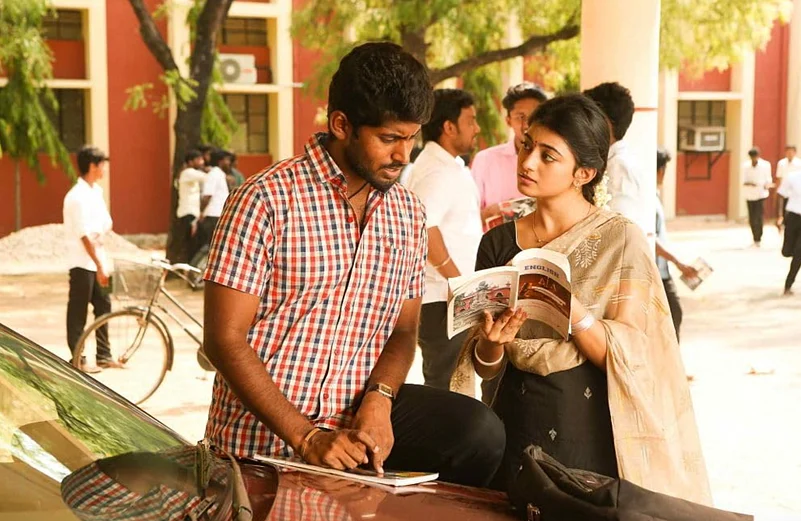
In Malayalam cinema, Kammatipaadam interrogates land, capital, and the violence of urban expansion. Pada questions state benevolence and the limits of protest. These films place caste not as an isolated issue but as a lens through which power is understood. This cinematic groundwork is not accidental. It represents decades of filmmakers refusing to reduce caste to background. Their work made the recent shift possible; it created the space for Bollywood to arrive late, but arrive nonetheless.
When Cinema Speaks and the Audience Looks Away
A meditation on caste in cinema cannot remain confined to the screen; it must consider the viewer. Audiences have long categorised films about caste as serious, necessary, and quietly avoidable. We praise them in conversation, assign them cultural value, and then choose entertainment that demands nothing of us. The discomfort they evoke is not only about their content; it is about implication. The challenge is not simply producing films that speak, it is cultivating audiences who listen without defensiveness. Compassion at a distance is easy, confrontation at home is harder. The reception of films like Homebound reflects this friction. We celebrate their selection for festivals and awards, symbols of national pride but we hesitate to engage with the introspection they demand. Applause is external. Reflection is internal.
Representation alone is not justice. There is a risk that caste becomes a cinematic trend, prestigious, profitable, or fashionable, without structural change behind the scenes. Visibility on screen does not guarantee equity in writing rooms, casting decisions, or production hierarchies. Cinema cannot dismantle caste, and films cannot be burdened with repairing society. But they can expose the fault lines that polite culture tries to pave over. They can strip the luxury of pretending not to know. They can interrupt silence. The screen is not the revolution. It is the rehearsal, the space where society practises its responses before history demands them for real.
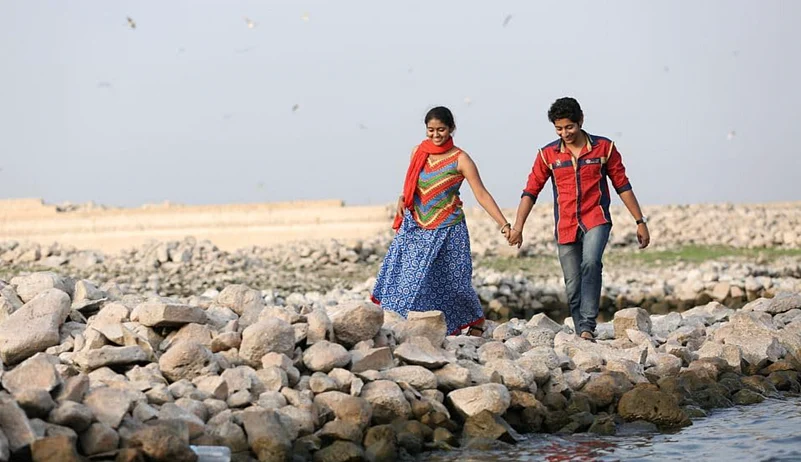
The most significant change is not that cinema now depicts caste, it always did, indirectly. The change is that films no longer deny the reason for the wound. The unspeakable has become spoken. The silence has cracked, even if unevenly. We are in a transitional moment. Cinema is speaking more directly; society is reacting more visibly; discomfort sits closer to the surface. The question is not whether films will continue addressing caste, creativity often outruns caution, but whether society will allow those stories to be absorbed, debated, and remembered rather than merely applauded and archived.
Homebound and the films that surround it are not endpoints; they are openings. Naming caste does not solve it, but refusing to name it guarantees its persistence. Cinema will not carry this burden alone, but it has refused to remain a participant in silence. The screen has begun to speak. The rest is up to us.
Dr Zahoor Ahmad Mir is an Assistant Professor of Political Science at Social Science Department, Akal University. He can be mailed at mirzahoor81.mz@gmail.com.
Beenish Sultan is a 12th Class student from Ganderbal District of Jammu and Kashmir.