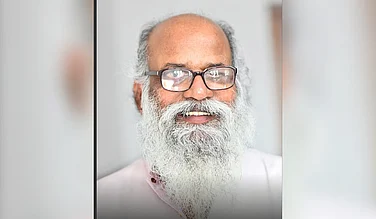
Former Union Law Minister Ashwani Kumar hails Supreme Court’s posthumous clean chit to Manmohan Singh in the coal block case.
Kumar says the media trial and prolonged prosecutorial process caused irreversible damage to Singh’s reputation.
Calls for reforms to reinforce presumption of innocence and curb media trials that undermine dignity and privacy.
Senior advocate and former Union Law Minister Ashwani Kumar on Thursday (July 30, 2026) said the Supreme Court’s “decisive and merited vindication” of former Prime Minister Manmohan Singh in an “utterly untenable” criminal prosecution should prompt a wider reckoning with India’s criminal justice system.
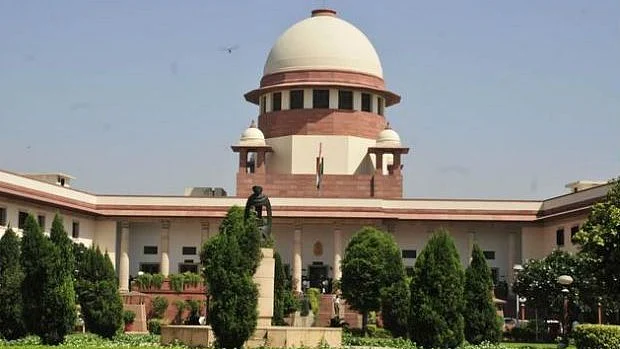
The Supreme Court on July 29 accepted the CBI’s closure reports and set aside a 2015 special court order that had summoned Singh as an accused in the Talabira-II coal block allocation case. Singh, who passed away in December 2024, received a posthumous clean chit more than a decade after the controversial summoning order.
Calling the apex court’s order a “vindication of truth,” Kumar said the case highlighted the dangers of a system in which the process of prosecution itself becomes the punishment, especially when allegations are amplified through media trials. “The media trial of Prime Minister Manmohan Singh, known for his impeccable integrity, during his lifetime had caused incalculable damage to his reputation and dignity, for which there can be no recompense whatsoever,” he said.
Kumar described it as particularly tragic that Singh did not live to see his name cleared, calling it a “sad commentary” on a system in which a person can be condemned before a conclusive finding of guilt without meaningful recourse against unjust allegations. The prosecutorial process, he noted, itself amounted to punishment, the “stark cruelty” of which has now become apparent after the Supreme Court’s exoneration.


He urged that the verdict should trigger reforms to reinforce the presumption of innocence and effectively curb media trials that threaten the fundamental rights to reputation, privacy and dignity under Article 21 of the Constitution. “The political, legislative and judicial processes must converge” to give effect to this constitutional guarantee, Kumar said, adding that only then would the court’s order serve its “larger constitutional purpose.”
The comments come a day after the Supreme Court closed the long-pending criminal proceedings against the late former Prime Minister, accepting the CBI’s finding that there was no sufficient material to prosecute him. Kumar’s intervention underscores broader concerns about the misuse of criminal processes, prolonged litigation, and the impact of media trials on public figures and ordinary citizens alike.