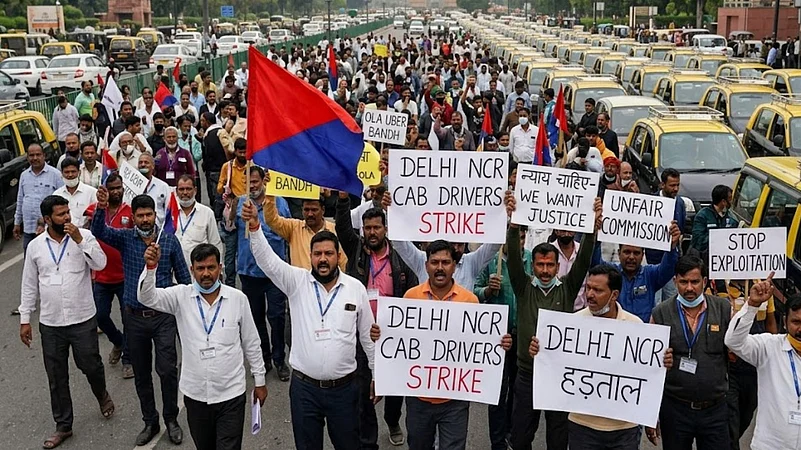
On Friday, the simmering financial anxiety of thousands of commercial drivers spilled over onto the streets as a 72-hour strike entered its second day, turning a policy dispute into a stark narrative of survival.
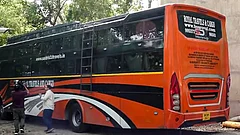
The protest brings together a fragmented workforce—from truck operators and private bus owners to the ubiquitous app-based cab and maxi-cab drivers.
Drivers point out that while the cost of domestic upkeep, vehicle maintenance, and fuel—particularly CNG—has skyrocketed, their earnings have retrogressed.
For nearly a decade, the digital fare meters and ride-hailing apps navigating the chaotic arteries of the National Capital Region have remained stubbornly frozen in time. But outside the climate-controlled bubbles of the cabs, the world has grown punishingly expensive. On Friday, the simmering financial anxiety of thousands of commercial drivers spilled over onto the streets as a 72-hour strike entered its second day, turning a policy dispute into a stark narrative of survival.
Led by coalitions like the All India Motor Transport Congress (AIMTC) and the Chalak Shakti Union, the protest brings together a fragmented workforce—from truck operators and private bus owners to the ubiquitous app-based cab and maxi-cab drivers. Their demands are clear: an immediate upward revision of base fares and the introduction of a protective fuel surcharge. In a city where petrol has climbed to Rs 98.64 per litre and diesel closely follows at Rs 91.58, the math of driving for a living simply no longer adds up.
Behind the steering wheels are individuals buckling under the weight of compounding liabilities. Drivers point out that while the cost of domestic upkeep, vehicle maintenance, and fuel—particularly CNG—has skyrocketed, their earnings have retrogressed. What used to be a viable profession has morphed into an exhausting race against debt, where a fourteen-hour workday barely covers the daily fuel bill and the steep commissions pocketed by tech aggregators.



Yet, the strike highlights a deeper, more systemic isolation. Beyond the immediate call for a fare hike, the unions are desperately seeking a seat at the table with the Delhi government. They are demanding structured regulatory frameworks for app-based transport services and policy interventions that treat drivers not as disposable cogs in the gig economy, but as essential workers.
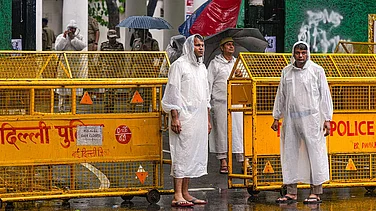
For now, the capital’s central transit hubs, like the New Delhi Railway Station, have witnessed only minor disruptions, with many auto-rickshaws and independent cabs choosing to ply to make ends meet. But the quiet on the streets is deceptive. As the strike heads into its final scheduled day on Saturday, the transport unions have issued a grim warning: if the state continues to ignore the financial bleeding of its drivers, this localized protest could easily intensify into a much larger, city-wide standstill.